
Natural fertilizers are the best choice for growing healthy, delicious vegetables sustainably. Learn which types work best for each vegetable and how to apply them correctly for abundant harvests.
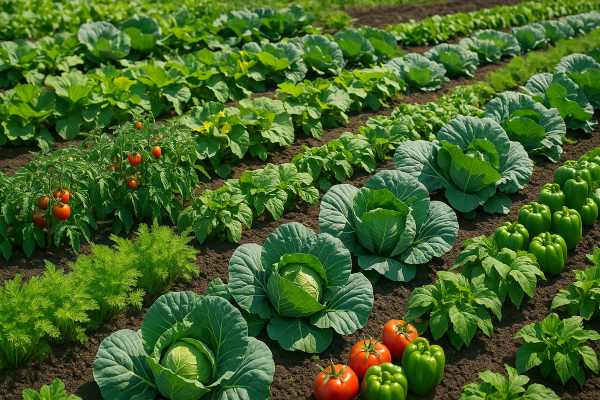
Natural Vegetable Fertilizer: Types, Benefits and How to Use It Correctly
If you want healthy, delicious vegetables grown sustainably, choosing a natural fertilizer is the best decision you can make for your garden. Proper soil fertilization helps plants grow vigorously, produce healthy flowers and fruits, and become more resistant to pests and diseases.
In this article, I’ll present the main types of natural fertilizers for vegetables, the benefits of each, how and when to apply them, and what mistakes to avoid for a successful harvest.
Why Choose Natural Fertilizer for Vegetables?
Natural fertilizers, also known as organic fertilizers, are obtained from natural sources (plant, animal, or mineral waste) and provide essential nutrients to plants in a slow and balanced manner. Their advantages are:
- Improve soil structure and stimulate the life of beneficial microorganisms in the soil.
- Avoid overloading with chemicals, preserving ecosystem balance.
- Contribute to better vegetable taste and healthy growth, without toxic residues.
- Support soil fertility in the long term.
Types of Natural Fertilizers for Vegetables
1. Compost
Compost is the “gardener’s gold”. Obtained from plant waste (leaves, vegetable peels, cut grass) and kitchen organic waste, compost provides a balanced supply of nutrients and improves soil texture.
How to use it:
It can be incorporated directly into the soil before planting, or added at the base of plants throughout the season.
2. Well-Rotted Manure
Well-rotted manure is a mature compost, obtained especially from fully decomposed farmyard manure. It is rich in nutrients and perfect for all types of vegetables.
How to use it:
Apply in autumn or spring, in a thin layer, mixed with topsoil.
3. Farmyard Manure
Coming from cows, sheep, horses, or chickens, farmyard manure is an excellent fertilizer. Be careful, though: it should only be used after it has been well fermented, otherwise it can burn plant roots.
How to use it:
Applied in autumn, left to decompose in the soil until spring. In the case of chicken manure, which is very concentrated, it must be diluted or well fermented.
4. Nettle Macerate
A true “energizer” for plants, nettle macerate is rich in nitrogen and strengthens plants against pests.
How to prepare it:
- 1 kg fresh nettles in 10 liters of water;
- Let ferment for 10-14 days;
- Strain and dilute 1:10 before application.
How to use it:
Water at the root or spray on leaves.
5. Wood Ash
Wood ash, obtained from burning untreated wood, is rich in potassium and calcium, essential for fruit formation.
How to use it:
Sprinkle at the base of plants or mix lightly with the soil. Be careful not to overdo it, especially in alkaline soils.
6. Coffee Grounds
Coffee grounds are a good source of nitrogen, ideal for plants that love slightly acidic soil.
How to use it:
It can be mixed directly into the soil or added to compost.
Which Natural Fertilizer to Choose for Each Type of Vegetable?
Each plant has different nutrient needs to develop harmoniously. Some vegetables prefer nitrogen-rich soils for healthy leaves, while others need more potassium or phosphorus to develop strong roots or tasty fruits.
Here’s which type of natural fertilizer works best for the most commonly grown vegetables in your garden:
| Vegetable | Recommended Fertilizer | Why? |
|---|---|---|
| Potatoes | Well-rotted manure, compost, wood ash | Need potassium for healthy tubers and calcium to prevent disease. |
| Cucumbers | Nettle macerate, compost, well-fermented farmyard manure | Prefer nitrogen-rich soil initially, then potassium for abundant fruiting. |
| Peppers | Well-rotted manure, nettle macerate, compost | Need nitrogen initially, then potassium for well-developed fruits. |
| Eggplants | Well-fermented farmyard manure, nettle macerate, compost | Nitrogen for vegetative growth and potassium for fruiting. |
| Cabbage | Well-rotted manure, farmyard manure, compost | Heavy nutrient consumer, prefers rich and well-fertilized soil. |
| Tomatoes | Well-rotted manure, wood ash (for potassium), nettle macerate | Balance between nitrogen and potassium for good flowering and fruiting. |
| Carrots | Well-matured compost, wood ash | Avoid too much nitrogen (leads to many leaves and deformed roots), need phosphorus and potassium. |
| Lettuce | Fermented farmyard manure, compost, diluted nettle macerate | Requires nitrogen for abundant and healthy leaves. |
| Onions and Garlic | Compost, wood ash | Phosphorus and potassium for bulb development, avoid excess nitrogen. |
| Beans and Peas | Compost, well-rotted manure | These legumes get nitrogen from the air, need phosphorus and potassium. |
Additional tips:
- For plants with edible roots (carrots, beets, onions), avoid excessive nitrogen fertilization, which favors leaf growth at the expense of roots.
- For plants with edible fruits (tomatoes, peppers, eggplants), start fertilization with nitrogen in the vegetative growth phase and continue with potassium in the flowering and fruiting phase.
- For plants with edible leaves (lettuce, cabbage, spinach), nitrogen is essential for obtaining large and green leaves.
How to Apply Natural Fertilizers Correctly
- Respect optimal fertilization periods: autumn for slow-release fertilizers (farmyard manure, well-rotted manure, compost), spring and summer for liquid fertilizers (nettle macerate, compost tea).
- Don’t overdo the quantities! Even natural fertilizers can suffocate plants if applied in excess.
- Apply solid fertilizers in thin layers and incorporate them gently into the soil.
- In the case of macerates, use them diluted and avoid watering leaves on hot days, to prevent burns.
Common Mistakes to Avoid
- Using fresh farmyard manure, which can burn roots.
- Excessive fertilization, which leads to abundant leaf growth but few fruits.
- Applying macerates without dilution.
- Ignoring soil pH: some fertilizers (e.g. ash) can raise pH too much.
- Not using well-decomposed compost, which can attract pests.
Conclusion
Using natural fertilizers is one of the best decisions for a healthy, tasty, and ecological vegetable garden. With a little attention to the type of fertilizer and the application method, you’ll get abundant harvests and contribute to maintaining fertile soil in the long term.
If you want to learn more about each type of fertilizer or see recipes for preparing macerates, follow the articles on muniom.com – I always come back with useful gardening ideas!
Comments are closed.