
Looking for the best drugstore cleansers for acne? These affordable picks help target breakouts, oil, and clogged pores without over-drying.
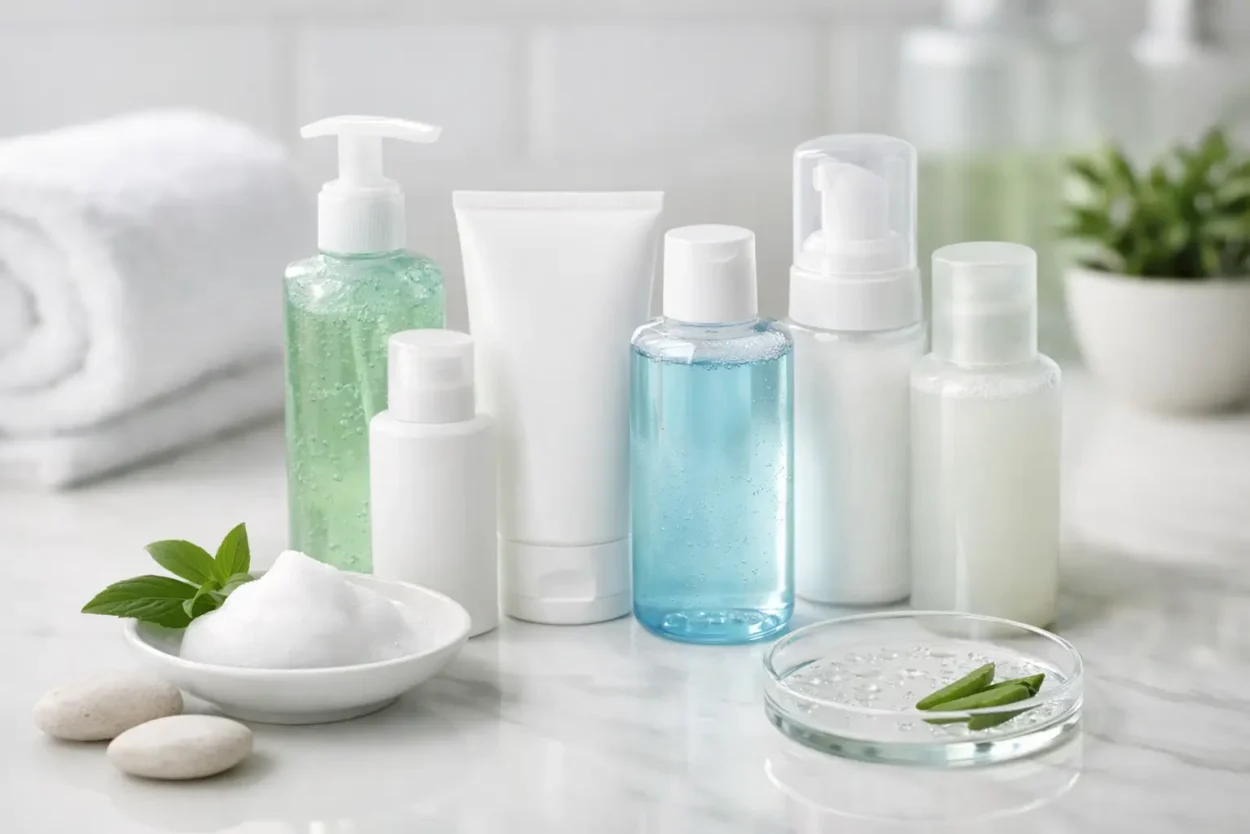
11 Best Drugstore Cleansers for Acne
If your skin seems to break out every time you try a new product, the cleanser aisle can feel weirdly high-stakes. The good news is that the best drugstore cleansers for acne are often simple, affordable, and easy to work into a routine you will actually stick with.
A good acne cleanser should do one of two things well: remove oil, sunscreen, and makeup without irritating your skin, or actively treat breakouts with ingredients like salicylic acid or benzoyl peroxide. The tricky part is knowing which camp your skin needs. If your face feels tight after washing, harsher is not better. If you are dealing with persistent clogged pores or angry inflamed pimples, a basic face wash alone may not be enough.
What makes the best drugstore cleansers for acne worth buying?
Price matters, but it is not the only thing that separates a smart buy from a disappointing one. The best formulas are easy to find, reasonably gentle, and designed around ingredients that have a track record for acne-prone skin.
Salicylic acid is one of the most helpful ingredients for blackheads, whiteheads, and texture because it can get into pores and help loosen built-up oil and dead skin. Benzoyl peroxide is usually better for red, inflamed breakouts because it targets acne-causing bacteria. Then there are gentle, non-medicated cleansers that support your skin barrier while you use leave-on treatments elsewhere in your routine.
That last category matters more than people think. If you are over-washing or using a cleanser that strips your skin, you can end up with more irritation, more redness, and sometimes even more oil production. Acne-prone skin does not always need a stronger cleanser. Sometimes it needs a calmer one.
11 best drugstore cleansers for acne
CeraVe Acne Control Cleanser
This is a strong option if your main issue is clogged pores, rough texture, and frequent small breakouts. It uses 2% salicylic acid and includes ceramides and niacinamide, which help make the formula feel a little more balanced than some harsher acne washes.
It works best for oily and combination skin, especially if you want a cleanser that does some treatment work without stepping into benzoyl peroxide territory. If your skin is very dry or reactive, it may still feel like too much for twice-daily use.
La Roche-Posay Effaclar Medicated Gel Cleanser
This one is a classic for a reason. It also uses 2% salicylic acid, but the texture feels light and clean, making it appealing for anyone who hates heavy or creamy face washes.
It is a good fit for oilier skin types and for people who like that fresh, just-cleansed feeling. The trade-off is that some users with sensitive skin may find it a little drying, especially in winter or when paired with strong serums.
Neutrogena Oil-Free Acne Wash
If you want an easy starter cleanser, this is one of the most recognizable picks at the drugstore. It uses salicylic acid to help prevent breakouts and is often a first stop for teens and adults who want something basic and affordable.
It is not the most elegant formula on the shelf, but it is accessible and usually effective for mild acne. If your skin barrier is already irritated, though, this may not be the cleanser to lean on every day.
PanOxyl Acne Creamy Wash 4% Benzoyl Peroxide
For inflamed acne, this is one of the best values out there. Benzoyl peroxide can be very effective for painful pimples and recurring red breakouts, and the 4% version tends to be easier to tolerate than higher strengths.
The creamy texture helps a bit, but this is still an active cleanser with real drying potential. It can also bleach towels and pillowcases, so it is worth being careful after rinsing.
PanOxyl Acne Foaming Wash 10% Benzoyl Peroxide
This is the stronger option for people who have used benzoyl peroxide before and know their skin can handle it. It is often chosen for body acne too, especially on the chest, shoulders, and back.
For the face, 10% is not automatically better. In many cases, it just means more irritation. If you are new to benzoyl peroxide, the 4% creamy wash is usually the smarter place to start.
CeraVe Foaming Facial Cleanser
This is not an acne treatment cleanser, and that is exactly why it belongs on this list. If you are using adapalene, benzoyl peroxide, or exfoliating toners, a gentle cleanser like this can help keep your routine from tipping into irritation.
It is best for normal to oily skin and does a solid job removing daily buildup without making skin feel squeaky. For many people with acne, a non-medicated cleanser is the better everyday choice.
Vanicream Gentle Facial Cleanser
If your skin is acne-prone and easily annoyed, this is one of the safest bets at the drugstore. It is simple, fragrance-free, and focused on cleansing without adding extra problems.
It will not treat acne on its own, but it can be a great partner to prescription treatments or stronger over-the-counter actives. When your skin is stinging, flaky, or overworked, this kind of cleanser can be a relief.
Cetaphil Gentle Clear Clarifying Acne Cream Cleanser
This formula uses salicylic acid but comes in a creamier texture than many acne washes, which makes it appealing if gels tend to leave your skin feeling stripped. It is aimed at people who want breakout support with a slightly gentler feel.
That said, gentler does not mean invisible. If your skin is very sensitive, you may still want to alternate it with a basic cleanser instead of using it morning and night.
Differin Daily Deep Cleanser
This cleanser uses benzoyl peroxide, but in a way that is designed to be less irritating than some traditional washes. It is a good middle-ground option for people who want help with inflamed acne but are wary of extra dryness.
It is especially useful if salicylic acid does not seem to do much for your deeper breakouts. The texture and finish tend to feel more user-friendly than older-school acne cleansers.
Hero Cosmetics Clear Collective Exfoliating Jelly Cleanser
If your skin leans oily and congested but you still care about texture and feel, this one has a more modern formula than some classic drugstore options. It combines acne-friendly exfoliating ingredients with a cleanser texture that feels a little more current and less medicinal.
This is a nice pick for mild breakouts and maintenance. If you have moderate or stubborn acne, you may need something stronger or a separate treatment product.
Aveeno Clear Complexion Foaming Cleanser
This is another salicylic acid cleanser that can work well for combination skin, especially if you want something easy to find and straightforward to use. It sits in that middle zone between gentle and active.
For some people, that balance is ideal. For others, it may feel not quite strong enough for active acne or not quite gentle enough for very dry skin. It really depends on where your skin is at right now.
How to choose the right acne cleanser for your skin
If your breakouts are mostly blackheads, whiteheads, and forehead congestion, a salicylic acid cleanser usually makes sense. It is especially helpful for oily skin and clogged pores. If your acne is more red, sore, and inflamed, benzoyl peroxide may give you better results.
If your skin is sensitive, dry, or already using strong products like adapalene, tretinoin, or exfoliating acids, start with a gentle cleanser first. A treatment cleanser can be helpful, but only if your skin can tolerate it. Otherwise, you can end up stuck in a cycle of over-cleansing and trying to repair irritation.
There is also the makeup and sunscreen factor. If you wear either daily, your cleanser needs to actually remove them. Sometimes the best setup is a simple cleanse at night followed by an acne treatment, rather than relying on one wash to do every job.
How to use an acne cleanser without making breakouts worse
The biggest mistake is using a medicated cleanser too often, too soon. Once a day is enough for many people, especially with salicylic acid or benzoyl peroxide. If your skin stays comfortable after a couple of weeks, you can decide whether to increase use.
It also helps to let the cleanser sit on your skin briefly before rinsing, particularly with benzoyl peroxide washes. You do not need a long contact time, but giving it 30 to 60 seconds can make it more effective. Just do not scrub hard or use hot water. Acne is frustrating enough without adding irritation on top.
And if a cleanser burns, leaves your skin shiny-tight, or suddenly makes everything flaky, that is useful information. It does not mean acne cleansers do not work for you. It usually means that specific formula, frequency, or active ingredient is not the right match.
When a cleanser is not enough
Even the best drugstore cleansers for acne have limits. Cleansers rinse off, so they usually do not replace leave-on treatments if your acne is persistent. If you are still breaking out after a few weeks, it may be worth adding adapalene, a benzoyl peroxide gel, or a barrier-supporting moisturizer if dryness is the issue.
Stubborn cystic acne, frequent scarring, or breakouts that seem tied to hormones may need more than a drugstore routine. In that case, a dermatologist can save you a lot of trial and error.
The best cleanser is the one your skin will tolerate consistently, not the one with the harshest label. Start with what matches your breakout type, pay attention to how your skin responds, and give yourself room to adjust. A cheaper cleanser can absolutely be the one that finally makes your routine feel easier.

Comments are closed.