
Discover everything you need to know about retinol cream—from its powerful anti-aging benefits to the best products and natural alternatives. Learn how to use it safely and maximize results.
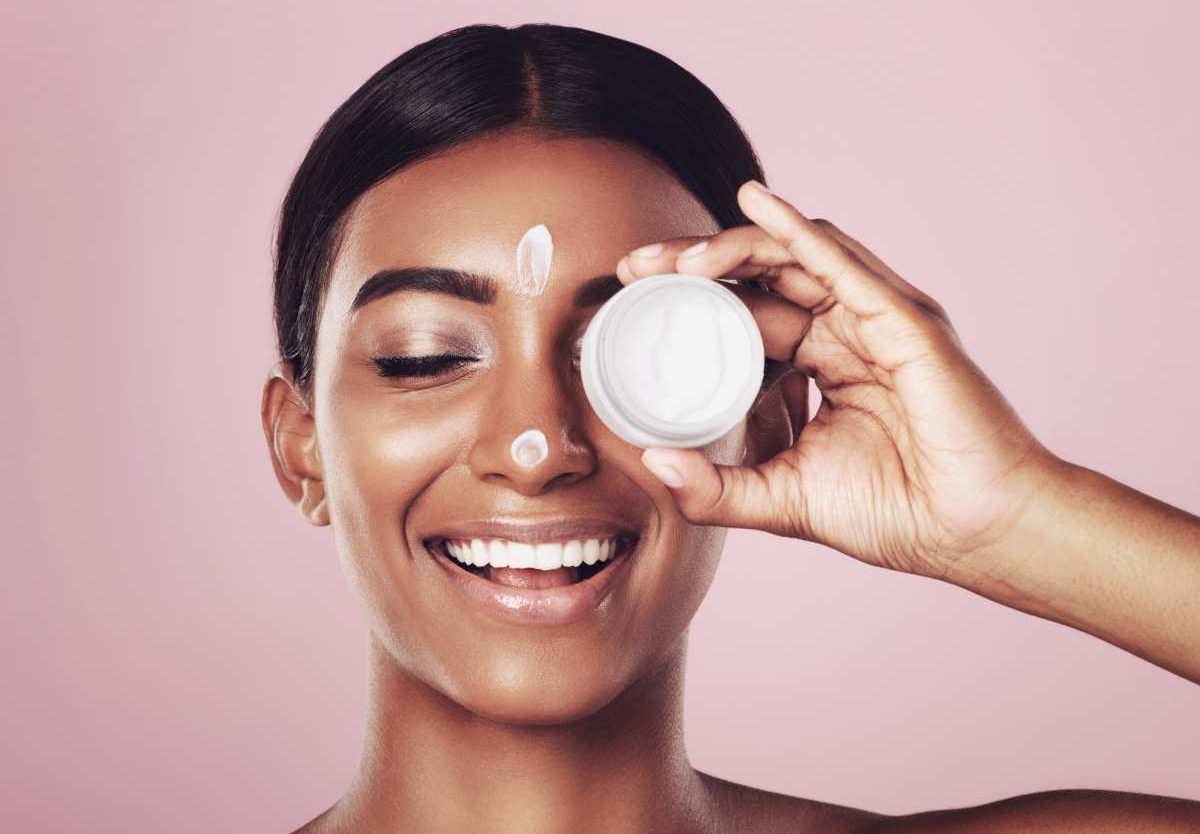
Complete Guide to Retinol Cream: Benefits, Application & Natural Alternatives
Retinol, an active form of vitamin A, is recognized for its multiple benefits in skin care, being an essential ingredient in fighting the signs of aging and improving skin texture.
What is retinol?
Retinol is a form of vitamin A, essential for skin health. It stimulates cell regeneration and collagen production, helping to reduce wrinkles and even out skin tone.
Retinol also helps unclog pores, being effective in treating acne and skin imperfections.
The best retinol creams
Choosing the right retinol cream depends on each person’s skin type and specific needs. Here are some recommendations:
- Mabox Retinol 2.5% anti-aging night cream: Contains hyaluronic acid and vitamin E, helping to reduce wrinkles and pigment spots.
- Youth Lab Retinol Reboot Night Cream: Formulated with state-of-the-art retinol and niacinamide, this night cream restructures the skin and maintains elasticity.
- Alchemy Retinol Renewal Cream: Provides anti-aging benefits and helps diminish post-acne scars by improving collagen synthesis and skin elasticity.
Combining retinol with other ingredients
To enhance the effects of retinol and minimize possible irritation, it is recommended to combine it with:
- Hyaluronic acid: Provides skin hydration, counteracting dryness caused by retinol.
- Niacinamide (vitamin B3): Reduces inflammation and improves skin barrier function, reducing redness and irritation.
- Ceramides: Contributes to restoring the lipid layer of the skin, maintaining its hydration and protection.
It is essential to apply the retinol cream in the evening, on clean and dry skin, followed by a moisturizing cream to seal in hydration.
In the morning, using a sunscreen is a must, as retinol can increase the skin’s sensitivity to UV rays.
Recommended age for retinol use
Introducing retinol into your skin care routine is recommended starting at age 25-30, when natural collagen production begins to decline.
In people with acne problems, retinol can be used even earlier, under the supervision of a dermatologist.
It is important to start with lower concentrations, gradually increasing as the skin gets used to the ingredient.
Alternatives to retinol creams
For those with sensitive skin or who prefer natural options, there are alternatives to retinol:
- Bakuchiol: A plant extract that mimics the effects of retinol without causing irritation.
- Vitamin C: A powerful antioxidant that brightens the complexion and stimulates collagen production.
- Rosehip oil: Rich in essential fatty acids and antioxidants, it helps to regenerate the skin and reduce the signs of aging.
In conclusion, retinol cream is a valuable ally in maintaining young and healthy skin. Choosing the right product and combining it with other beneficial ingredients can maximize results, giving your skin the care it needs.


Comments are closed.