Bowen Therapy has gained growing recognition as a natural, drug-free alternative for pain relief and body rebalancing. This gentle yet profound technique harnesses your body’s innate ability to heal itself through specific, light movements.
Bowen Therapy: What It Is, How It Works, and Who It’s For
Bowen Therapy has become increasingly well-known in recent years, especially among those seeking natural treatment alternatives without medications or invasive procedures. It is a gentle method, yet one with profound effects on the body, said to stimulate the organism’s self-healing capacity. But what exactly is Bowen Therapy, how is it performed, and what results does it deliver?
What is Bowen Therapy?
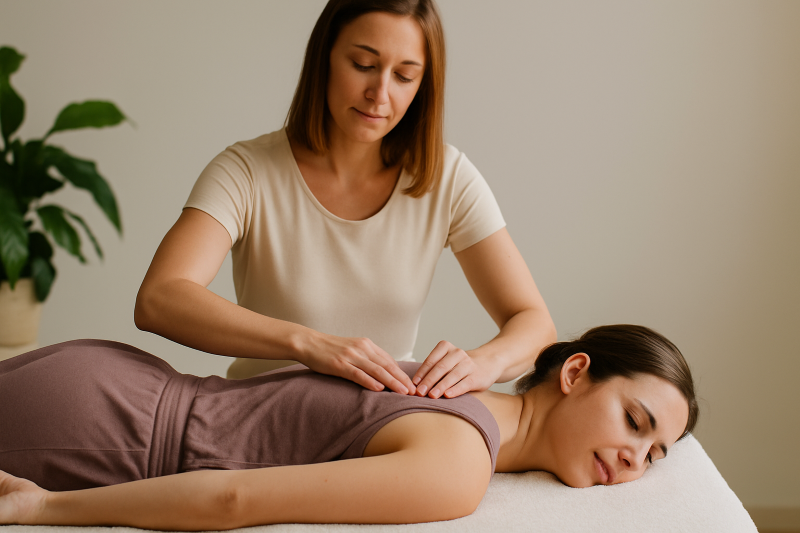
Bowen Therapy is a holistic technique for treating pain and body imbalances. It was developed in the 1950s by Australian Tom Bowen and involves applying specific, fine movements with the fingers to muscles, tendons, and fascia (the network of connective tissue that surrounds and supports muscles and internal organs).
It is a non-invasive, pain-free method that does not involve aggressive manipulation of the body, making it suitable for people of all ages, including babies, pregnant women, and those in fragile general health.
How Does a Bowen Therapy Session Work?
A Bowen session typically takes place in a quiet space, and the patient can remain clothed, lying down or standing, depending on their needs.
The therapist applies precise, slow movements to specific areas of the body, then pauses for several minutes between sequences to allow the body to respond. These pauses are essential in the Bowen process, as they stimulate the autonomic nervous system and allow the body to “read” the signals and slow its internal rhythm to heal itself.
How Long Does a Session Last and What Does It Cost?
A session typically lasts 30-60 minutes, depending on the complexity of the issues being addressed.
The cost of a Bowen Therapy session varies depending on location and therapist experience, but averages between 60 and 80 EUR per session. Some clinics offer multi-session packages at discounted rates.
How Long Does a Complete Bowen Therapy Course Last?
There is no standard number of sessions, as the body can begin responding positively from the first session. Generally, 3-5 sessions spaced a week apart are recommended for noticeable results.
For more complex or chronic issues, therapy may last several months, but without being aggressive or exhausting for the patient.
When Do Results Appear?
Some patients feel improvements during the first session itself. Others notice progressive changes over days or weeks.
Frequently reported results include:
-
- reduction in muscle and joint pain,
-
- increased mobility,
-
- improved sleep,
-
- reduced stress and anxiety,
-
- hormonal system rebalancing.
What Conditions Can Bowen Therapy Treat?
Bowen Therapy is used for a wide range of health issues, including:
-
- lower back and neck pain,
-
- sciatica,
-
- migraines and headaches,
-
- joint disorders (knees, shoulders, elbows),
-
- digestive disorders,
-
- respiratory problems (asthma, sinusitis),
-
- hormonal imbalances (including infertility),
-
- stress, anxiety, insomnia,
-
- infant problems (colic, reflux, sleep disorders).
It is important to note that Bowen does not replace conventional medicine, but can complement it effectively.
Are There Contraindications?
Bowen Therapy is considered safe and gentle, but it is recommended to inform the therapist of any serious conditions (such as active cancer, thrombosis, or serious infectious diseases) before starting treatment.
Is Bowen Therapy Supported by Research?
While there are numerous positive patient reports, scientific literature on Bowen Therapy remains limited. Some studies suggest its effectiveness in reducing chronic pain or improving quality of life, but more extensive research is needed.
For additional information from external sources, you can consult:
Therapies Similar to Bowen Therapy
While Bowen Therapy has unique characteristics, it is often compared with other forms of gentle and holistic therapy. Here are some similar therapies:
-
- Craniosacral Osteopathy – both use gentle movements and focus on balancing the nervous system. Craniosacral therapy works especially on cerebrospinal fluid and the craniosacral system.
-
- Reiki Therapy – both emphasize the body’s natural healing capacity, though Reiki works with universal vital energy through hand placement, without requiring direct physical contact.
-
- Reflexology – involves stimulating certain points on the feet or palms that correspond to different organs. Like Bowen, it is non-invasive and aims to rebalance the entire organism.
-
- Yumeiho Therapy – includes massage techniques, stretching, and gentle bone manipulation, aimed at restoring postural and functional balance.
-
- Applied Kinesiology – uses muscle testing to identify imbalances and suggests treatments that may include techniques similar to those in Bowen.
These therapies, though different in origin and approach, share the common goal of supporting the body in its natural self-healing process through gentle, personalized techniques.
Conclusion
Bowen Therapy is a worthy option to consider for those seeking a natural, gentle, and non-invasive method of rebalancing the body. With a holistic approach, affordable costs, and minimal risks, it can be a valuable complement to other forms of treatment.
If you are dealing with chronic pain, stress, or functional imbalances, Bowen Therapy might be a suitable option. Consult a certified therapist to discuss your specific needs.