
Makeup should be your confidence ally, not a hidden enemy of your skin. We break down the most frequent makeup mistakes that lead to acne, irritation, and premature aging—and how to avoid them.

10 Common Makeup Mistakes That Are Damaging Your Skin
Makeup should be an ally of confidence, not a hidden enemy of your skin. Yet some seemingly harmless habits can lead, over time, to acne, irritation, clogged pores, or premature aging. The good news? Most of these mistakes are easy to avoid once you recognize them.
In this article, we analyze the most common makeup mistakes that affect your skin, explain why they’re problematic, and share what you can do to correct them.
1. Applying Makeup on Unprepared Skin
One of the most common mistakes is applying foundation directly to dry, unwashed, or dehydrated skin.
Why it’s a problem:
- makeup doesn’t sit evenly;
- fine lines and dry patches become more visible;
- skin can become irritated or dehydrated.
What you should do instead:
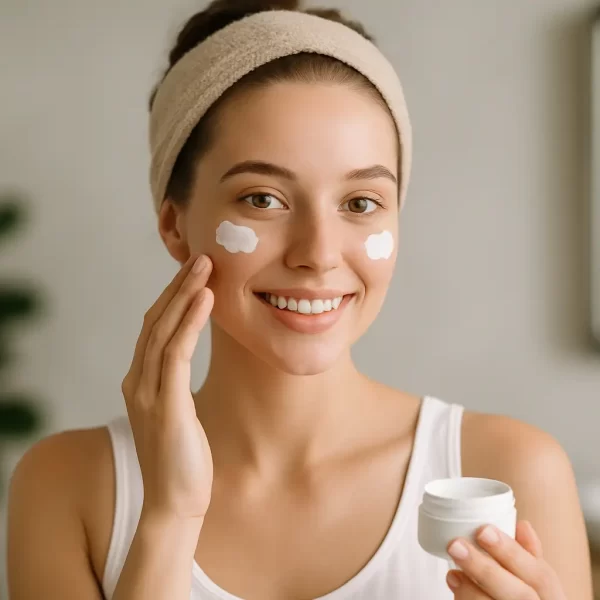
- cleanse your skin before makeup;
- apply a moisturizer suited to your skin type;
- wait 2–5 minutes before applying foundation.
Good makeup begins with skincare, not with a brush.
2. Choosing a Foundation That Doesn’t Match Your Skin Type
A foundation that’s too oily for acne-prone skin or too matte for dry skin can create real problems.
Possible effects:
- clogged pores;
- breakouts;
- sensation of skin feeling “tight” or congested.
How to choose correctly:
- oily skin → oil-free, non-comedogenic formulas;
- dry skin → hydrating foundations with luminous finish;
- sensitive skin → formulas free of alcohol, fragrance, or irritants.

3. Using Dirty Brushes and Sponges
This is one of the most underestimated mistakes, but also one of the most damaging.
What actually happens:
- bacteria accumulate on brushes;
- they’re transferred to your face daily;
- acne, irritation, and dermatitis can develop.
The simple solution:
- wash brushes once a week;
- sponges – every 2–3 uses;
- let them dry completely.
Your skin doesn’t need bacterial “souvenirs.”
4. Applying Too Much Product
More makeup ≠ better makeup.
What excess can cause:
- congested skin;
- enlarged pores;
- artificial appearance;
- difficulty removing makeup.
What works better:
- thin layers;
- multi-functional products;
- targeted corrections, not full coverage.
Modern makeup emphasizes skin, not covering it up.
5. Sleeping with Makeup On
Without exaggeration, this is one of the most harmful mistakes.
Direct consequences:
- clogged pores;
- acne;
- dull skin;
- accelerated skin aging.
Golden rule:
No matter how tired you are, removing makeup is not optional.
6. Aggressive or Incomplete Makeup Removal
It’s not just the lack of makeup removal that’s problematic—it’s how you do it.
Common mistakes:
- excessive rubbing of the eyes;
- using harsh products;
- skipping the second cleanse.
The correct approach:
- gentle makeup removal;
- followed by cleansing (double cleansing);
- without aggressive rubbing.
7. Using Expired Products
Yes, makeup expires. Even if it “looks fine.”
Risks:
- bacteria;
- infections;
- severe irritation.
General guidelines:
- mascara: 3–6 months;
- foundation: 12–24 months;
- lipsticks: 12–18 months.
If it smells odd or has changed texture, the answer is clear. Throw it away!
8. Ignoring Your Neck and Décolletage
Makeup doesn’t stop at the jawline.
What happens if you ignore them:
- visible color differences;
- uneven appearance;
- uneven skin aging.
Apply products lightly to your neck as well, in small amounts.
9. Excessive Powder Setting
Powder is useful, but in excess it can dehydrate your skin.
Effects:
- emphasizes wrinkles;
- dull appearance;
- sensation of skin feeling “heavy.”
Tip:
Set only the areas that need it (T-zone), not your entire face.
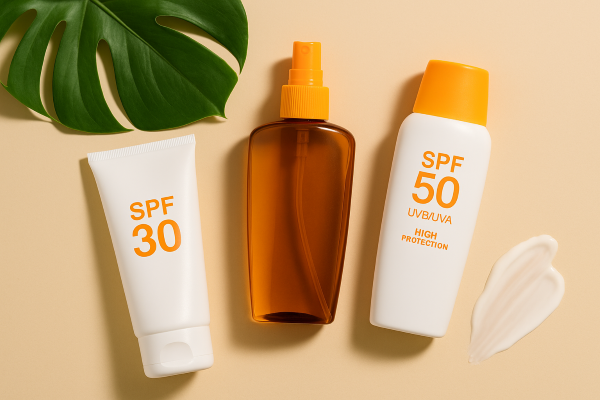
10. Lack of Sun Protection Under Makeup
Perfect makeup doesn’t protect you from the sun.
What you risk without SPF:
- age spots;
- wrinkles;
- loss of skin elasticity.
The solution:
- SPF cream applied before makeup;
- there are formulas that work beautifully under foundation.
Conclusion
Makeup is not the enemy of your skin – wrong habits are. With a little attention to products, hygiene, and the right steps, makeup can become part of a healthy routine, not a risk factor.
Your skin “speaks” every day. It deserves to be heard.



Comments are closed.