
Discover how to grow aromatic herbs at home, from basil and mint to rosemary and parsley. Learn the best growing conditions for both garden and container cultivation.

Complete Guide to Growing Herbs at Home: Garden & Container Tips
Aromatic herbs are among the easiest plants to cultivate, and their benefits are numerous. Beyond the intense aroma they bring to the kitchen, they can be grown successfully both in the garden and in pots on a balcony or windowsill.
Basil, mint, rosemary, thyme, and parsley are just a few examples of aromatic herbs you can grow at home without gardening experience. With a little sunlight, proper soil, and regular watering, they can produce fresh leaves throughout the warm season.
In this complete guide you will discover:
- which aromatic herbs are worth growing
- what soil they prefer
- how much light and water they need
- how to plant and harvest them
- how to preserve them for winter
Why You Should Grow Aromatic Herbs at Home
Growing aromatic herbs has become increasingly popular in recent years, especially among people seeking a more natural diet and fresh ingredients.
Among the main benefits are:
More Intense Aroma
Fresh plants have a much more powerful aroma than dried ones bought from the store.
Kitchen Savings
A single plant can produce leaves for months.
Easy to Grow
Most aromatic herbs are hardy and don’t require complicated care.
Natural Décor for Your Home or Balcony
Pots with aromatic herbs add a pleasant and natural look to any space.
Health Benefits
Many aromatic herbs contain antioxidants, vitamins, and beneficial essential oils.
The Most Popular Aromatic Herbs You Can Grow
Basil

Basil is one of the most popular aromatic herbs in the world and is frequently used in Italian and Mediterranean cuisine.
Characteristics:
- prefers sunlight
- grows rapidly
- has fragrant leaves
It’s ideal for:
- sauces
- pasta
- salads
- pesto
👉 See full guide: How to grow basil
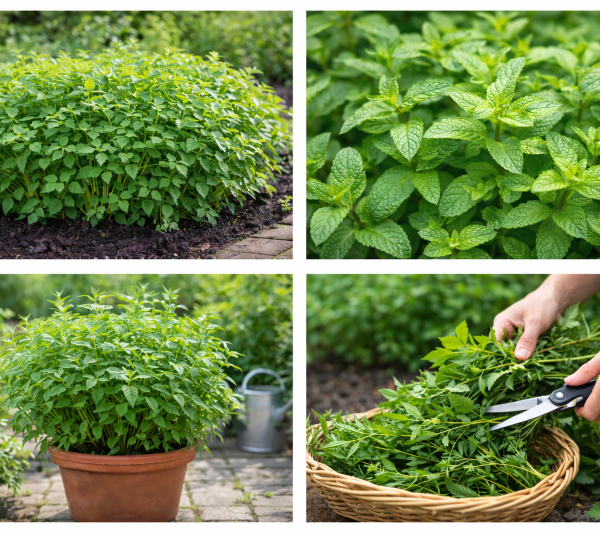
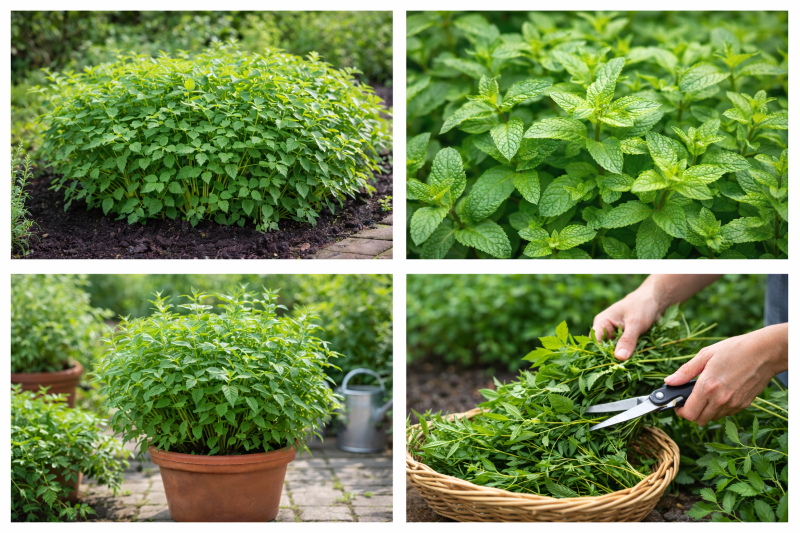
Mint

Mint is an extremely hardy and easy-to-grow aromatic herb.
Characteristics:
- grows rapidly
- prefers moist soil
- tolerates partial shade
It’s used for:
- teas
- lemonade
- desserts
- salads
👉 See full guide: How to grow mint
Rosemary

Rosemary is a Mediterranean aromatic plant highly valued in the kitchen.
Characteristics:
- prefers plenty of sunlight
- is drought tolerant
- has intense aroma
It’s ideal for:
- meat
- potatoes
- roasted vegetables
👉 See full guide: How to grow rosemary
Thyme

Thyme is a very hardy and easy-to-grow aromatic herb.
Characteristics:
- tolerates drought well
- prefers well-drained soil
- strong aroma
It’s frequently used in:
- soups
- stews
- meat dishes
👉 See full guide: How to grow thyme
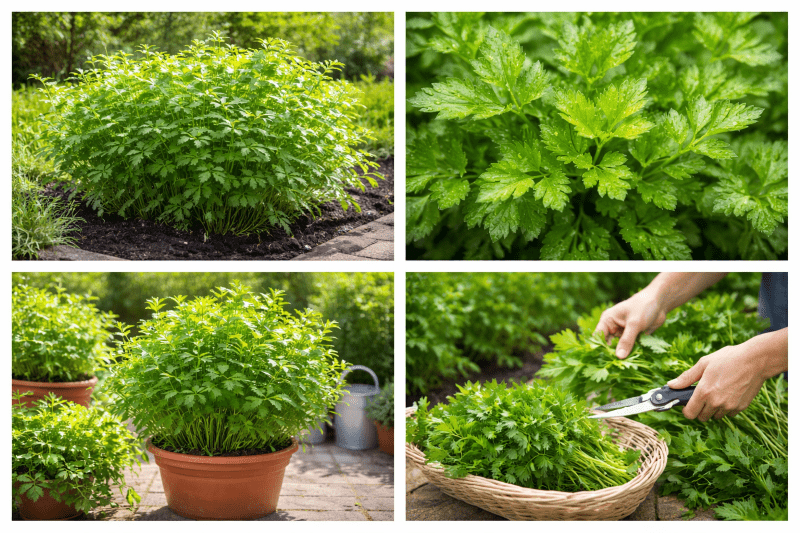
Parsley

Parsley is one of the most commonly used aromatic herbs in cooking.
Characteristics:
- grows well in pots
- tolerates partial shade
- leaves rich in vitamins
It’s used for:
- soups
- salads
- garnishes
👉 See full guide: How to grow parsley
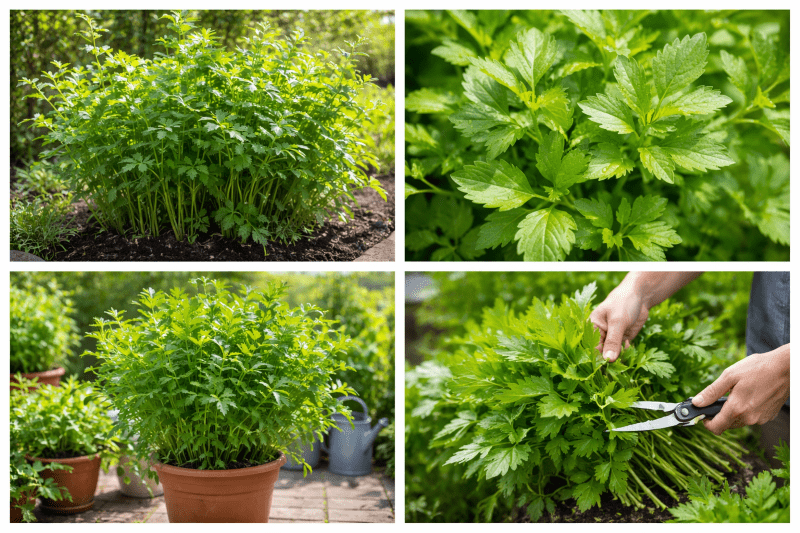
Lovage

Lovage is very popular in cooking, especially for soups.
Characteristics:
- perennial plant
- grows up to 1–2 meters
- strong aroma
It’s perfect for:
- sour soups
- soups
- traditional dishes
👉 See full guide: How to grow lovage
Where You Can Grow Aromatic Herbs
Aromatic herbs can be cultivated in several places.
In the Garden
This is the ideal option for plants that grow large, such as:
- lovage
- mint
- rosemary
- thyme
Advantages:
- more developed roots
- greater yield
In Pots
Pots are ideal for:
- basil
- parsley
- mint
- thyme
Recommended pot size:
15–20 cm depth
In Planters on the Balcony
The balcony is a perfect spot for a small herb garden.
You can grow:
- basil
- mint
- parsley
- thyme
What Type of Soil Do Aromatic Herbs Prefer
Most aromatic herbs prefer soil that is:
- loose
- well-drained
- rich in nutrients
An ideal potting mix is:
- 50% universal soil
- 30% compost
- 20% perlite or sand
This type of soil allows roots to breathe and prevents excessive water accumulation.
How much light do aromatic plants need
Most aromatic plants prefer direct sunlight.
Recommended light:
6–8 hours of sun per day
Plants that love the sun:
- basil
- rosemary
- thyme
Plants that tolerate partial shade:
- mint
- parsley
How to water aromatic plants correctly
Watering depends on the type of plant.
Plants that prefer wetter soil:
- mint
- parsley
Plants that prefer drier soil:
- rosemary
- thyme
General rules:
- water in the morning
- avoid excess water
- check the soil before watering
How to harvest aromatic plants
Correct harvesting stimulates plant growth.
Important rules:
- cut the tip of the stem
- do not harvest more than 1/3 of the plant
- use clean scissors or knife
Regular harvesting helps plants become richer and denser.
How to preserve aromatic plants for winter
If you have a rich harvest, there are several preservation methods.
Drying plants
Plants can be dried:
- naturally
- in the oven
- in a dehydrator
Freezing
Some aromatic plants can be frozen:
- parsley
- basil
- mint
Leaves can be frozen in:
- bags
- ice trays with oil
Preservation in oil
A popular method for basil or rosemary is preservation in olive oil.
This preserves the aroma and allows their use in culinary preparations.
Quick guide for growing aromatic plants
| Feature | Recommendation |
|---|---|
| Light | 6–8 hours of sun |
| Soil | loose and well-drained |
| Watering | moderate |
| Pot | minimum 15 cm |
| Fertilizing | once every 3–4 weeks |
| Harvesting | regular |
What aromatic plants can be grown together
Not all aromatic plants have the same water and light needs. That is why it is important to choose compatible plants when growing them in the same pot or planter.
Aromatic plants that can be grown together
These plants have similar light and watering needs:
- basil + parsley
- thyme + rosemary
- oregano + sage
These combinations work well because all prefer well-drained soil and strong light.
Aromatic plants that should be grown separately
Some plants grow very quickly and can choke other plants.
Examples:
Mint – spreads rapidly through roots and can take up all the space.
Lovage – grows very large and needs a lot of space.
That is why it is recommended to grow them in separate pots.
Planting calendar for aromatic plants
The timing of planting greatly influences the development of aromatic plants. Most prefer the warmer temperatures of spring and summer.
| Plant | Planting period | Harvesting period |
|---|---|---|
| Basil | April – May | June – September |
| Mint | March – April | May – October |
| Parsley | March – April | June – November |
| Thyme | April | June – October |
| Rosemary | April – May | year-round |
| Lovage | March – April | May – September |
In areas with warmer climates, some plants can be grown earlier.
Common mistakes in growing aromatic plants
Although aromatic plants are easy to care for, there are several common mistakes that can affect their growth.
Overwatering
One of the most common mistakes is watering too frequently.
Symptoms:
- yellow leaves
- rotted roots
- slow growth
Most aromatic plants prefer slightly moist soil, not waterlogged.
Lack of light
Aromatic plants need light to produce aromatic oils.
If they don’t get enough sun:
- leaves become pale
- aroma is weaker
- plants grow thin and fragile
Pots without drainage
If water cannot drain from the pot, roots can rot.
It is important that pots have:
- drainage holes
- layer of gravel or perlite at the base
Incorrect harvesting
If leaves are torn haphazardly, the plant may produce fewer branches.
It is best to:
- cut the tip of the stem
- use clean scissors
- do not harvest more than 30% of the plant
Aromatic plants that resist winter
Some aromatic plants can survive low temperatures and return each spring.
Perennial aromatic plants
These plants can withstand winter in the garden:
- thyme
- oregano
- sage
- lovage
These lose their leaves or grow more slowly in the cold season, but return in spring.
Aromatic plants sensitive to cold
These must be protected or grown annually:
- basil
- coriander
- dill
In areas with cold winters, these plants do not survive outdoors.
Tips for an aromatic garden on the balcony
If you live in an apartment, you can create a small aromatic garden on the balcony.
Useful tips:
✔ choose planters at least 20 cm deep
✔ combine plants with similar needs
✔ water early in the morning
✔ rotate pots for uniform light
Ideal plants for balcony:
- basil
- mint
- parsley
- thyme
- oregano
Frequently asked questions about aromatic plants
Which aromatic herbs grow easiest in pots?
The easiest to grow in pots are: basil, mint, parsley, thyme. These plants adapt very well to small spaces.
How often should aromatic plants be watered?
In general, aromatic plants should be watered 2–3 times a week, but the frequency depends on the temperature and the type of plant. Mediterranean plants such as rosemary or thyme require less water than mint or parsley.
What aromatic plants can be grown in the apartment?
The most suitable for indoors are: basil, mint, parsley, coriander. These need a bright windowsill or artificial light for plants.
Conclusion
Herbs are some of the easiest and most satisfying plants you can grow at home. Whether you choose to grow them in your garden, on your balcony or on your windowsill, they will provide you with fresh, aromatic leaves for a long time.
Basil, mint, parsley, thyme and rosemary are just a few of the herbs you can successfully grow at home. With a little light, the right soil and moderate watering, you will always have fresh ingredients on hand for your preparations.


Comments are closed.