Master the art of laundry with our comprehensive guide to washing cycles. Learn the ideal RPM and temperature settings for every fabric type, from delicate silk to sturdy cotton.
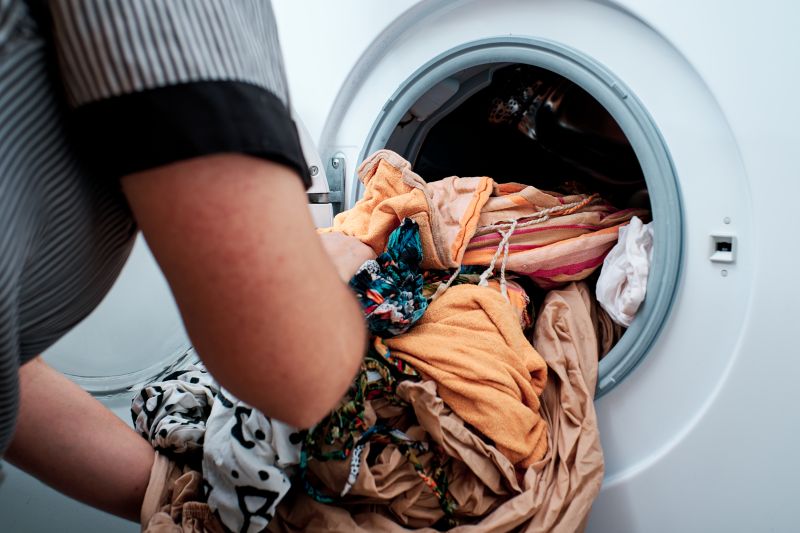
How Many Washing Machine Cycles for Clothes – Complete Practical Guide
Washing clothes may seem like a simple process, but to extend the lifespan of your garments and keep them in good condition, it’s essential to know at how many rotations (RPM – revolutions per minute) and at what temperature to wash them. Choosing the wrong settings can lead to shrinking, fabric damage, or color fading.
In this article, we explain what RPM means, which settings are best suited for different fabric types, and how to ensure your clothes are clean while remaining protected.
What Do Revolutions Per Minute (RPM) Mean on a Washing Machine?
RPM (revolutions per minute) indicates the spin speed of your washing machine – that is, how fast the drum rotates to remove water from your clothes. The higher the number, the drier your clothes will come out, but they may also become more wrinkled or damaged if the fabric is delicate.
How Many Rotations for Washing Clothes? Guide by Fabric Type
1. Cotton Garments
- Recommended rotations: 1000–1400 RPM
- Recommended temperature: 40–60°C (104–140°F)
- Examples: t-shirts, bed linens, towels, socks
➡️ Cotton is resistant and tolerates higher temperatures, but dark colors wash better at 40°C ( 140°F) to prevent fading.
2. Synthetic Garments (Polyester, Elastane, Acrylic)
- Recommended rotations: 800–1000 RPM
- Recommended temperature: 30–40°C (86–104°F)
- Examples: sportswear, synthetic blouses, casual clothing
➡️ They dry quickly and don’t require a high spin speed. Generally, they don’t wrinkle excessively.
3. Wool and Cashmere
- Recommended rotations: 400–600 RPM
- Recommended temperature: 20–30°C (68–86°F) for wool program or hand wash.
- Examples: sweaters, scarves, cardigans
➡️ These delicate materials must be washed gently, without intense spinning.
4. Delicate Garments (Silk, Lace, Fine Lingerie)
- Recommended rotations: max. 400–600 RPM
- Recommended temperature: 20–30°C (68–86°F)
➡️ Ideally, they should be washed in a special mesh bag and with delicate detergent.
5. Jeans and Heavy Denim
- Recommended rotations: 800–1000 RPM
- Recommended temperature: 30–40°C (86–104°F)
➡️ It’s recommended to wash inside out, with zippers closed, to prevent fading.
6. Towels and Bathrobes
- Recommended rotations: 1000–1400 RPM
- Recommended temperature: 60°C
➡️ A long cycle is recommended for sanitization and bacteria elimination.
7. Baby Clothes
- Recommended rotations: 800–1000 RPM
- Recommended temperature: 60°C (140°F) for white cotton items, 40°C (104°F) for colored ones
➡️ Use hypoallergenic, fragrance-free detergent.
Why Is Choosing the Right Spin Speed Important?
- Material protection: delicate clothes can fall apart if spun at high speed.
- Energy savings: lower spin speed means lower energy consumption.
- Fewer wrinkles: a lower spin speed means fewer wrinkles.
- Faster drying: clothes spun at high speeds come out almost dry – ideal if you don’t have a dryer.
Helpful Tips for Washing Clothes
- Always read the clothing label. The washing symbols provide all the information you need.
- Don’t overload the washing machine – clothes won’t wash effectively and may wear out faster.
- Use the right detergent for each fabric type and avoid overdosing.
- Wash colored clothes separately from whites.
- If you have clothes that may bleed color, use special color-catching sheets.
Information Table: Recommended Rotations and Temperatures
| Fabric Type | Recommended Rotations (RPM) | Recommended Temperature | Notes |
|---|---|---|---|
| Cotton | 1000–1400 | 40–60°C/104–140°F | 60°C/140°F for bed linens/towels |
| Synthetic | 800–1000 | 30–40°C/86–104°F | Dries quickly |
| Wool / Cashmere | 400–600 | 20–30°C/68–86°F | Wool program/manual |
| Silk / Delicate | 400–600 | 20–30°C/68–86°F | Special mesh bag recommended |
| Denim / Jeans | 800–1000 | 30–40°C/86–104°F | Wash inside out |
| Towels / Bathrobes | 1000–1400 | 60°C/140°F | Long cycle recommended |
| Baby Clothes | 800–1000 | 40–60°C/104–140°F | Hypoallergenic detergent |
Recommended Detergents by Fabric Type
Choosing the right detergent is just as important as selecting the temperature and rotation settings. Here’s a brief classification:
- For white clothes:
✅ Powder detergent with active oxygen (e.g.: Dero, Ariel) – helps remove stains and keeps whites bright.
⚠️ Avoid frequent use on delicate or synthetic clothes, as it can be abrasive. - For colored clothes:
✅ Liquid detergent for colors (e.g.: Persil Color Gel, Ariel Color) – protects the pigment and prevents fading. - For delicate clothes (silk, wool, cashmere):
✅ Special detergent for delicates (e.g.: Perwoll, Woolite) – gentle formula, without harsh enzymes. - For baby clothes:
✅ Hypoallergenic, fragrance-free detergent (e.g.: Lovela, Frosch Baby) – prevents irritation of sensitive skin. - For sportswear (synthetic materials):
✅ Detergent for sports clothes (e.g.: Sano Sport, Sports Wash) – removes odors and maintains material elasticity.
💡 Tip: Don’t overdo the amount of detergent – excess doesn’t mean cleaner clothes; it can lead to residue on the fabric or in the machine.
Symbols on Clothing Labels – What Do They Mean?
The label is your most reliable guide when it comes to washing. Here are some important symbols:
| Symbol | Meaning |
|---|---|
| 🧺 30°C | Wash at maximum 30°C/86°F – delicate materials |
| 🧺 40°C | Normal wash, colored or synthetic clothes |
| 🧺 60°C | Hygienic wash – bed linens, towels, baby clothes |
| 🚫🧺 | Do not machine wash – hand wash only |
| 🔁 with one line | Delicate cycle – sensitive clothes |
| 🔁 with two lines | Very delicate cycle – silk, lace |
| 🔄 circle with dots | Tumble dry (1 = low, 2 = medium, 3 = high) |
| 🚫🔄 | Do not tumble dry |
| 🧺🌪️ | Spinning allowed |
| 🚫🌪️ | Do not spin – gentle hand spin or no spin |
🔍 If you’re unsure what a symbol means, you can use free apps that scan the label and provide the interpretation.
Frequently Asked Questions
What happens if I choose too many rotations for a delicate garment?
The fabric can fall apart, wrinkle, or even tear. The recommendation is to follow the instructions on the label.
Is it better to wash with cold water?
Yes, for colored or delicate clothes. Cold water protects colors and materials, but doesn’t eliminate bacteria as effectively as hot water.
If I want drier clothes, can I use 1400 RPM for everything?
No. Only resistant clothes (e.g., cotton, towels) can be spun at high speeds without problems.
Conclusion
Choosing the correct number of cycles and temperature during washing is the key to keeping clothes in good condition for longer. By following the recommendations based on the type of material, you will not only protect your clothes, but you will also save water, electricity and detergent.
You might also be interested in: