
Mint is one of the world’s most popular aromatic plants, prized for its refreshing aroma and versatile culinary uses. Learn how to easily grow mint in your garden or containers with our complete step-by-step guide.
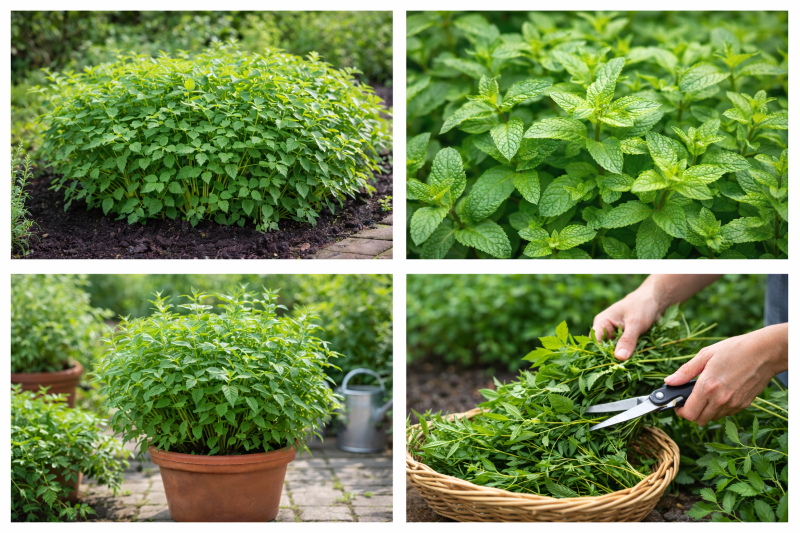
How to Grow Mint: The Complete Garden and Container Guide
Mint is one of the most popular aromatic plants in the world. It’s prized for its refreshing aroma and the fact that it can be used in teas, lemonades, desserts, and various culinary dishes.
The good news is that mint is one of the easiest aromatic plants to grow. It grows rapidly, is hardy, and adapts well both in the garden and in containers on a balcony or windowsill.
In this complete guide you’ll discover:
- how to plant mint
- what type of soil it prefers
- how much light and water it needs
- how to harvest it properly
- how to preserve it for winter
If you want to discover other aromatic plants you can grow at home, also read the Complete Guide to Aromatic Plants.
What is Mint and Why It’s Worth Growing

Mint belongs to the genus Mentha and there are several varieties, including:
- common mint
- peppermint
- Moroccan mint
- garden mint
It is a perennial plant, which means it can return each year.
The advantages of growing mint:
- grows rapidly
- is very hardy
- can be grown in containers
- attracts pollinators
- has numerous health benefits
When to Plant Mint
Mint can be planted in spring or fall.
Recommended periods:
- March – May
- September – October
The plant prefers moderate temperatures and moist soil.
If you plant it from seeds, germination takes approximately 10–15 days.
However, many gardeners prefer to plant seedlings or root cuttings, as this method is faster.
What Type of Soil Mint Prefers
Mint prefers soil that is:
- rich in nutrients
- slightly moist
- well-draining
Ideal potting mix:
- 50% universal potting soil
- 30% compost
- 20% perlite or sand
Unlike Mediterranean plants, mint prefers more moisture in the soil.
How Much Light Mint Needs
Mint prefers moderate light.
It develops well in:
- partial sun
- semi-shade
In very hot areas, some afternoon shade is actually beneficial.
It needs approximately:
4–6 hours of light per day
How to Grow Mint in Containers

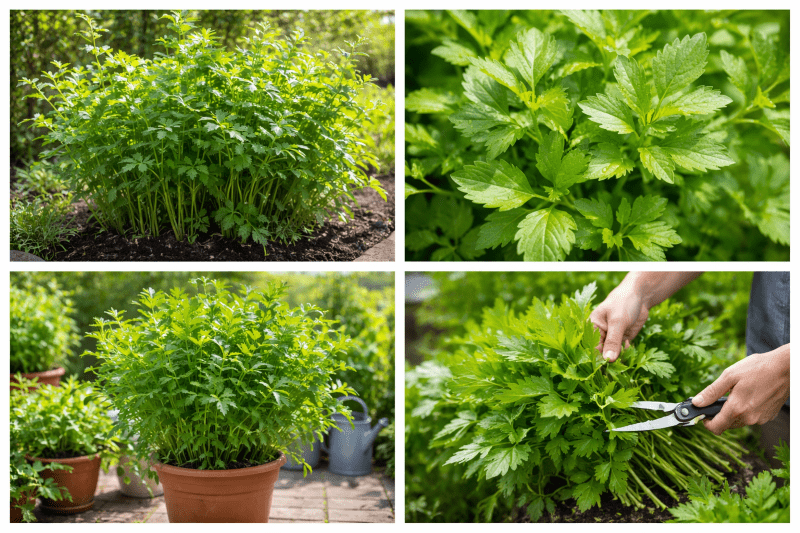
Mint is one of the best aromatic plants for containers.
In fact, many gardeners recommend growing it in pots because in the garden it can spread very quickly.
Container Size
Recommended dimensions:
- diameter: 20 cm
- depth: 20 cm
Mint develops strong roots and needs space.
Watering Mint
Mint prefers moist soil.
Watering rules:
- water 2–4 times per week in summer
- soil should not dry out completely
- avoid waterlogging
How to Grow Mint in the Garden

In the garden, mint can become very vigorous.
For this reason it is recommended:
- to plant it in a separate area
- or to use containers buried in the soil
Distance between plants:
30–40 cm
How to Harvest Mint
Harvesting stimulates plant growth.
Rules:
- cut stems of 10–15 cm
- harvest before flowering
- do not cut more than 1/3 of the plant
Mint can be harvested multiple times per season.
How to Preserve Mint for Winter
There are several simple methods.
Drying Mint
Leaves can be:
- air-dried
- dried in an oven
- dried in a dehydrator
Freezing
Leaves can be frozen:
- in bags
- in ice cube trays with water or oil
This method preserves the aroma very well.
Common Problems When Growing Mint
Leaves Turn Yellow
Possible causes:
- soil too dry
- lack of nutrients
- excess water
Plant Grows Too Much
Mint can become invasive.
Solution:
- regular pruning
- growing in containers
Benefits of Mint
Mint is known for its beneficial properties.
It can help with:
- digestion
- relaxation
- reducing bloating
- flavoring beverages
It is frequently used in:
- teas
- lemonades
- desserts
- salads


Comments are closed.