
Learn how to grow rosemary at home with our comprehensive guide covering garden and pot cultivation, ideal growing conditions, harvesting tips, and winter care.

How to Grow Rosemary: Complete Garden and Potting Guide
Rosemary is one of the most aromatic culinary herbs and is highly prized in Mediterranean cuisine. Its thin, needle-like leaves have an intense aroma and are frequently used in meat dishes, roasted vegetables, and potatoes.
Beyond its distinctive flavor, rosemary is also an ornamental plant that can be grown both in gardens and in pots on balconies or windowsills.
In this complete guide you’ll discover:
- how to plant rosemary
- what type of soil it prefers
- how much light and water it needs
- whether it survives winter
- how to harvest correctly
If you’d like to explore other aromatic herbs you can grow at home, also read the Complete Guide to Aromatic Herbs.
What is Rosemary and Why It’s Worth Growing

Rosemary (Rosmarinus officinalis, now called Salvia rosmarinus) is an aromatic herb native to the Mediterranean region. It’s a perennial plant, meaning it can live for many years if given proper conditions.
Characteristics:
- narrow, aromatic leaves
- woody stems
- small blue or purple flowers
- intense aroma
Benefits of growing rosemary:
- ornamental plant
- drought resistant
- can be grown in pots
- attracts bees and pollinators
- can be harvested year-round
When to Plant Rosemary
Rosemary is typically planted in spring, when temperatures become more stable.
Recommended periods:
- March – May
In regions with mild climates, it can also be planted in fall.
Rosemary can be grown from:
- seeds
- cuttings
- store-bought plants
The fastest method is planting cuttings, as seeds germinate more slowly.
What Type of Soil Does Rosemary Prefer
Rosemary prefers soil similar to that found in Mediterranean regions:
- well-draining soil
- slightly sandy soil
- moderately fertile soil
Ideal potting mix:
- 50% all-purpose potting soil
- 30% sand or perlite
- 20% compost
Drainage is very important, as rosemary doesn’t tolerate excess water.
How Much Light Does Rosemary Need
Rosemary is a sun-loving plant.
It needs:
6–8 hours of light per day
Ideal locations:
- south-facing balcony
- sun-exposed garden
- bright windowsill
If it doesn’t receive enough light:
- it grows more slowly
- leaves become paler
- aroma is weaker
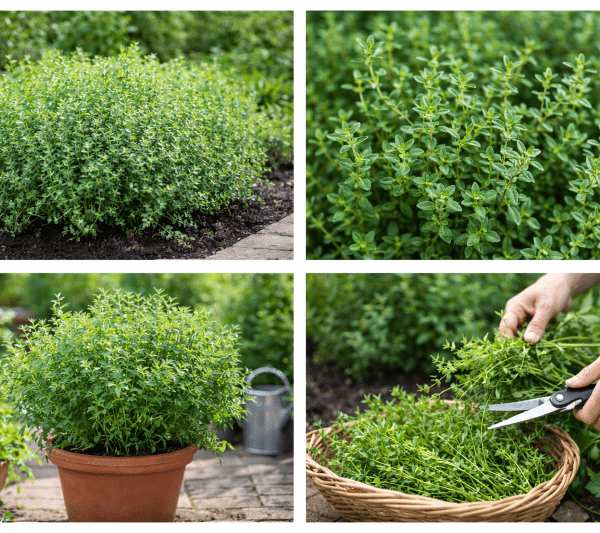
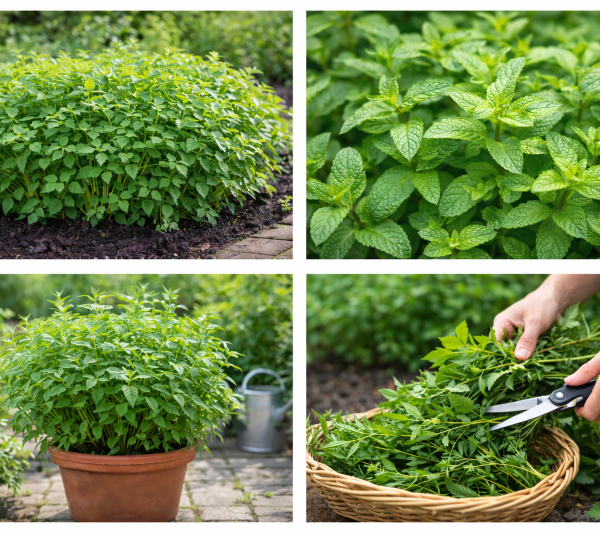
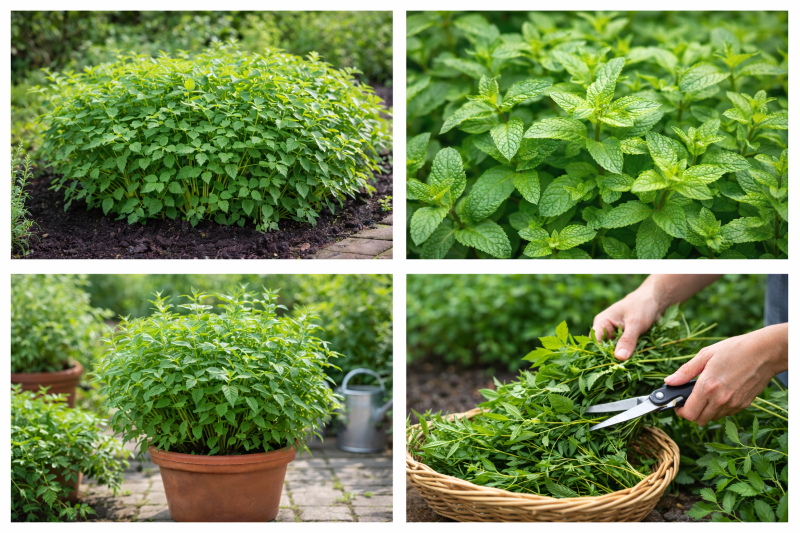
How to Grow Rosemary in Pots

Rosemary grows very well in pots and is a popular choice for balconies.
Pot Size
Recommended dimensions:
- diameter: 20–30 cm
- depth: 20 cm
It’s important that the pot has drainage holes.
Watering Rosemary
Rosemary prefers slightly dry soil.
Rules:
- water 1–2 times per week in summer
- let the soil dry out slightly between waterings
- avoid excess water
Overwatering is one of the most common mistakes.
How to Grow Rosemary in the Garden

In the garden, rosemary can become a small shrub.
Recommended spacing between plants:
60–80 cm
Benefits of garden cultivation:
- grows larger
- produces more leaves
- can live for many years
Does Rosemary Survive Winter?
This is one of the most frequently asked questions.
Rosemary tolerates temperatures of approximately:
-5°C to -10°C
In regions with harsher winters it’s recommended to:
- grow it in pots
- move it indoors in winter
A suitable indoor location for winter is:
- a sheltered balcony
- a greenhouse
- a bright room
How to Harvest Rosemary
Rosemary can be harvested year-round.
Rules:
- cut the branch tips
- use clean pruning shears
- don’t remove more than 30% of the plant
Pruning stimulates new branch growth.
How to Preserve Rosemary
Rosemary is very easy to preserve.
Drying
Branches can be:
- bundled together
- dried in a well-ventilated space
Freezing
Leaves can be frozen:
- in bags
- in ice cubes with oil
This preserves the aroma very well.
Common Problems When Growing Rosemary
Leaves Dry Out
Possible causes:
- low temperatures
- soil too dry
- lack of light
Plant Rots
Usually occurs due to:
- excess water
- poor drainage
Benefits of Rosemary
Rosemary is appreciated not just for its taste, but also for its properties.
It’s rich in:
- antioxidants
- essential oils
- anti-inflammatory compounds
It’s frequently used for:
- meat dishes
- roasted vegetables
- potatoes
- marinades


Comments are closed.