
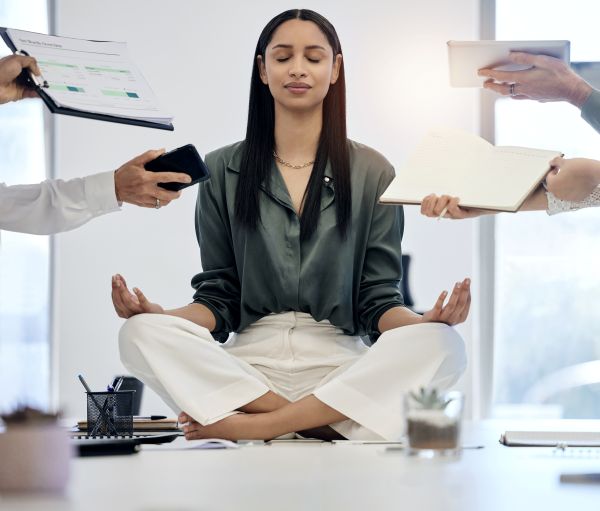
Anxiety is a common problem that affects millions of people globally. Although drug treatments can be effective, many look to natural methods to manage and reduce anxiety symptoms.
Here are some scientifically proven methods that can help reducing anxiety naturally, without the use of drugs.
Regular physical exercises
Physical activity has a significant positive impact on mental health. Aerobic exercise, such as walking, running or swimming, can reduce anxiety symptoms.
A study published in Frontiers in Psychology showed that exercise-based interventions have a role in reducing anxiety symptoms in college students. The study concluded that the type, duration and frequency of exercise have different effects on reducing anxiety symptoms.
Aerobic exercise, such as walking or running, reduces anxiety symptoms.
Resistance exercises, such as weight training, can also help reduce anxiety symptoms. A study published in Scientific Reports found that an eight-week resistance training program significantly reduced symptoms of anxiety and worry in young adults.
Meditation and mindfulness
Mindfulness and meditation practices have been shown to be effective in reducing stress and anxiety. A study published in JAMA Psychiatry compared the effectiveness of mindfulness-based stress reduction (MBSR) with escitalopram, an antidepressant medication, and found that both had similar effects in treating anxiety disorders.
Another study showed that MBSR can have a beneficial effect on anxiety symptoms in generalized anxiety disorder by improving stress reactivity and coping mechanisms.
Balanced diet
Diet plays a crucial role in mental health. Eating foods rich in omega-3s, such as fatty fish, can reduce anxiety symptoms. A article from Harvard Health notes that omega-3 supplements may help reduce anxiety.
Also, a diet rich in fruits and vegetables, which provide antioxidants and other essential nutrients, is associated with a lower risk of anxiety symptoms.
Quality sleep
Lack of sleep can exacerbate anxiety symptoms. Studies show that sleep deprivation can lead to increased levels of anxiety and decreased well-being. A American Psychological Association article highlights that chronic sleep deprivation can undermine emotional functioning and increase the risk of anxiety symptoms.
For improve sleep quality, it is recommended that you maintain a regular sleep schedule, create an environment conducive to rest, and avoid stimulants such as caffeine before bed.
Relaxation techniques
Relaxation techniques, such as progressive muscle relaxation, can help reduce tension and anxiety symptoms. This method involves the successive tensing and relaxing of different muscle groups, promoting a general state of relaxation.
Nature walks
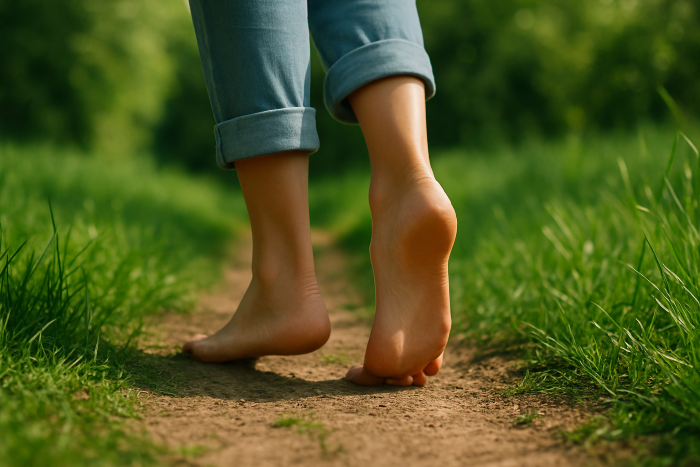
Spending time in nature can have beneficial effects on mental health. Research suggests that simply viewing natural landscapes can reduce stress and improve mood. A study from Cambridge University showed that the natural world can be a powerful way to relieve anxiety, even just by visualizing representations of nature.
Avoiding caffeine and alcohol
Caffeine and alcohol can worsen anxiety symptoms. Limiting or avoiding these substances can help manage anxiety better.
Herbal supplements and remedies
Certain supplements and herbs, such as valerian, kava, and ashwagandha, have been used to reduce anxiety. However, it is essential to speak with a healthcare professional before starting any supplement to avoid possible interactions with other medications or side effects.
Reducing anxiety naturally involves a holistic approach that includes regular exercise, mindfulness practices, a balanced diet, quality sleep, and other relaxation techniques. It is important to experiment and identify the strategies that work best for you.
If anxiety symptoms persist or worsen, it is recommended that you consult a mental health professional for appropriate evaluation and guidance.


Comments are closed.