
Proper planning of planting periods is key to a productive garden. Discover what vegetables to sow each month, crop rotation tips, companion planting strategies, and useful apps for organizing your garden.
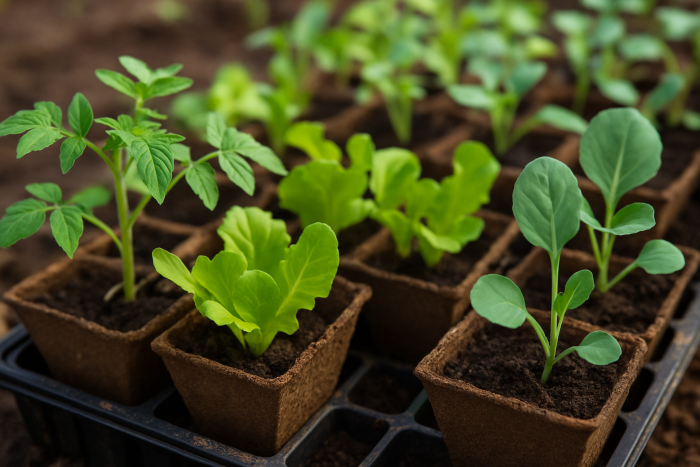
Garden Planting Calendar for Vegetables – What to Sow and When
Proper planning of sowing and planting periods is essential for achieving a healthy, productive, and balanced garden. Following a planting calendar helps you avoid wasting seeds, prevent diseases and pests, and enjoy staggered harvests throughout the season.
In this article, we offer you a detailed guide on what to sow and when, along with tips on crop rotation, companion planting, and apps to help you organize your garden more easily.
Factors That Influence Planting Time
- Climate zone: Temperatures in southern România allow earlier planting than in the north or in foothill and mountain areas.
- Soil type: Sandy soils warm up faster in spring, while clay soils retain moisture better.
- Optimal germination temperature: Each species requires a specific soil temperature to germinate properly.
Suitable Soils for Each Type of Vegetable
Monthly Planting Calendar
Tips for Successful Planting
Crop Rotation
- Don’t plant the same species in the same spot in two consecutive years.
- Alternate legumes (beans, peas) with root vegetables (carrots, parsley) or nightshades (tomatoes, peppers).
Companion Planting
- Carrots and onions help each other, keeping specific pests at bay.
- Basil next to tomatoes helps repel insects and improves the aroma of tomatoes.
- Don’t plant tomatoes near potatoes – they have common diseases that spread easily.
Useful Apps and Planners for Garden Planning
- GrowVeg Garden Planner – visual planning, with crop rotation and tips for each plant.
- Gardenize – app for organizing garden notes, including photos.
- My Vegetable Garden – simple planner for sowing and planting, with alerts for each crop.
Using a planting calendar can bring spectacular results to your garden, reducing effort and increasing productivity. Always adjust your plan based on local conditions and your experience from previous years. With a little planning and attention, you’ll enjoy delicious and healthy vegetables throughout the year!

Comments are closed.