
What does hyaluronic acid do for skin? Learn how it hydrates, plumps, supports the barrier, and how to use it the right way daily.
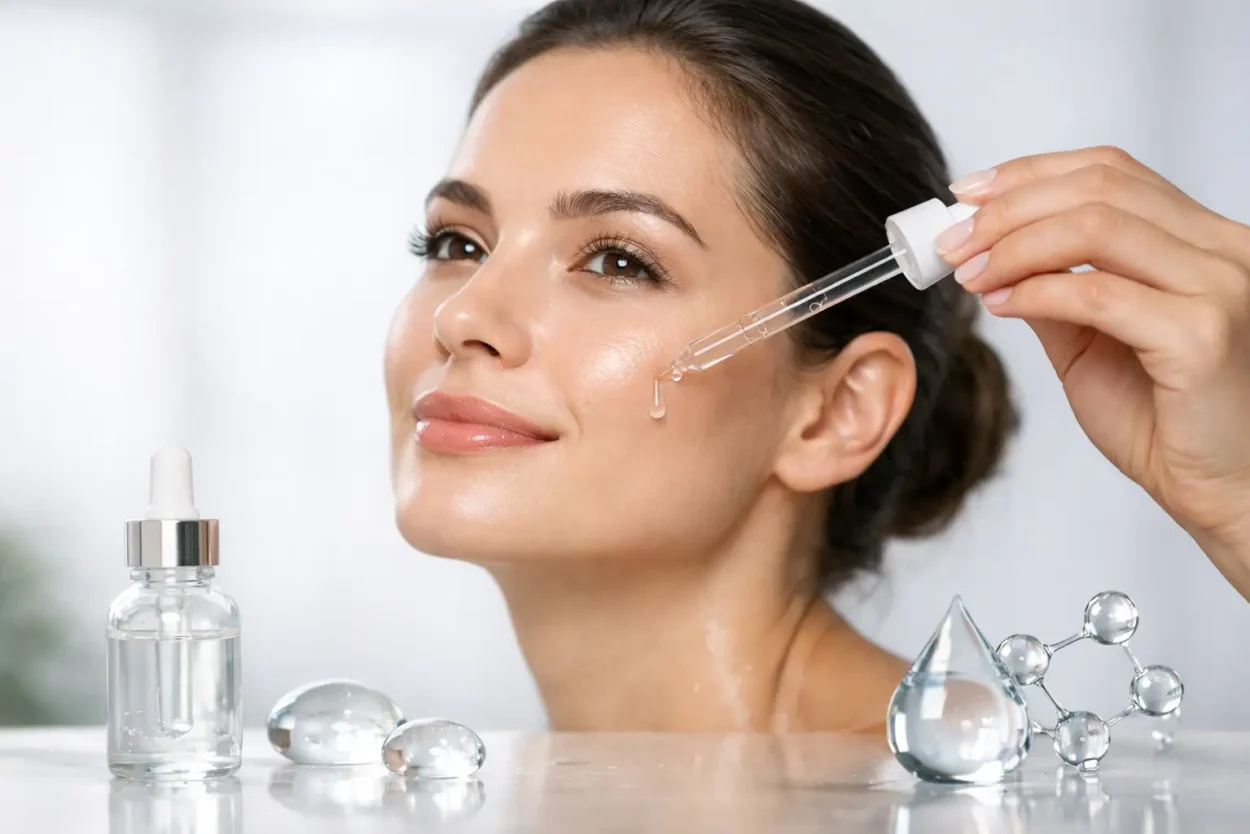
What Does Hyaluronic Acid Do for Skin?
If your skin feels tight after cleansing or your makeup starts looking dry by noon, hyaluronic acid is probably the ingredient people keep telling you to try. And for good reason. If you’ve been wondering what does hyaluronic acid do, the short answer is this: it helps your skin hold onto water, which can make it look smoother, plumper, and more comfortable.
That sounds simple, but the real value is in how it fits into a routine. Hyaluronic acid is one of those skincare ingredients that works for a lot of people, including beginners, because it targets a problem almost everyone deals with at some point – dehydration.
What does hyaluronic acid do, exactly?
Hyaluronic acid is a moisture-binding substance that naturally exists in the body, including the skin. In skincare, its main job is to attract and retain water. When your skin has enough water, it tends to look fresher, feel softer, and show fine lines less dramatically.
This is why products with hyaluronic acid are often described as hydrating rather than exfoliating or treating acne directly. It is not there to resurface your skin like an acid peel, despite the word acid in the name. It behaves more like a moisture magnet.
When you apply it well, hyaluronic acid can help with that bouncy, healthy-skin look people usually want from a serum. It does not permanently change your skin, but it can improve how your skin feels and looks while supporting your moisture levels.
The main skin benefits of hyaluronic acid
The biggest benefit is hydration. Dry and dehydrated skin are not exactly the same thing, but both can benefit from more water retention. If your skin feels rough, dull, or tight, hyaluronic acid may help bring back some softness and flexibility.
It also helps skin look plumper. This matters because dehydration can make fine lines appear more obvious, especially around the eyes and mouth. When skin is better hydrated, those lines can seem less noticeable. That is one reason hyaluronic acid shows up in so many products marketed for anti-aging.
Another benefit is comfort. A good hyaluronic acid product can reduce that strained, papery feeling that often comes after over-cleansing, cold weather, indoor heating, or too many active ingredients in a routine. It will not fix every skin issue, but it can make skin feel calmer and less stressed.
There is also a barrier-support angle. Your skin barrier works best when it is properly moisturized. Hyaluronic acid is not the same thing as a barrier repair ingredient like ceramides, but hydration and barrier health are connected. When skin is dehydrated, it is often more reactive and less resilient.
Why hyaluronic acid is so popular
Part of the reason this ingredient is everywhere is that it plays nicely with most routines. It usually layers well under moisturizer, sunscreen, and makeup. It also tends to be tolerated by many skin types, including oily skin, combination skin, and sensitive skin.
Another reason is that the payoff is easy to notice. You may not wake up looking like a different person, but skin often feels smoother fairly quickly. That makes it a satisfying ingredient for people who want simple results without a complicated routine.
It is also versatile. You can find hyaluronic acid in serums, creams, sheet masks, toners, and even cleansers. A serum is usually the most straightforward option if you want a concentrated version, but it is not the only way to use it.
What does hyaluronic acid do for different skin types?
For dry skin, hyaluronic acid can help relieve tightness and improve softness, especially when sealed in with a richer cream. For oily skin, it can add hydration without feeling heavy, which is useful if thick moisturizers tend to feel greasy.
For combination skin, it offers a middle-ground option that hydrates without overwhelming areas that already produce more oil. For sensitive skin, it is often a gentle pick, though formulas matter. Fragrance, alcohol, or too many extra actives can make a product less comfortable even if hyaluronic acid itself is generally well tolerated.
For acne-prone skin, it can be helpful because many acne treatments are drying. Adding hydration can make retinoids, benzoyl peroxide, or exfoliating acids easier to tolerate. It will not clear breakouts on its own, but it can make your routine feel more balanced.
How to use hyaluronic acid the right way
The best time to apply hyaluronic acid is usually after cleansing and before moisturizer. Slightly damp skin is often ideal because the ingredient works best when there is water available. Then you follow with a moisturizer to help lock that hydration in.
That second step matters more than many people realize. If you apply a hyaluronic acid serum and stop there, your skin may not feel as hydrated as you hoped, especially in a dry climate. Think of the serum as drawing in moisture and the moisturizer as helping keep it there.
Morning and night can both work. If your routine is simple, once a day is enough to start. If your skin is very dehydrated, twice daily may feel better. There is not a universal rule here – it depends on your skin, the formula, and what else you are using.
When hyaluronic acid might not work as expected
This is the part people often miss. Hyaluronic acid is helpful, but it is not magic. If your skin still feels dry after using it, the problem may be the formula, the weather, or the rest of your routine.
In very dry environments, hyaluronic acid can be less straightforward. If there is not much moisture in the air and you are not applying it onto damp skin or sealing it with moisturizer, your skin may still end up feeling thirsty. That does not mean the ingredient is bad – it just means technique matters.
It is also possible to expect the wrong result. Hyaluronic acid does not replace exfoliation, fade dark spots, or treat deep wrinkles on its own. It improves hydration, and hydrated skin often looks better overall, but it is not a complete skincare routine in one bottle.
What to look for in a hyaluronic acid product
A simple formula is often the safest place to start. If your goal is hydration, you do not need a long list of dramatic claims. Look for a product that includes hyaluronic acid or sodium hyaluronate and pairs it with supportive ingredients like glycerin, ceramides, or panthenol.
Texture matters too. If you hate sticky products, you are less likely to use them consistently. Some hyaluronic acid serums are watery and light, while others are gel-like and more noticeable on the skin. Neither is automatically better.
Price is not always a sign of performance here. Plenty of affordable options do the job well. What matters more is whether the formula fits your skin type and whether you use it correctly.
Can you use hyaluronic acid with other ingredients?
Usually, yes. Hyaluronic acid is one of the easier ingredients to combine with others. It works well with vitamin C, niacinamide, retinol, peptides, and richer moisturizers. That makes it a practical addition if your routine already includes treatment products.
In fact, it can be especially useful alongside stronger actives. If your retinol or exfoliating acid leaves your skin feeling dry, adding a hydrating layer may make your routine much more comfortable. It is not fixing irritation by itself, but it can help offset some of the dryness that comes with treatment-focused skincare.
Still, more is not always better. If your routine already includes a hydrating toner, essence, serum, and moisturizer, you may not need another dedicated hyaluronic acid product. Skincare works best when it is consistent and sensible, not crowded.
Is hyaluronic acid worth trying?
For most people, yes – especially if dehydration, tightness, dullness, or temporary fine lines are on your list of concerns. It is one of the easiest skincare ingredients to understand and one of the easiest to fit into a routine.
The trade-off is that its benefits are supportive, not dramatic. If you want brighter skin, fewer breakouts, or less pigmentation, you may need other ingredients too. But if your skin feels like it needs a glass of water, hyaluronic acid is a very reasonable place to start.
Good skincare does not have to be complicated to be effective. Sometimes the best upgrade is simply giving your skin more of what it has been missing – and for a lot of people, that starts with better hydration.