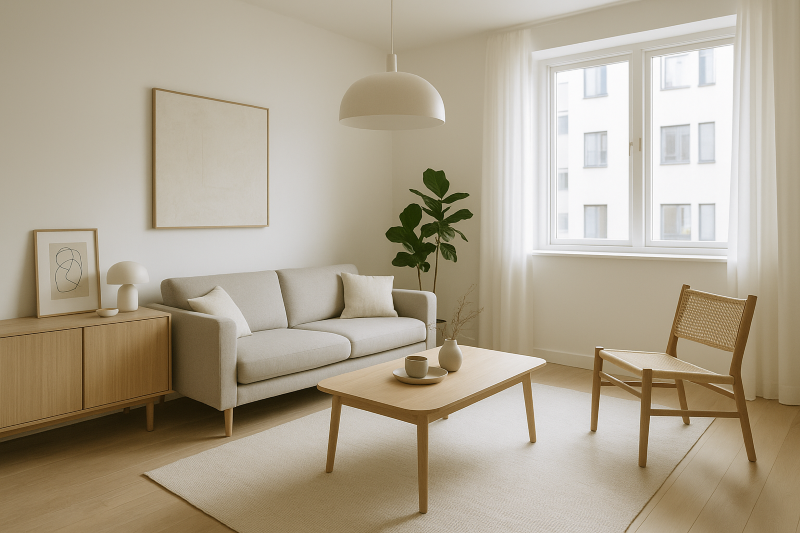
Discover what slow living truly means and how to practice it in your everyday life, even with a busy schedule. Learn practical steps to reduce stress and live more intentionally without drastic changes.

Slow Living: What It Means and How to Practice It in Everyday Life
We live in a world where “fast” has become normal: we eat on the go, work on autopilot, check off lists without asking if they truly serve us. In this context, more and more people are seeking an alternative. Enter the concept of slow living – a lifestyle that doesn’t mean laziness or giving up, but rather conscious choices and balance.
In this article, you’ll discover what slow living means, where the concept comes from, and most importantly, how you can apply it in real life, without drastic changes.
What does slow living mean?
Slow living means living intentionally, not on autopilot.
It’s not about doing everything slowly, but about doing fewer things, but better, with attention and purpose.
In short, slow living means:
- respecting your time and energy;
- choosing quality over quantity;
- living in the present, not always “ahead”;
- reducing unnecessary noise – mental, digital, and material.
👉 Important: slow living is not a luxury and doesn’t require you to move to the countryside or quit your job.
Where does the concept of slow living come from?
The concept of slow living has its roots in the slow food movement, which emerged as a reaction to fast food and rushed consumption. Later, the philosophy expanded to:
- work,
- relationships,
- consumption,
- lifestyle in general.
Today, slow living is a gentle form of resistance against burnout, stress, and overwhelm.
What slow living is NOT (common myths)
❌ It doesn’t mean being lazy
❌ It doesn’t mean having no goals
❌ It doesn’t mean living “without ambition”
❌ It doesn’t mean giving up technology completely
Slow living means choosing consciously, not eliminating everything.
The benefits of a slow lifestyle
When applied correctly, slow living can bring:
- reduced daily stress;
- greater mental clarity;
- more authentic relationships;
- an overall sense of well-being;
- more time (even if you do fewer things).
How to apply slow living in real life (step by step)
1. Slow living in your daily routine
You don’t need to change your entire life overnight. Start with small things:
- eat without your phone or TV;
- drink your coffee without rushing;
- do one thing, not three at once;
- take breaks between activities.
👉 Even 10–15 minutes lived consciously can shift the rhythm of your entire day.
2. Slow living at work
Slow living doesn’t mean working less, but working smarter.
- prioritize important tasks;
- avoid multitasking;
- set clear boundaries between work and personal time;
- accept that not everything needs to be done “today”.
👉 Productivity doesn’t mean exhaustion.
3. Slow living at home
Home is one of the best places to start.
- reduce clutter (fewer objects, more space);
- create quiet corners (a plant, a warm lamp);
- choose natural materials and things you genuinely love;
- open windows, let light in.
👉 A calm space supports a calm mind.
4. Slow living and relationships
Slow living extends to how you interact with others.
- be present in conversations;
- listen without rushing to respond;
- choose quality relationships over quantity;
- let go of relationships that constantly drain you.
5. Slow living and consumption
A fundamental principle is conscious consumption.
- buy less often, but better quality;
- choose sustainable products;
- avoid impulsive purchases;
- ask yourself: “Do I need this, or am I just filling a void?”
6. Digital slow living
Possibly the hardest, but also the most important part.
- limit time on social media;
- turn off unnecessary notifications;
- don’t check your phone immediately upon waking;
- create screen-free moments.
👉 Mental peace begins with less digital noise.
Can you practice slow living in a busy life?
Yes. Slow living doesn’t depend on how many tasks you have, but on how you do them.
Even in a packed schedule:
- you can eat mindfully;
- you can breathe before the next task;
- you can say “no” more often;
- you can let go of the pressure to do everything perfectly.
Conclusion
Slow living is not a destination, but a process. There’s no perfect formula, only daily choices that respect your time, energy, and real needs.
If we had to sum it up in one idea:
Slow living means living your life, not racing through it.
Frequently asked questions about slow living
What does slow living mean, in short?
Slow living means a conscious lifestyle, where you choose to live more present, reduce unnecessary rushing, and dedicate time to what truly matters.
Does slow living mean doing everything slowly?
No. Slow living isn’t about slowness, it’s about intention. You can have busy days and still practice slow living, if you’re mindful about how you manage your time and energy.
Can I practice slow living if I have a very busy schedule?
Yes. Slow living doesn’t require having lots of free time, but rather to:
prioritize;
reduce multitasking;
introduce small moments of pause and presence.
Is slow living the same as minimalism?
No, but the two concepts complement each other.
Minimalism focuses on reducing possessions, while slow living focuses on quality of life and experiences.
Is slow living only for people who live in the countryside?
No. Slow living can be practiced anywhere: in a busy city, a small apartment, or an active professional life. It’s a mindset, not a location.
What are the first simple changes to start slow living?
– eat without distractions;
– limit phone time;
– do one thing at a time;
– say “no” more often;
– create a calm morning routine.
Does slow living help reduce stress?
Yes. By reducing rushing, overload, and constant pressure, slow living contributes to a more balanced mental state and lower stress levels.
Is slow living compatible with professional success?
Absolutely. Often, slow living leads to:
– better focus;
– clearer decisions;
– sustainable productivity;
– less burnout.
Is slow living a trend or a long-term lifestyle?
Slow living is not a passing fad, but a natural reaction to the fast pace of modern life. For many, it becomes a long-term way of living.
How long does it take to see results from slow living?
Some effects (more peace, clarity) can appear quickly. Others, like changing habits, take time. Slow living is a process, not a checkbox to tick.
Can I adapt slow living to my personal style?
Yes. There’s no “correct” version. Slow living looks different for each person, depending on needs, values, and context.