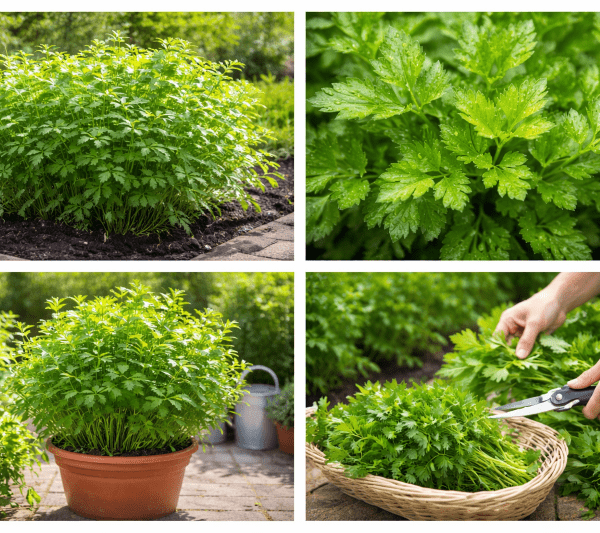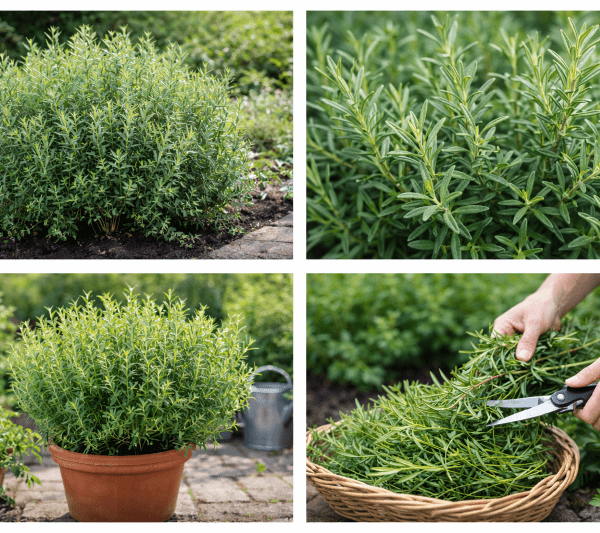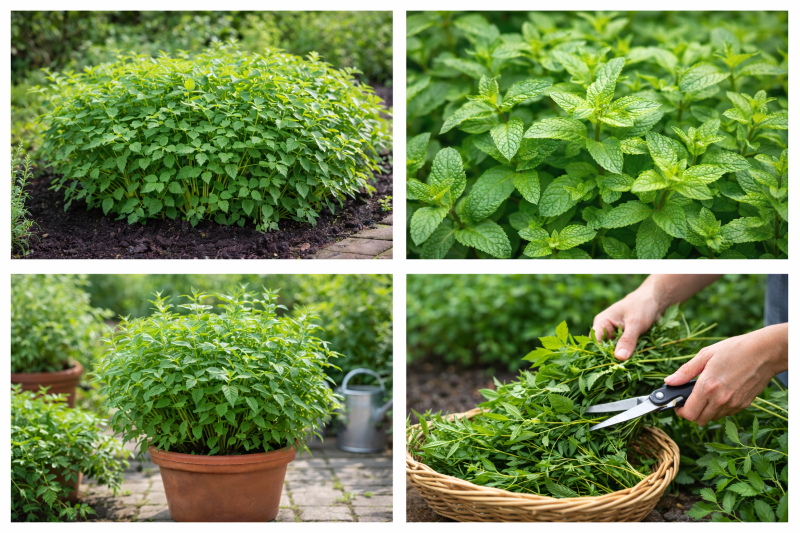
Thyme is one of the most aromatic culinary herbs, prized in Mediterranean and Romanian kitchens. This comprehensive guide teaches you everything about growing thyme in your garden or in pots, from planting to harvesting.

How to Grow Thyme: The Complete Garden and Pot Growing Guide
Thyme is one of the most aromatic culinary herbs and is highly valued in Mediterranean cuisine. Its intense flavor perfectly complements meat dishes, vegetables, sauces, and soups.
Beyond its culinary uses, thyme is also a decorative plant that can be easily grown in a garden or in pots on a balcony. It’s hardy, requires minimal water, and can produce aromatic leaves over a long period.
In this complete guide you’ll discover:
- how to plant thyme
- what type of soil it prefers
- how much light and water it needs
- whether it survives winter
- how to harvest correctly
If you’d like to explore other aromatic plants you can grow at home, also read our Complete Guide to Aromatic Plants.
What is Thyme and Why It’s Worth Growing

Thyme (Thymus vulgaris) is an aromatic herb native to the Mediterranean region. It’s a perennial plant, meaning it can live for several years if properly cared for.
Characteristics:
- small aromatic leaves
- thin woody stems
- small purple or pink flowers
- intense and slightly spicy flavor
Benefits of growing thyme:
- extremely hardy
- tolerates drought well
- can be grown in pots
- attracts bees and pollinators
- has culinary and medicinal uses
When to Plant Thyme
Thyme is typically planted in spring.
Recommended periods:
- April – May
In milder climates, it can also be planted in autumn.
Thyme can be grown from:
- seeds
- cuttings
- nursery-bought plants
Growing from cuttings or seedlings is the fastest method.
What Type of Soil Does Thyme Prefer
Thyme prefers soil similar to that found in the Mediterranean region.
Ideal soil:
- well-draining
- slightly sandy
- moderately fertile
Ideal potting mix:
- 50% universal potting soil
- 30% sand or perlite
- 20% compost
Overly moist soil can damage the roots.
How Much Light Does Thyme Need
Thyme loves the sun.
It needs:
6–8 hours of sunlight daily
Ideal locations:
- sunny garden
- south-facing balcony
- bright windowsill
If it doesn’t receive enough light:
- it grows more slowly
- leaf flavor becomes weaker
How to Grow Thyme in Pots

Thyme is an ideal plant for pots or planters.
Pot Size
Recommended dimensions:
- diameter: 15–20 cm
- depth: 15–20 cm
It’s important that the pot has drainage holes.
Watering Thyme
Thyme prefers slightly dry soil.
Guidelines:
- water 1–2 times per week in summer
- allow soil to dry between waterings
- avoid excessive moisture
Thyme tolerates drought better than excess moisture.
How to Grow Thyme in the Garden

In the garden, thyme can form small aromatic clumps.
Recommended spacing between plants:
25–30 cm
Advantages of garden cultivation:
- more vigorous plants
- higher yields
- perennial plant that returns annually
Does Thyme Survive Winter
Yes. Thyme is quite frost-hardy.
It can survive temperatures of approximately:
-10°C to -15°C
In very cold areas it’s recommended to:
- protect the plant with mulch
- grow it in a pot
How to Harvest Thyme
Thyme can be harvested multiple times throughout the season.
Guidelines:
- pinch off the branch tips
- use clean scissors
- don’t cut more than 1/3 of the plant
Regular harvesting stimulates new branch growth.
How to Store Thyme
Thyme is very easy to preserve.
Drying
Branches can be:
- tied in bundles
- dried in a well-ventilated area
Freezing
Leaves can be frozen:
- in bags
- in ice cubes with oil
Common Problems When Growing Thyme
Yellowing Leaves
Possible causes:
- excess water
- compacted soil
- poor drainage
Plant Growing Too Slowly
This can be caused by:
- insufficient light
- overly moist soil
Benefits of Thyme
Thyme is known for its medicinal properties.
It’s rich in:
- antioxidants
- essential oils
- antibacterial compounds
It’s frequently used in:
- soups
- stews
- meat dishes
- sauces