What to wear in your 30s starts with better basics, smarter styling, and confidence. Build outfits that feel polished, easy, and true.
What to Wear in Your 30s Without Overthinking It
If getting dressed used to feel spontaneous and now feels strangely high-stakes, you are not imagining it. Figuring out what to wear in your 30s can feel different from your 20s – not because there are rules now, but because your life is probably fuller, busier, and less interested in uncomfortable clothes that only work for one hour.
Your 30s are a good time to get clearer about personal style. Not more serious, not more boring, and definitely not more restricted. The goal is simpler than that: wear pieces that look like you, fit your real life, and make mornings easier.
What to wear in your 30s really comes down to fit and function
This decade tends to expose the clothes that looked good on a hanger but never worked once you left the house. Maybe the jeans pinch when you sit. Maybe the blazer is cute but impossible to layer. Maybe that dress only makes sense with heels you no longer want to wear for six hours.
That is why style in your 30s often looks more polished, even when it is casual. It is less about chasing every microtrend and more about editing. When your closet has better fit, better fabric, and better overlap between pieces, outfits stop feeling random.
This does not mean you need a minimalist capsule wardrobe or a closet full of expensive basics. It means you start noticing what earns its place. Usually, that includes jeans that actually flatter you, trousers that work for more than one occasion, knitwear that layers well, and shoes you can walk in without regret.
Build around strong basics, not boring ones
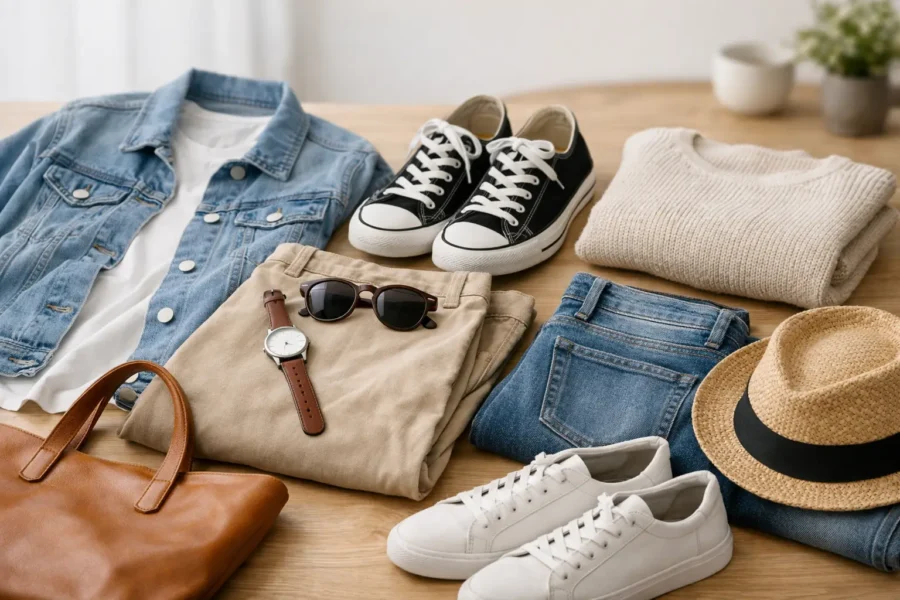
The easiest way to decide what to keep buying is to start with pieces that do the most work. A good white T-shirt, straight-leg jeans, a button-down, a knit dress, loafers, clean sneakers, a black tank, a blazer, and a trench or structured coat can carry a lot of outfits.
The trick is not to buy the most generic version of these staples. Buy the version that fits your taste. If a crisp white button-down feels too corporate, try an oversized oxford shirt. If black trousers feel stiff, choose a drapey wide-leg pair. If beige trenches wash you out, go for olive, navy, or even a soft chocolate brown.
That is where a lot of style advice misses the point. Basics should make your wardrobe easier, but they still need personality. Otherwise, you end up with a closet full of “smart” purchases you never feel excited to wear.
The three-question test for every new piece
Before buying something, ask three things: Does it fit my current life, can I style it at least three ways, and will I still want it after the initial trend rush wears off?
If the answer is yes to all three, it is probably a smarter buy than something that only works for one event or one mood. This is especially helpful in your 30s, when your calendar may include work meetings, dinner plans, errands, and family events in the same week.
What to wear in your 30s for everyday life
Most people do not need a dramatic reinvention. They need better everyday formulas. Outfit formulas save time because they remove the pressure to create something new every morning.
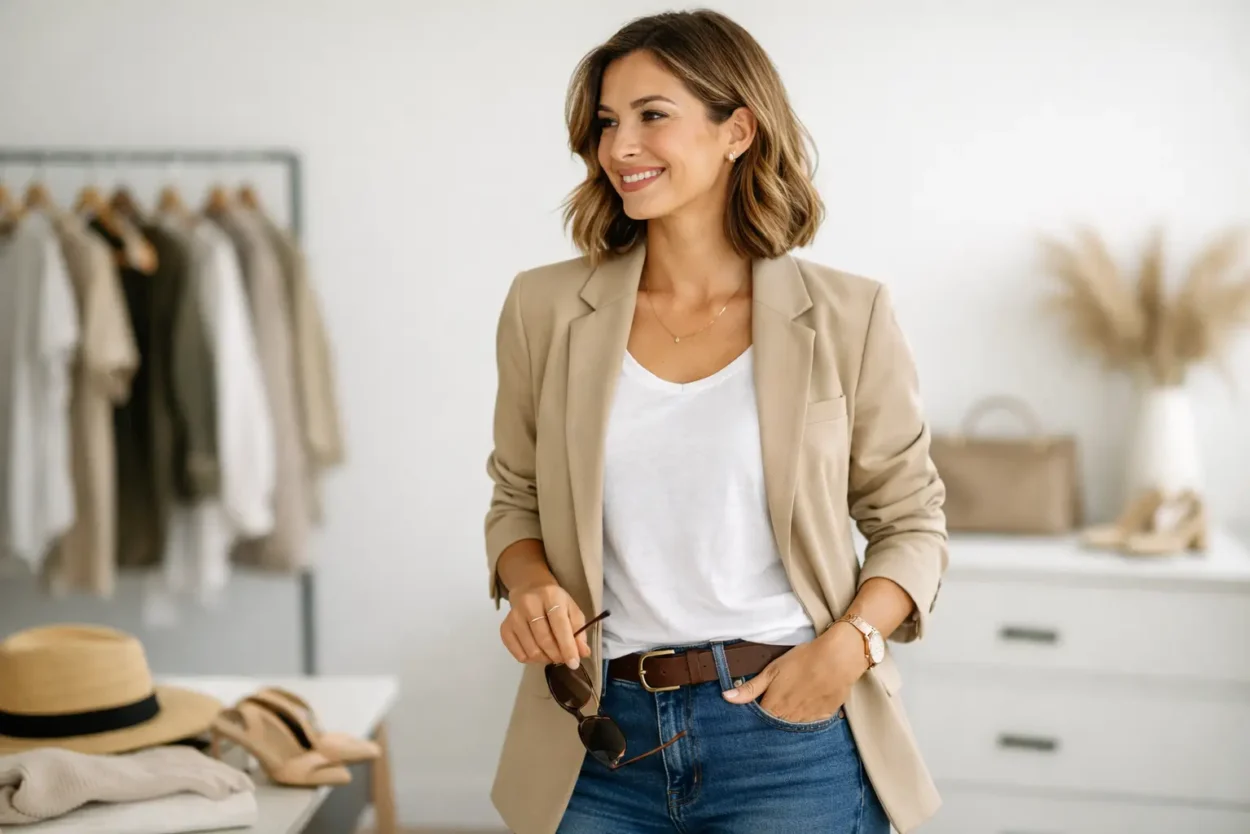
A few reliable ones: straight or wide-leg jeans with a fitted tee and blazer, slip skirt with a lightweight sweater and sneakers, trousers with a tank and cardigan, midi dress with flat sandals, or denim with a button-down and loafers. None of these are revolutionary, and that is exactly why they work.
The difference is in proportions and finishing touches. A simple jeans-and-tee outfit looks more intentional when the jeans fit well, the tee is not stretched out, and the shoes make sense with the overall mood. Add earrings, a belt, or a structured bag and it suddenly feels complete.
If your style has felt stuck, start by repeating one or two formulas for a few weeks. Patterns emerge quickly. You will notice whether you prefer a relaxed silhouette, more waist definition, cleaner lines, softer fabrics, or stronger accessories.
You do not have to dress older – just more intentionally
One of the strangest myths around style and age is that turning 30 means giving up fun. It does not. You can still wear leather, crop tops, miniskirts, sequins, platform shoes, vintage tees, or bright color. The question is not whether you are “too old” for them. The better question is whether the piece feels intentional on you now.
A cropped top with high-waisted trousers and a sleek jacket may feel better than one paired with ultra-low-rise jeans. A miniskirt might work best with a refined knit and flats instead of a going-out top you would have worn at 23. The item does not have to change, but the styling often does.
That is a useful shift for your 30s. Instead of asking whether something is age-appropriate, ask whether it is context-appropriate, comfortable, and still aligned with your taste.
Invest where it counts and save where it doesn’t
Not everything in your closet deserves a bigger budget. It usually makes sense to spend more on the items you wear constantly or rely on for structure, like coats, handbags, boots, jeans, and everyday jewelry. These pieces tend to shape your outfits and show wear faster if the quality is poor.
You can often save on trend pieces, layering tanks, simple tees, casual sandals, or seasonal extras. A statement top you only wear a few times does not need to carry the same weight as the bag you use four days a week.
It also depends on your lifestyle. If you work in a formal office, tailoring may be worth it. If you live in denim and sneakers, that is where your money should go. Style advice gets much easier when you stop buying for a fantasy version of your week.
Fabric matters more than labels
One of the fastest ways to make an outfit look more elevated is to pay attention to fabric. Cotton, linen, wool blends, denim with structure, and knits that hold their shape usually look better longer than flimsy synthetics.
That does not mean every synthetic fabric is bad. Some are practical, easier to care for, or useful in activewear and occasion pieces. But if an item already looks tired in the fitting room, it is not going to improve once it is in your closet.
A few style shifts that often happen in your 30s
Many people in their 30s start caring less about labels and more about silhouette. They stop buying shoes they know they will not wear. They get pickier about fit. They realize tailoring helps. They also become less willing to keep “almost right” pieces out of guilt.
That is not a loss of spontaneity. It is better taste mixed with better self-knowledge.
You may also notice that accessories start doing more of the heavy lifting. If your clothes are simpler, a great belt, bold sunglasses, gold hoops, a nice watch, or a polished bag can make everything feel finished without requiring a full statement outfit.
Hair and grooming matter here too. Even the best outfit can feel off if nothing else around it feels intentional. That does not mean being perfectly polished every day. It just means a little attention to the whole look goes a long way.
How to refresh your wardrobe without starting over
If your closet feels disconnected, do not purge everything in one dramatic weekend. Start smaller. Pull out the pieces you wear on repeat and look for what they have in common. Maybe they are all soft neutrals, maybe they all define your waist, or maybe they all work with flat shoes.
Then look at what you avoid. Sometimes the issue is obvious – wrong size, wrong fabric, wrong heel height. Other times the item is fine, but it belongs to an old version of your style.
From there, shop for gaps instead of random inspiration. Maybe you need better everyday pants, a jacket that works over dresses, or shoes that bridge casual and polished. That kind of shopping creates momentum because every new piece has a job.
If you want a simple benchmark, your wardrobe should let you get dressed for a casual day out, a work situation, an evening plan, and an event without panic. If one of those categories is always stressful, that is where to focus next.
The best style in your 30s usually looks like ease
The outfits that stand out now are rarely the ones trying hardest. They are the ones that feel settled. A woman in a great pair of jeans, a knit, simple jewelry, and the right shoes often looks more stylish than someone wearing five trends at once.
That kind of ease comes from paying attention, not from playing it safe. It comes from knowing your proportions, your comfort level, your repeat colors, and the difference between a piece that is interesting and a piece that is distracting.
If you are still figuring out what to wear in your 30s, take that as a good sign. It means your style is becoming more specific. Keep the pieces that support the life you actually live, add a few that make you feel current, and let your wardrobe get better one useful outfit at a time.
The best clothes for this decade are the ones that make you feel like yourself – just with fewer mistakes and much better shoes.