
This ceramide moisturizer review breaks down texture, skin type fit, ingredients, and value so you can choose the right barrier-supporting cream.
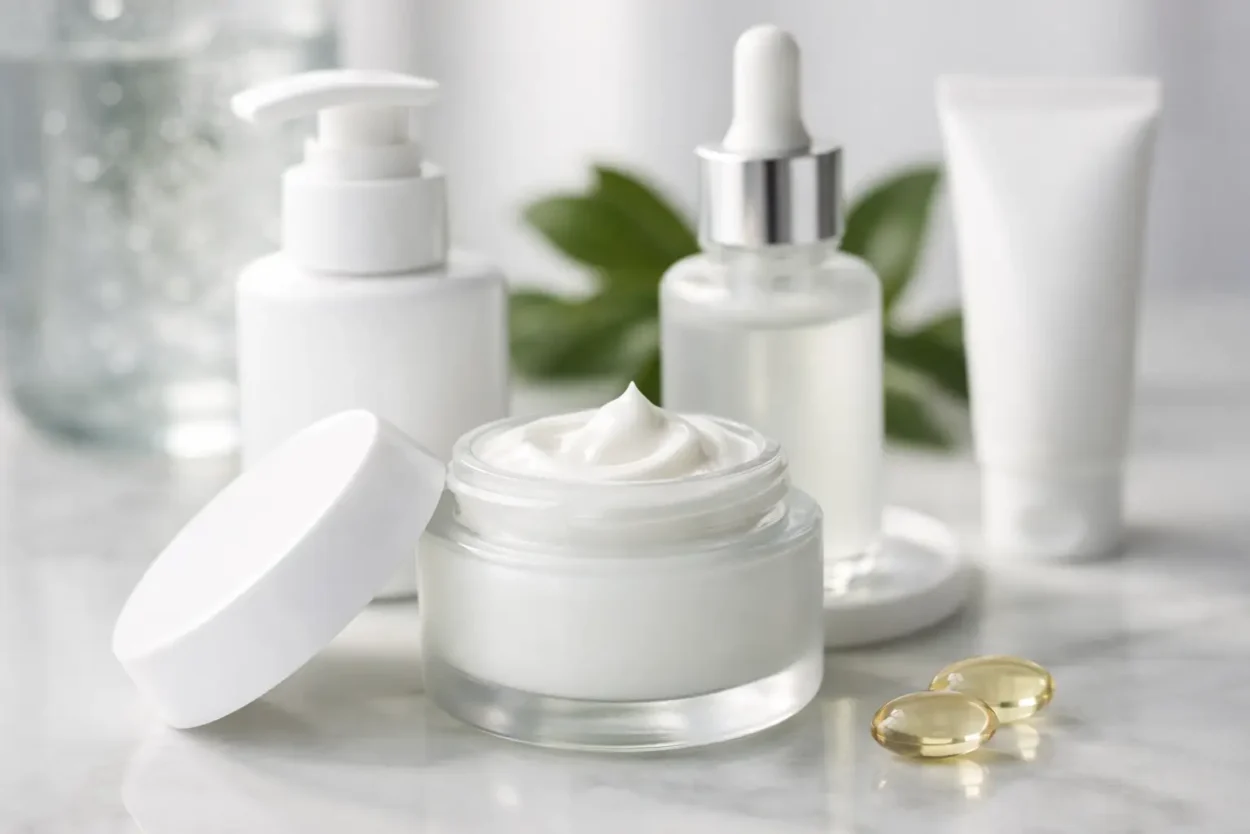
Ceramide Moisturizer Review: What’s Worth Buying?
A moisturizer can feel amazing for five minutes and still leave your skin tight by lunchtime. That is why a good ceramide moisturizer review matters more than a pretty jar, a viral label, or a promise to “repair” everything overnight.
Ceramides have become one of the most trusted skincare ingredients for dry, sensitive, and overworked skin, and for good reason. They help support the skin barrier, which is the layer responsible for keeping water in and irritants out. When that barrier is stressed from weather, over-exfoliating, retinoids, acne treatments, or just naturally dry skin, a ceramide moisturizer can make a visible difference. The catch is that not every formula performs the same way.
Ceramide moisturizer review: what ceramides actually do
Ceramides are lipids that naturally exist in your skin. Think of them as part of the “glue” that helps hold skin cells together. When your ceramide levels are low, skin can feel rough, sting more easily, and lose moisture faster.
A moisturizer with ceramides is designed to help reinforce that barrier. In real life, that usually means less flaking, less tightness after cleansing, and a smoother feel over time. It can also help make strong active ingredients more tolerable. If your skin gets irritated from retinol or acids, a ceramide-rich cream often works best as the calming step that keeps your routine balanced.
Still, ceramides are not magic on their own. A formula usually works best when ceramides are paired with humectants like glycerin or hyaluronic acid and with occlusive ingredients that help seal moisture in. That is why two moisturizers can both say “with ceramides” and perform very differently on the face.
What to look for in a ceramide moisturizer review
If you are trying to shop smarter, ignore the marketing first and look at how the product behaves. The most useful ceramide moisturizer review should tell you four things: texture, finish, skin type match, and whether the formula includes other barrier-friendly ingredients.
Texture matters more than people think. A rich cream may feel comforting on very dry skin but too heavy for oily or acne-prone skin. A lightweight lotion might layer beautifully under sunscreen and makeup but may not be enough for winter or a damaged barrier.
Finish is just as important. Some ceramide moisturizers leave a soft, natural finish. Others stay glossy, which can be great at night but frustrating during the day. If you wear foundation, a moisturizer that pills or stays tacky can ruin the whole routine.
Then there is formula support. Ceramides work especially well with ingredients like cholesterol, fatty acids, glycerin, squalane, niacinamide, and panthenol. On the other hand, fragrance-heavy products can be hit or miss for sensitive skin. “It depends” is the honest answer here. Fragrance is not automatically bad, but if your skin is already reactive, bland is often better.
The types of ceramide moisturizers that tend to perform best
The best formulas usually fall into a few clear categories.
Cream-based ceramide moisturizers are the classic choice for dry or compromised skin. They often feel cushiony, reduce that tight feeling quickly, and work well at night. These are usually the safest bet if your skin barrier is in rough shape.
Gel-cream ceramide moisturizers are better for combination or oily skin. They can still support the barrier without leaving a greasy film. The trade-off is that some feel more elegant at first but are less protective in colder weather.
Lotion formulas are the middle ground. They are often easy to use year-round and suit normal to combination skin well. If you want one moisturizer for both morning and night, this category is often the most practical.
Balm-style products are more niche. They can be excellent for very dry patches or post-treatment skin, but they are not always ideal as an all-over daytime face cream unless your skin is extremely dry.
What a good ceramide moisturizer feels like on the skin
A solid formula should make your skin feel calmer, not just coated. Right after applying, you want comfort without heaviness and hydration without that suffocating waxy feeling.
Over a week or two, the bigger signs are less redness from dryness, less flaking around the nose or mouth, and better tolerance for the rest of your routine. If your skin still feels dehydrated soon after application, the product may be too light. If you wake up greasy or notice clogged pores, it may be too rich.
This is where reviews are most helpful. One person’s “deeply nourishing” is another person’s “way too much for my T-zone.” Skin type changes the experience.
Best skin type matches
Dry skin usually does best with a richer ceramide cream, especially one that includes cholesterol, fatty acids, or shea butter. These formulas tend to create the most lasting comfort.
Sensitive skin often benefits from short ingredient lists, fragrance-free formulas, and creams designed around barrier repair. If your skin stings easily, look for a product that feels boring in the best way possible.
Combination skin usually needs balance. A lotion or gel-cream with ceramides can hydrate the cheeks without overwhelming the forehead and nose. In colder months, you may still want a richer option at night.
Oily or acne-prone skin can absolutely use ceramide moisturizers. In fact, many people dealing with acne accidentally damage their skin barrier by over-cleansing or overusing active treatments. The key is choosing a lightweight, non-greasy formula instead of assuming all barrier creams will clog pores.
Common mistakes that make a ceramide moisturizer seem bad
Sometimes the moisturizer is fine. The routine around it is the issue.
Applying too little is one common problem. If your skin is very dry, a tiny dab may not be enough. Applying on slightly damp skin can also help the product hold onto water better.
Using harsh cleansers can cancel out the benefits. If your face wash leaves your skin squeaky or tight, even a good ceramide cream has to work harder. The same goes for stacking too many exfoliating acids, scrubs, or strong acne products.
Expecting instant transformation is another setup for disappointment. A ceramide moisturizer can make skin feel better quickly, but visible barrier recovery often takes consistent use. It is usually more of a steady improvement than a dramatic overnight fix.
Is a ceramide moisturizer worth the money?
Usually, yes, but not always at luxury prices.
Ceramides are one of those ingredients that show up in both drugstore and prestige skincare, and the expensive version is not automatically better. A well-formulated affordable moisturizer can perform extremely well if it has a balanced ingredient mix and a texture that suits your skin.
What you are really paying for beyond the basic formula is often packaging, brand positioning, scent, and cosmetic elegance. Those things can matter if you want a moisturizer that feels lovely every time you use it, but they do not guarantee better barrier support.
If your top priority is repair and comfort, value usually comes down to ingredient support, size, and how consistently you will use it. A modestly priced cream you finish is more useful than a luxury one you avoid because it feels too rich, too scented, or too precious.
Who should skip a ceramide moisturizer?
Most people can benefit from ceramides, but not every product labeled as a ceramide moisturizer will suit every person.
If you strongly dislike creamy textures, a heavy formula may sit on your skin in a way that feels unpleasant. If you are acne-prone, very rich products with lots of occlusive ingredients may not be your favorite, even if they help with dryness. And if your skin is already balanced and you prefer ultralight hydration, you may want a gel-cream instead of a barrier cream marketed for intense repair.
It is also worth checking the full ingredient list if you know you react to fragrance, essential oils, or certain preservatives. Ceramides can be a great feature in a formula, but they do not cancel out ingredients your skin personally hates.
Final verdict on any ceramide moisturizer review
The best ceramide moisturizer is not the one with the loudest claims. It is the one that makes your skin feel consistently calmer, softer, and less reactive without creating new problems.
If your skin is dry, sensitive, or stressed from active ingredients, ceramides are absolutely worth looking for. If your skin is oily or combination, they can still be a smart choice as long as the texture is right. A good review should help you match the formula to your actual routine, not just tell you that ceramides are trendy.
When in doubt, choose the moisturizer that respects your skin barrier first. Glowy packaging is fun, but comfortable skin is better.


Comments are closed.