
Learn the seven most common homemade bread mistakes and discover practical solutions to achieve perfect, delicious results every time. From flour selection to proper cooling techniques, master the art of baking bread at home.
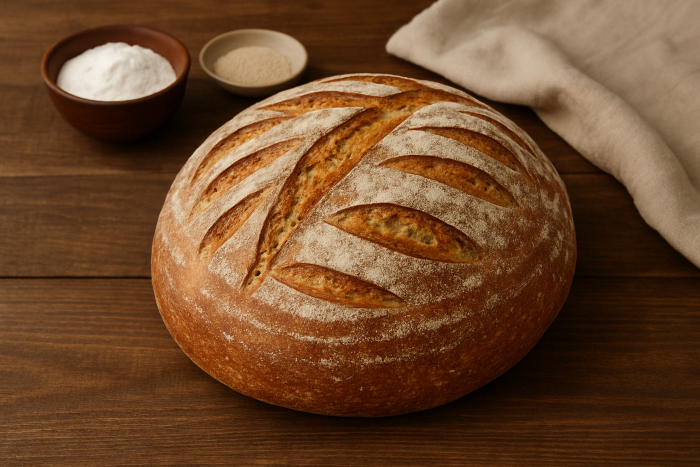
7 Common Homemade Bread Mistakes and How to Avoid Them
Homemade bread has a special charm: authentic flavor, simple ingredients, no additives, and the joy of knowing you made it with your own hands. Yet, as simple as it may seem at first glance, there are several pitfalls you can fall into if you don't pay attention to details.
In this article, we'll show you the most common mistakes when making homemade bread and how to avoid them, so your results are always delicious and successful.
1. Choosing the Wrong Type of Flour
Flour is the main ingredient in any bread recipe, and your choice influences the texture, taste, and final appearance of your loaf.
➡️ All-purpose white flour (650 or 550 type) has high gluten content and is ideal for classic bread.
➡️ Whole wheat or rye flour has less gluten and can give a denser texture.
➡️ Spelt or hard wheat flour requires adjustments to water quantity and kneading time.
Solution: If you want fluffy bread, use flour with higher gluten content or mix whole wheat flour with all-purpose flour.
2. Yeast Isn't Activated Correctly
Yeast is responsible for dough rising. If it's not activated properly, your bread won't rise as it should.
➡️ Dry yeast needs to be hydrated in warm water (30-40°C) with a little sugar.
➡️ Fresh yeast dissolves in room temperature water.
➡️ If the water is too hot, it kills the yeast. If it's too cold, activation will be slow or nonexistent.
Solution: Check if the yeast froths after 10 minutes of hydration — this is a sign it's active.
3. Insufficient or Excessive Kneading of the Dough
Kneading develops the gluten network, essential for the elastic and airy texture of bread.
➡️ If you knead too little, the dough won't have elasticity and the bread will turn out dense.
➡️ If you knead too much, especially with a mixer or food processor, the gluten can become overstretched and fragile.
Solution: The "windowpane test" — stretch a small piece of dough between your fingers. If you can form a thin membrane without it tearing, you've kneaded enough.
4. Rising in Improper Conditions
Rising is the stage where the dough doubles in volume. If rising is too short or too long, the result can be bread with a sour taste or overly dense texture.
➡️ Optimal temperature for rising: 24-28°C.
➡️ At too-low temperatures, rising is slow. At too-high temperatures, yeast dies.
Solution: Cover the dough with plastic wrap or a damp towel and let it rise in a place sheltered from drafts.
5. Incorrect Baking
Bread needs a well-preheated oven to bake evenly and get a crispy crust.
➡️ Oven temperature should be between 220-250°C for the first 15 minutes, then can be reduced to 180-200°C.
➡️ Steam helps form the crust — if your oven doesn't have a steam function, place a bowl of water inside.
Solution: Preheat your oven for at least 20 minutes before putting the bread in and use a baking stone or heavy baking sheet.
6. Cutting the Bread Too Early
Even though the smell of fresh-baked bread is tempting, don't rush to slice it right away.
➡️ Bread continues to cook and stabilize even after you remove it from the oven.
➡️ Cutting too early leads to a gummy and sticky interior texture.
Solution: Let the bread cool completely on a rack for at least 1 hour.
7. Other Common Mistakes and Useful Tips
- Too much salt can stop yeast growth. Follow the proportion in the recipe.
- Adding too many seeds or nuts can weigh down the dough. Try adding extras after the first rise.
- Not paying attention to measurements — weigh ingredients precisely, especially flour and water.
Frequently Asked Questions About Homemade Bread
Why is my bread too dense and doesn't rise enough?
Most often, the problem is improper kneading, insufficient rising, or inactive yeast.
Can I use whole wheat flour for any type of bread?
Yes, but adjust the water quantity and rising time, because whole wheat flour absorbs more liquid.
How do I get a crispy crust if I don't have a steam oven?
Place a bowl of water in the oven or spray water on the walls during the first 10 minutes of baking.
Why does my dough collapse after rising?
You may have overproofed it or moved it before baking. Follow the rising times in the recipe carefully.
Can I reduce the salt in the recipe?
You can, but don't eliminate salt completely, as it plays a role in controlling fermentation and flavor.
Conclusion
Making homemade bread is a deeply rewarding experience, but it requires patience and attention to detail. Once you know the common mistakes and how to avoid them, each loaf you bake will get better and better. Don't get discouraged if your first attempts aren't perfect — every batch of dough is a lesson and an opportunity to learn something new.
If you found the article useful, you might also enjoy reading: Master Basic Doughs: Essential Recipes for Bread, Pies, and Pizza


Comments are closed.