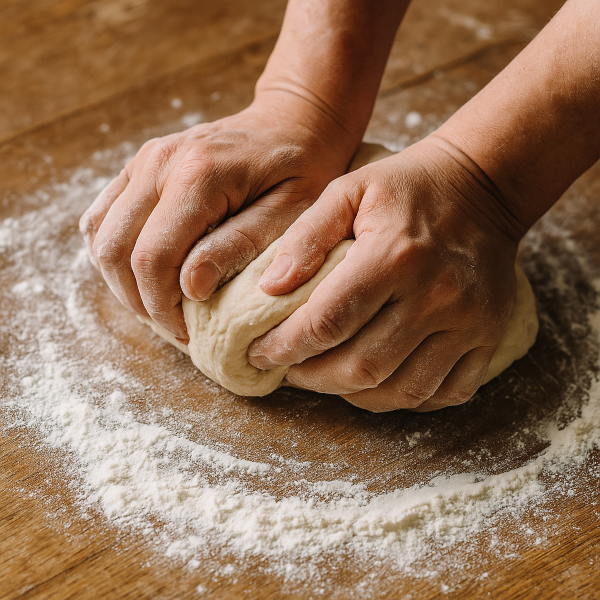
Discover practical and waste-free cooking tips for one person. Learn meal planning, simple recipes, and cost-saving strategies to enjoy healthy, sustainable home-cooked meals.
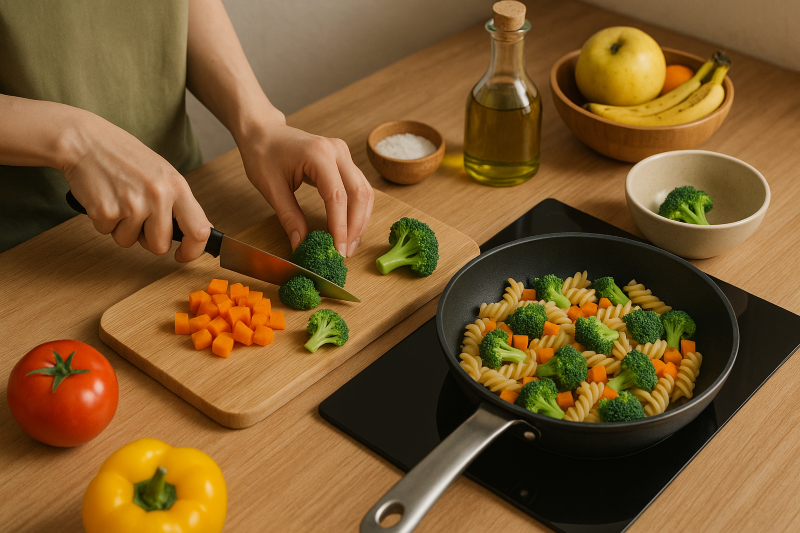
Cooking for One Person: Practical Waste-Free Ideas and Budget-Friendly Recipes
Cooking for one person might seem challenging, but it’s an excellent opportunity to explore culinary creativity, save money, and reduce food waste. In a world where time and resources are often limited, cooking at home has become an increasingly popular choice. This practice not only improves health but also contributes to environmental sustainability.
The Benefits of Cooking at Home
Home cooking brings numerous benefits, including ingredient control, money savings, and improved health. When we cook at home, we have the opportunity to choose fresh, quality ingredients while avoiding additives and preservatives found in processed foods. Additionally, preparing meals at home is often cheaper than eating out, which can lead to significant long-term savings.
Cooking for one person helps reduce food waste, an essential aspect in today’s sustainability context. Many purchased foods can spoil before being consumed, but through meal planning and cooking appropriate portions, we can minimize losses. For example, by using versatile ingredients and saving leftovers, we can transform every meal into an opportunity to consume everything we’ve bought.
Meal Planning
Meal planning is an essential step for cooking efficiently for one person. It not only helps us save time but also organize our resources better.
Creating a Weekly Menu
Creating a weekly menu might seem like a difficult task, but it’s a valuable tool. It allows us to think about the meals we want to eat, choose recipes that use similar ingredients, and avoid impulse purchases. For example, we can decide to prepare a soup that can be eaten for lunch and dinner, thus saving time and resources.
An Efficient Shopping List
A well-organized shopping list is key to avoiding food waste. It helps us buy only what we need for planned meals, thus reducing the possibility of purchasing unnecessary items. Additionally, it’s useful to focus on seasonal ingredients, which are often cheaper and fresher.
Simple and Quick Recipes
When cooking for one person, it’s important to have simple and quick recipes at hand. These not only save us time but are also easy to adapt according to culinary preferences.
A Healthy Breakfast
A healthy breakfast can include a smoothie with fresh fruits, yogurt, and a little granola. Additionally, boiled eggs or an omelet with vegetables are quick and nutritious options. These meals don’t require much preparation time and provide the energy needed to start the day.
Light Lunches
For lunch, a salad with quinoa, fresh vegetables, and a protein source, such as chicken or tuna, can be an excellent choice. This can be prepared in advance and stored in the refrigerator for a few days. Another option is a wrap with vegetables and hummus, which is easy to transport and delicious.
Delicious Dinner
For dinner, a simple pasta recipe with tomato sauce and basil can be prepared quickly. Adding roasted vegetables or a protein source, such as tofu or meat, can transform this dish into a feast. Additionally, soups are an excellent choice, being easy to prepare and very satisfying.
Using Ingredients Efficiently
Maximizing ingredient use is essential when cooking for one person. It helps us save money and reduce waste.
Versatile Ingredients
Choosing versatile ingredients is an efficient strategy. For example, a vegetable like zucchini can be used in salads, soups, or as a side dish. Additionally, whole grains, such as rice or quinoa, can be used in various dishes, from salads to hot preparations.
Storing Leftovers
Saving leftovers is another effective way to reduce waste. Food left over from one meal can be used to create a new dish. For example, leftover roasted vegetables can be added to an omelet or soup. It’s important to get used to thinking creatively and making the most of every ingredient.
Cooking in Small Portions
Cooking in small portions is a useful technique to avoid waste and adapt to individual needs.
Cooking Techniques for One Person
There are various cooking techniques that work perfectly for one person. For example, steaming or pan-frying are quick and healthy methods. Additionally, oven baking can be an excellent option to get delicious meals without much effort.
Using Cooking Appliances
Cooking appliances, such as a pressure cooker or slow cooker, can make cooking for one person much easier. They allow for the preparation of complex meals without requiring much supervision time, ideal for those with a busy schedule.
Reducing Costs
Cooking for one person can help reduce costs, making it an economical choice.
Comparing Prices
When shopping, it’s important to compare prices and look for deals. Many supermarkets offer discounts on seasonal products or foods approaching their expiration dates. This can help us save money and fill our pantry with quality food.
Seasonal Cooking
Cooking with seasonal ingredients is not only more economical but also tastier. Seasonal fruits and vegetables are often fresher and more nutrient-rich. For example, by cooking with fresh tomatoes in summer or pumpkin in autumn, we can benefit from the best flavors and prices.
Conclusion
Cooking for one person is not just a way to save money, but also an opportunity to explore new recipes and adopt healthy habits. Through meal planning, efficient ingredient use, and waste reduction, we can transform cooking into a pleasant and sustainable experience.
We encourage our readers to take on the challenge of cooking at home, experiment with new recipes, and enjoy the benefits of cooking for one person. Every meal can become an opportunity to create something special without compromising your budget or health.