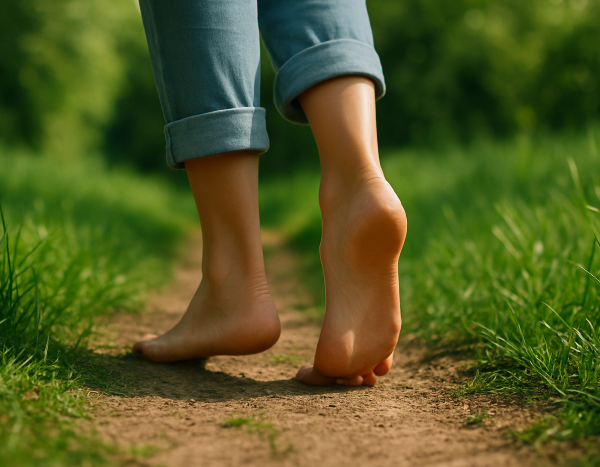
Stay fit without expensive gym memberships or equipment. Discover simple bodyweight exercises you can do at home in just 15-20 minutes, with progressions for all fitness levels.
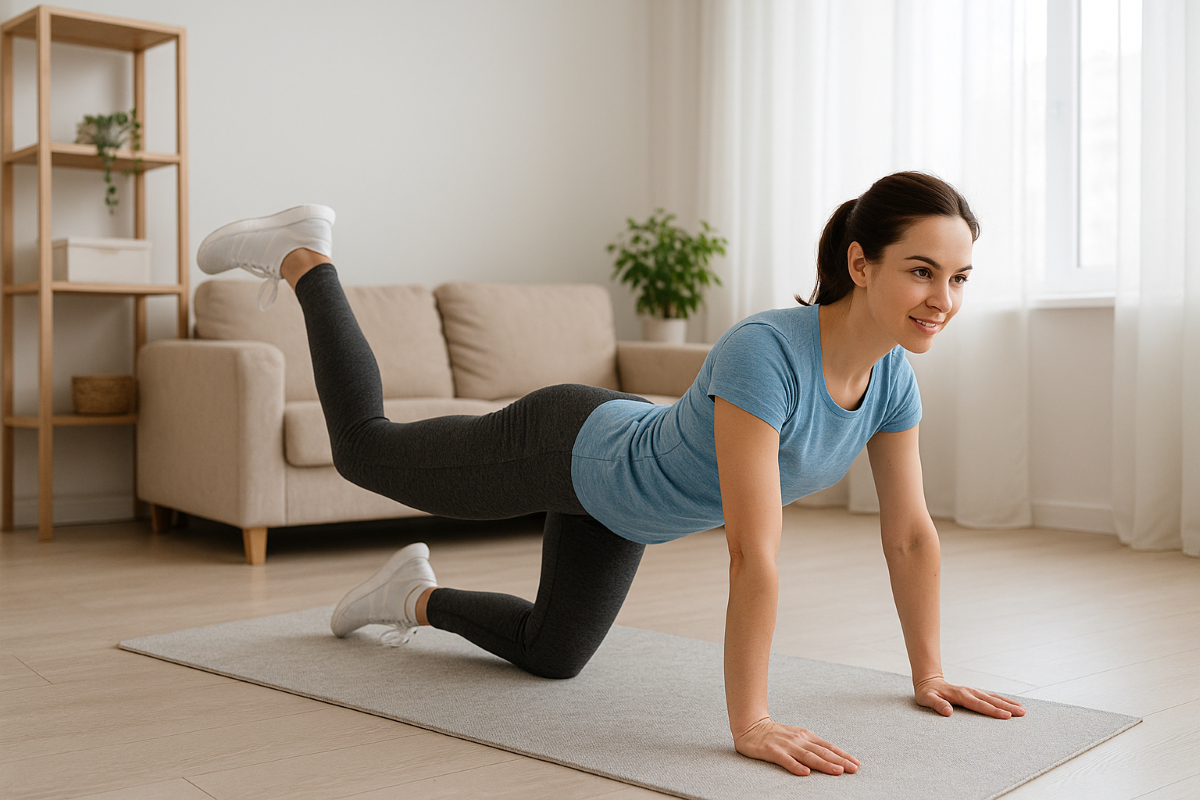
No-Equipment Home Workouts: Simple Exercises You Can Do Anywhere
Many people want to stay active and exercise, but face barriers: expensive gym memberships, equipment, time, space, and more. The good news is you don’t need any of that to move effectively. There are countless exercises and routines you can do using just your body weight (“bodyweight exercises”) and a small space, whether at home or in a park.
Why Choose Equipment-Free Exercises?
- Low cost — no investment in memberships or machines.
- Flexibility — do them anytime: morning, evening, during a break.
- Perfect for beginners or times with limited resources.
- Multiple benefits: strength, mobility, posture, overall health. Fitness experts recommend bodyweight exercises precisely for these situations.
The Most Popular Exercise Types and Tips
We analyzed what people searched for over the past year regarding home exercises without equipment, and here are the topics that appear most frequently:
- Short workouts, 10–15 minutes — people want something that doesn’t take much time, but delivers results.
- Circuit + adapted HIIT — combinations of exercises that raise heart rate, burn calories, but still require no equipment.
- Core / abdominal exercises — planks, dead bugs, leg raises, etc.
- Lower body exercises — squats, lunges, calf raises, glute bridges.
- Mobility / stretching / gentle exercises — for those who sit a lot, have back pain, or low fitness levels.
- Alternating between easier and more intense exercises for adaptability (intervals).
Simple Exercises You Can Do at Home
Here’s a list of equipment-free exercises with guidance for beginners. Combine them for a 10-30 minute routine.
| Exercise | Main Muscles | Variations for Beginners / Advanced |
|---|---|---|
| Squats | thighs, glutes, lower back | Start with regular squats, then add jump squats if you want more intensity. |
| Lunges | thighs, glutes, balance | Begin statically (step to one side, return), then progress to walking lunges or plyometric variations. |
| Glute Bridge | glutes, lower back, thighs | You can lift one leg for an advanced variation; maintain tension. |
| Push-ups | chest, triceps, shoulders, core | If you can’t do full body push-ups at first, do knee push-ups or incline push-ups against a surface. |
| Plank | abdomen, back, stability | Front plank; then side planks; you can start with 20-30 seconds and increase. |
| Superman | back, shoulders, glutes | Raise both arms and legs simultaneously, keeping your lower back engaged. |
| Jumping Jacks / High Knees | cardio, heart rate, mobility | Start slower, then increase the pace. |
| Burpees | full body, cardio + strength | Can be very demanding — reduce range of motion if it’s too hard. |
| Calf Raises | calves | You can do them on a step for greater range of motion. |
| Stretching / Mobility: forward bends, back extensions, leg and hip stretches | for relaxation, injury prevention, mobility | Very useful at the beginning and end of workouts. |
Sample Routine
Here’s a simple beginner routine, 3 sessions per week, ~20 minutes:
- Warm-up (5 minutes): marching in place / knee raises / light jumping jacks
- Circuit (do 2-3 rounds):
- Squats x 15
- Front plank x 30 seconds
- Lunges (alternating legs) x 12 per side
- Push-ups (or knee push-ups) x 10
- Superman x 12
- Calf raises x 20
- Cool-down / stretching (5 minutes): stretches for thighs, calves, back, shoulders
As you get stronger, you can shorten rest periods, increase repetitions, or add an extra round.
Tips for Consistency and Safety
- Create a clean space with enough room to move, avoiding objects that might get in the way or cause injury.
- Do exercises with proper form — better to do fewer correctly than many poorly.
- Listen to your body — if you feel pain (not just discomfort), stop or adjust the exercise.
- Set small, achievable goals, like “3 times a week for 20 minutes.” Then you can increase.
- Track your progress: how long you can hold a plank, how many reps you do, etc. This motivates you.
- Include rest between sessions — your body needs to recover, especially if you work hard.
Outdoor Alternatives and Free Spaces
Besides home exercises, you can use:
- Parks: many have workout zones, simple equipment, open spaces.
- Special spaces in your city — sports fields, outdoor fitness equipment areas, running trails.
- Calisthenics parks / “street workout”: pull-up bars, parallel bars, spaces where communities do bodyweight exercises, free of charge. This trend has grown a lot because it offers basic outdoor equipment and freedom of movement.
- Walking or running in green areas, around town — zero cost, huge benefits for your cardiovascular system.
Conclusion
Even without gym access or expensive equipment, you can stay active, improve your health, build strength and mobility. The key is simplicity + consistency. Choose simple exercises, adapt them to your level, do them regularly, and you’ll see results — better than if you start intense and quit.