
Discover how to find the perfect wireless bra that actually feels comfortable. Learn about sizing, materials, cup construction, and avoid common fitting mistakes for all-day support and confidence.
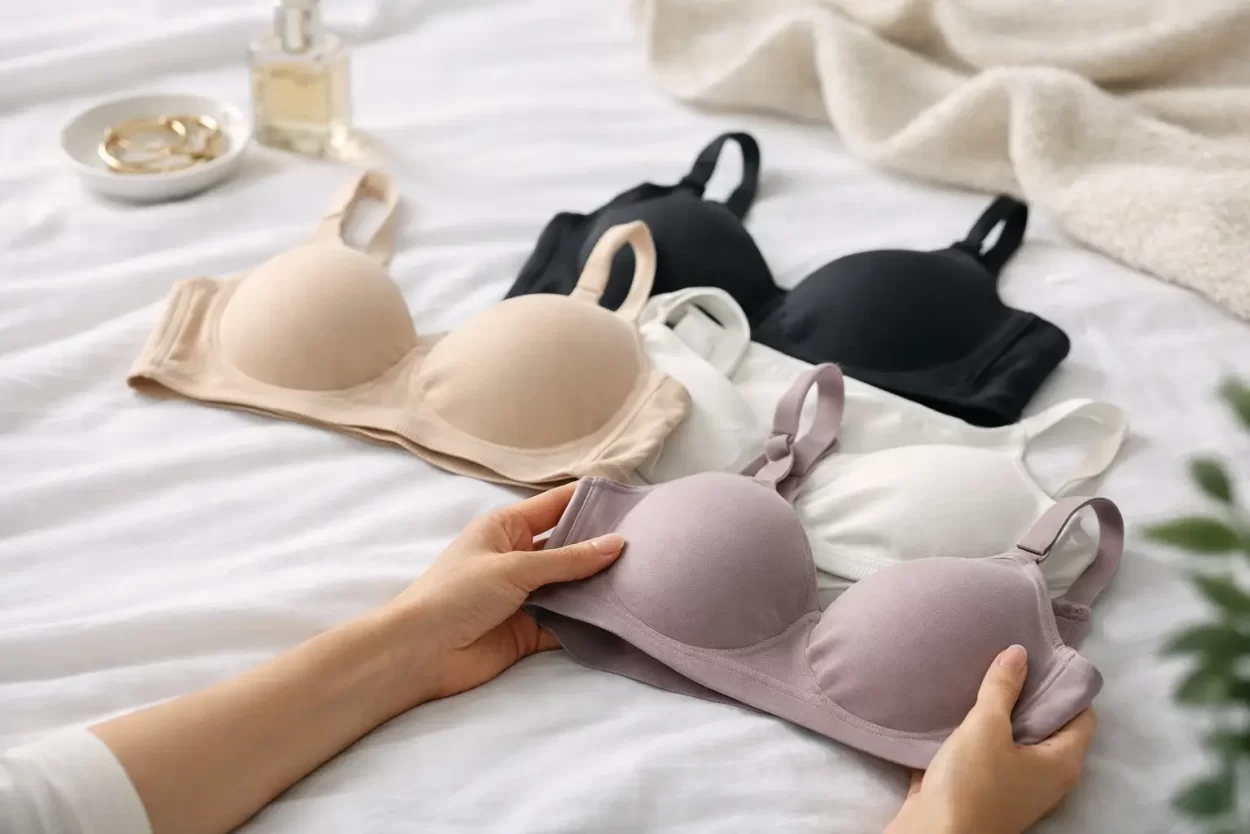
How to Choose a Comfortable Wireless Bra: The Complete Guide
If you find yourself taking off your bra the moment you walk through the door, the problem isn't necessarily wearing one. More often than not, it's simply the wrong style. A well-chosen wireless bra can offer support, look great under clothes, and most importantly, keep you comfortable throughout the day.
Wireless bras have come a long way. They're no longer just soft loungewear pieces. Today you'll find options for the office, evenings out, fuller busts, and fitted looks. The secret lies in making the right choice, not just in what the label promises.
How to Choose a Comfortable Wireless Bra Without Mistakes
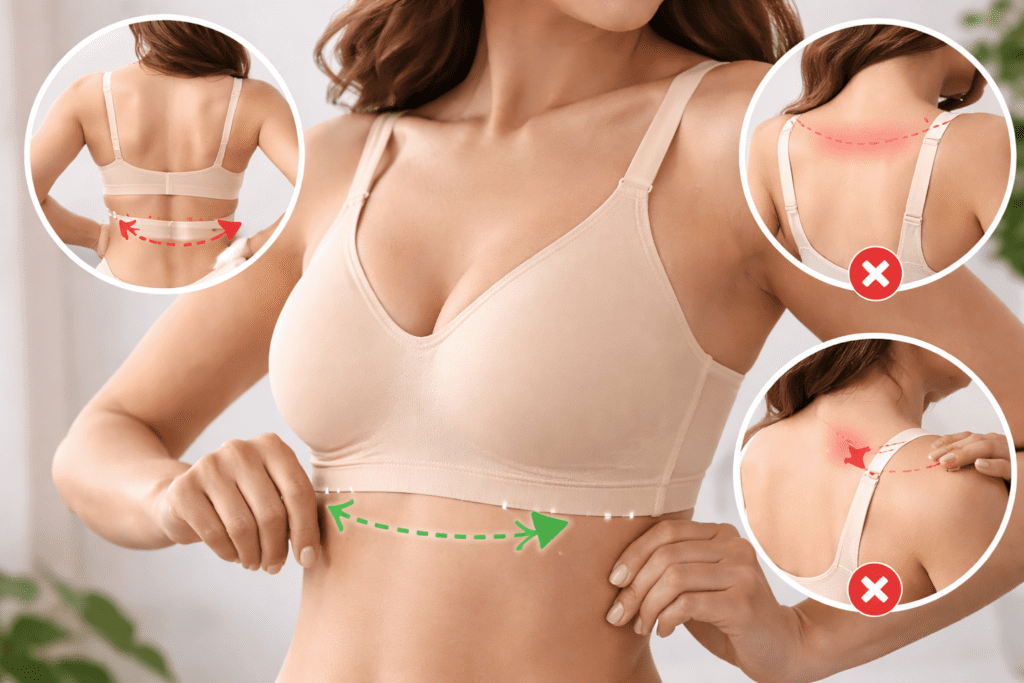
The first thing worth checking is your actual size. Many women wear the wrong size for years and compensate with overly tight straps or cups that don't sit properly. With a wireless bra, size matters even more, because support comes not from underwiring but from material construction, the underband, and cup shape.
The underband should sit snugly but not cut off circulation. If it rides up at the back, the bra is too loose. If it's so tight it leaves painful marks after a short time, it's too small. Straps should complement the support, not do all the work. If you feel all the weight resting on your shoulders, the model you've chosen isn't right for you.
With cups, look for a shape that encompasses your bust without gaps and without pressing uncomfortably. A comfortable bra shouldn't create creases on your blouse fabric or push your bust out of the cups. It sounds simple, but this is where most sizing mistakes happen.
What Matters More Than the Lack of Underwire
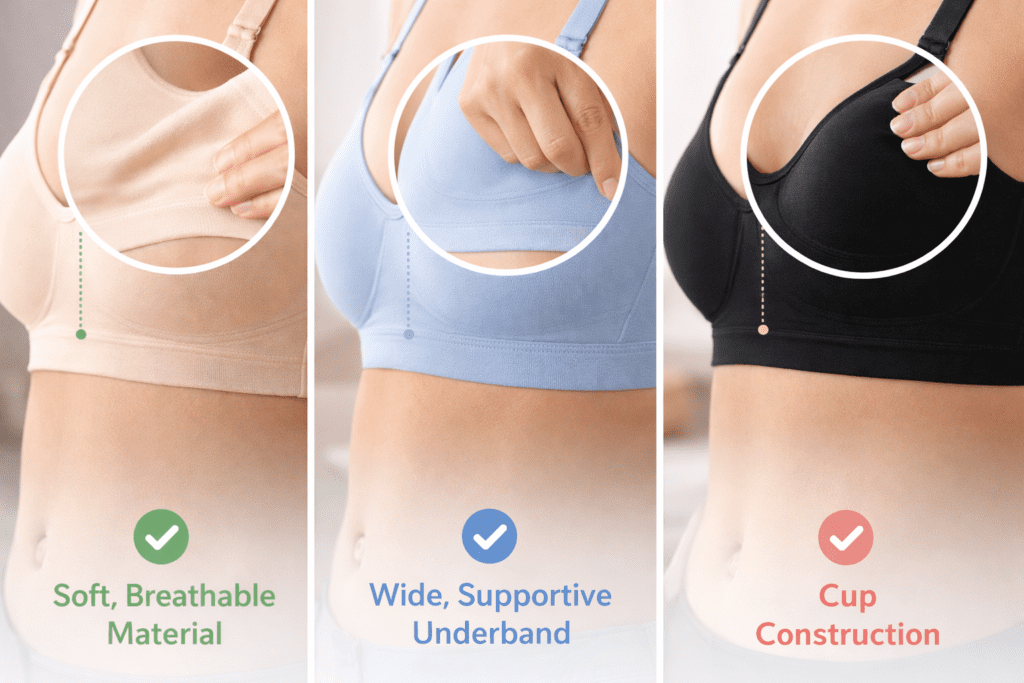
The fact that a bra has no underwire doesn't automatically guarantee comfort. Sometimes a poorly constructed wireless model can be more uncomfortable than a well-made traditional one. That's why it's worth paying attention to a few practical details.
Material is one of them. For daily wear, soft, elastic, and breathable fabrics are more pleasant, such as cotton with a touch of elastane, fine microfiber, or blends that don't irritate skin. If you perspire easily or wear your bra for many hours, material matters enormously. Lace can look beautiful, but if it's rigid or sewn in sensitive areas, it quickly becomes bothersome.
The second important piece is the underband. In wireless models, it carries much of the support. A wider band usually offers more comfort and stability, especially for medium to larger busts. If you want a bra for all day wear, don't just look at cup design. Pay close attention to the base of the bra.
Cup construction also matters. Preformed cups can offer a rounder, smoother appearance under t-shirts, while soft cups are more flexible and relaxed. There's no perfect option for everyone. If you want discretion under thin fabrics, lightly molded cups help. If priority is a sense of ease, a soft model might be the better choice.
Who Should Wear Wireless Bras
The useful truth is that almost anyone can wear a wireless bra, but not every style. If you have a small or medium bust, options are plentiful and generally easier to get right. If you have a larger bust, you shouldn't rule out this option, but look for models with a wide band, high sides, and well-structured cups.
For long days, office work, city outings, or spending time in the car, a wireless bra is often more body-friendly. On the other hand, for certain fitted outfits or a pronounced push-up effect, you might find that an underwired model offers more definition. It truly depends on what you're after.
How to Choose the Right Model Based on Your Needs
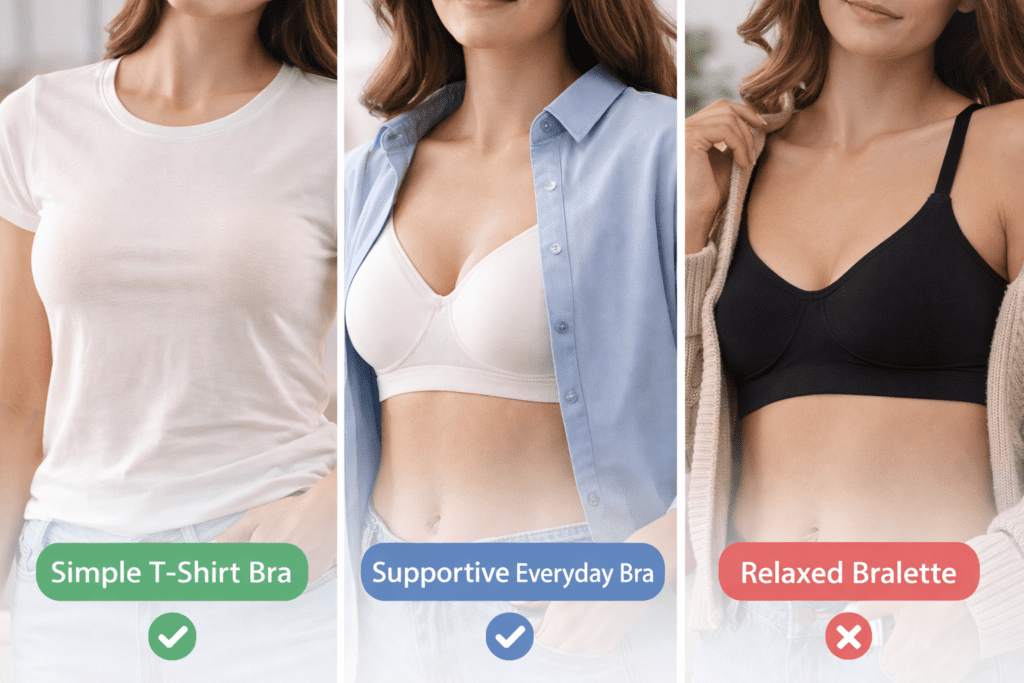
If you want a bra for daily wear, look for a simple, smooth model with minimal seams and breathable materials. This is the kind of piece you wear under a t-shirt, blouse, or sweater without thinking about it all day.
If you need better support, go for models with double cups, reinforced sides, and a classic back closure. Very soft bralettes are comfortable, but they don't always provide the stability you need outside the house. For fuller busts, the difference is noticeable right away.
For fitted outfits, choose a bra with no visible seams or finely cut edges. If you wear thin blouses, any rigid detail will show. For looser clothing, you can prioritize comfort over perfect visual effect.
For days when you're mostly at home or want extra relaxation, soft bralettes or bralette-style models may be enough. They're pleasant, but not all are suitable for intensive wear or long outings. Immediate comfort and long-term support aren't always the same thing.
Common Mistakes When Choosing a Wireless Bra
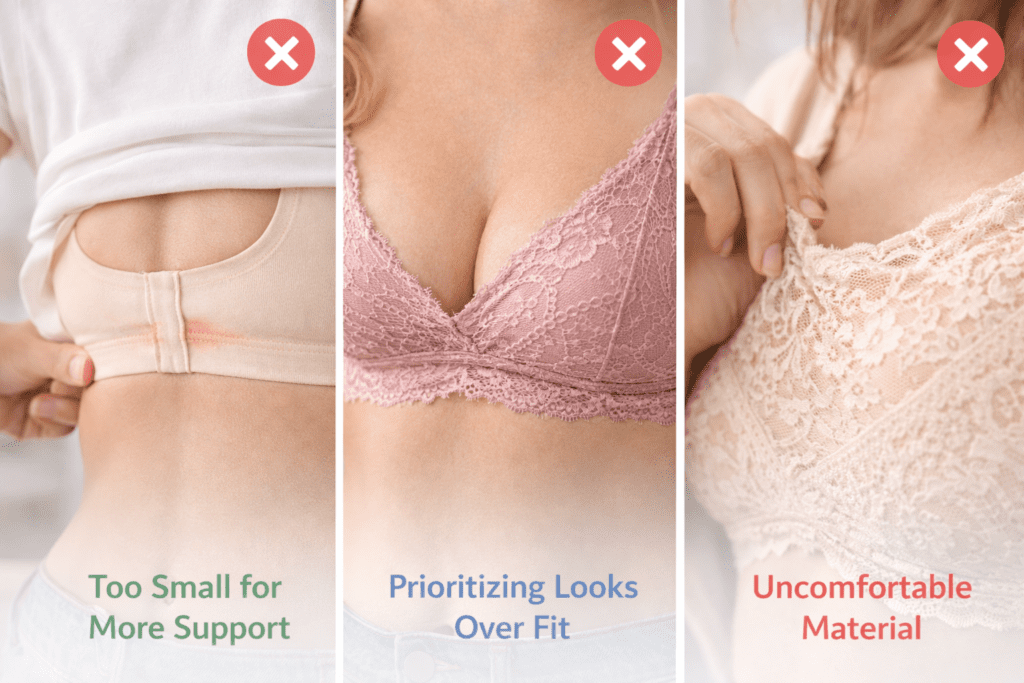
The most common mistake is choosing a smaller size just for more support. In reality, you'll get pressure, discomfort, and an unflattering appearance under clothes. Support comes from proper construction, not excessive tightness.
The second mistake is buying based on appearance rather than fit. A beautiful model on a hanger might not make sense for your body at all. If you have a fuller bust, a thin and delicate bralette might look good in a photo but be completely impractical.
People often ignore material too. A bra worn 10-12 hours a day needs to be comfortable against your skin, not just visually pleasing. If it bothers you after the first 30 minutes, it won't magically transform into a comfortable model after a few wears.
Signs You've Found the Right Bra
A well-chosen wireless bra stays in place without slipping, doesn't ride up at the back, and doesn't need adjusting every hour. Your bust is naturally supported without a pressing sensation. Straps don't dig into your shoulders, and the underband doesn't make you want to loosen it after lunch.
Under clothes, the line should be clean. You don't necessarily need a push-up effect to look good. Often, a natural contour and proper fit are exactly what you need for a polished, comfortable look.
How to Choose a Comfortable Wireless Bra Online
Online shopping is convenient, but it comes with a clear risk: you can't try it on first. That's why it's important to carefully check the size chart, material descriptions, and the type of support promised. If you see vague wording and very few details, that's a sign to be more cautious.
Look at strap width, cup type, and how wide the underband is. These details tell you more about comfort than promotional photos. If a model is described as very soft, very loose, and bralette-style, don't expect strong support.
Start with what you already know works for you. If you have a comfortable bra at home, compare the cup type, closure system, and material composition. This reduces the chances of choosing a bra that looks great on screen but doesn't work in real life.
When It's Worth Investing More
Not every expensive bra is automatically better, but with wireless models, construction quality is felt quickly. Better materials, clean seams, and elastic that doesn't deform after a few washes matter. If you often wear this type of bra, it's worth investing in 2-3 quality pieces rather than many options that become uncomfortable or lose their shape quickly.
Think of this choice as an everyday essential, not a luxury. A comfortable bra influences your posture, well-being, and how your clothes hang. It doesn't need to be theoretically perfect, just right for your body, your rhythm, and the hours you wear it.
Choose it as a piece meant to help you, not test you. If you forget you're wearing it after a few minutes, you're very close to the right choice.