Master the art of making perfect polenta with our comprehensive guide. Learn traditional recipes, expert tips to avoid lumps and burning, and creative serving ideas.
How to Make Polenta – Recipes and Tricks for Perfect Results Every Time
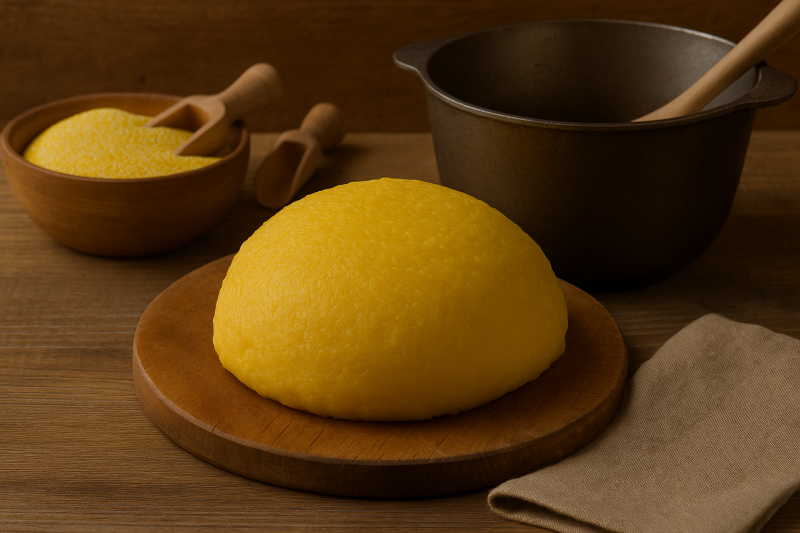
Polenta is one of the most beloved traditional dishes – simple, nourishing, and incredibly versatile. It can accompany cabbage rolls, roasts, cheese, fish, or be savored as a main course itself. Though it seems like a humble preparation, polenta has its secrets, and in this article we’ll show you everything you need to know to make it just like grandmother used to – no lumps, no burning, and with the perfect texture every time.
What Ingredients Do You Need for Polenta?
The basic recipe is extremely simple. You’ll need:
- Cornmeal – coarse or instant, depending on texture preference
- Water – the correct ratio makes all the difference
- Salt – added to water from the start
Optionally, you can add butter, sour cream, or milk for a creamier and richer polenta.
Types of Cornmeal for Polenta
The first step toward successful polenta is choosing the right type of cornmeal. They’re not all the same:
- Coarse cornmeal (granulated) – best suited for traditional polenta. It has larger granules and gives a slightly crumbly texture, perfect for slicing with string.
- Extra fine cornmeal (instant) – cooks quickly (3-5 minutes), but the texture is more like a cream. Good for those in a hurry.
- Organic cornmeal – intense corn flavor, made using traditional methods. Requires longer cooking (25-30 minutes).
- Corn flour (fine cornmeal) – more commonly used for baking or in Mexican cuisine. Not ideal for classic polenta, but works for creamy variations.
Recommendation: If you want polenta that tastes “homemade,” choose quality coarse cornmeal with no additives or premixes.
How Much Water Do You Need for Polenta?
The water-to-cornmeal ratio is the key to perfect texture. Depending on how soft or firm you want your polenta:
- Soft polenta (pourable): 1 cup cornmeal to 4 cups water
- Classic polenta (firm, sliceable with string): 1 cup cornmeal to 3 cups water
- Creamy polenta (with butter or sour cream): 1 cup cornmeal to 4.5–5 cups liquid
Tip: Always add a little salt to the water from the start and add the cornmeal gradually, in a thin rain-like stream, to avoid lumps.
How to Make Polenta Step by Step
Regardless of the recipe, the basic steps are the same:
- Bring water to a boil in a heavy-bottomed pot or cauldron. Add the salt.
- When the water is boiling, reduce heat to medium.
- Add the cornmeal gradually, in a thin rain-like stream, stirring continuously with a wooden spoon or whisk.
- Simmer over low heat for 15-20 minutes (or according to cornmeal type), stirring frequently.
- When the polenta pulls away from the sides of the pot and the surface becomes matte, it’s ready.
- Pour it out onto a wooden board or into a dish and let it set for 2-3 minutes.
Trick: If you want to firm it up more, leave it on the heat for another 5 minutes without a lid.
How Long Does Polenta Take to Cook?
Cooking time varies depending on the type of cornmeal:
- Instant cornmeal: 3–5 minutes
- Regular cornmeal (coarse): 15–20 minutes
- Traditional cornmeal (organic): 25–30 minutes
Always simmer over low heat after adding the cornmeal. Stir frequently – ideally constantly. Burned polenta has a bitter taste and can’t be saved.
Popular Polenta Recipes
Simple Polenta (Basic)
Ingredients:
- 1 cup coarse cornmeal
- 3 cups water
- 1 teaspoon salt
Instructions:
Bring the water with salt to a boil. When it’s boiling, add the cornmeal in a thin stream, stirring constantly. Simmer for 15–20 minutes until it thickens and pulls away from the sides of the pot.
Polenta with Butter
Ingredients:
- 1 cup cornmeal
- 3.5 cups water
- 1 teaspoon salt
- 50 g butter
Instructions:
Prepare the polenta as above, then stir in the butter at the end until it becomes creamy and glossy.
Polenta with Potatoes (Transylvanian Style)
Ingredients:
- 3 medium potatoes
- 1 cup cornmeal
- 3 cups water
- salt
Instructions:
Boil the diced potatoes in salted water. When almost cooked, add the cornmeal gradually and stir vigorously. You’ll get a denser polenta with a slightly sweet taste. Serve with traditional cheese or cured meat!
Polenta with Milk
A sweet and comforting variation, ideal for breakfast or a light dinner.
Ingredients:
- 1 cup fine cornmeal
- 4 cups milk
- 1 tablespoon sugar (optional)
- a pinch of salt
Instructions:
Heat the milk with salt (and sugar if desired). Add the cornmeal in a thin stream, stirring continuously, and simmer until it becomes a thick cream. Serve hot, with a spoonful of honey or jam.
Common Polenta Mistakes and How to Avoid Them
Even experienced cooks can end up with polenta that’s too firm, too soft, or full of lumps. Here’s what to avoid:
1. Adding cornmeal to cold water
A classic mistake. Always add the cornmeal to boiling water in a thin stream, stirring continuously. Otherwise you’ll form lumps that are impossible to break up.
2. Heat too high
On high heat, polenta burns on the bottom and stays raw in the middle. Simmer on low-medium heat and stir frequently.
3. Not stirring enough
Polenta needs attention. If you leave it unattended, it sticks to the pot or forms lumps. Stir regularly, especially at the beginning.
4. Too much water
If you’ve added too much water and the polenta is too soft, you can save it: continue simmering over low heat, stirring constantly, until the excess liquid reduces.
5. Not enough salt
Unsalted polenta is bland. Add salt to the water from the very beginning, not at the end.
What to Serve with Polenta
Polenta is incredibly versatile and pairs with almost anything:
- Classic: fresh cheese, sour cream, fried eggs, or cured meat
- Main courses: alongside cabbage rolls, stewed meat, or roasts
- With fish: polenta with fried fish is a traditional combination in the Danube Delta
- Baked: after cooking, transfer to a buttered ceramic dish and bake for 10-15 minutes for a golden crust
- Modern variations: as a base for rustic pizza or as a bread substitute
How to Store and Reheat Polenta
In the refrigerator: Polenta keeps in the fridge for up to 3 days, covered with plastic wrap or in sealed containers.
Reheating:
- Pan-frying: polenta slices fried in a little butter or oil become crispy on the outside and soft inside. Delicious!
- Microwave: 1-2 minutes on medium power, with a little butter on top
- Steaming: if you want it to stay soft, place the slices on a rack above boiling water, covered
What to do with leftover polenta?
- Pan-fried with egg and cheese – quick breakfast
- Polenta pudding with sweet cheese – a traditional dessert
- Polenta rolls filled with cheese and sour cream
FAQ – Frequently Asked Questions About Polenta
How do you make polenta without lumps?
The secret is to add the cornmeal to boiling water gradually, in a thin rain-like stream, stirring continuously with a whisk or wooden spoon. Don’t pour it all at once.
How much cornmeal per liter of water?
For classic polenta (firm), use 300–330 g of cornmeal per liter of water. For softer polenta, use 200–250 g per liter.
How do you know when polenta is done?
Polenta is done when it pulls away from the sides of the pot, the surface becomes matte (not shiny), and a toothpick inserted in the center comes out clean.
Can you make polenta in the microwave?
Yes! Mix 1 cup instant cornmeal with 3 cups salted water in a large bowl (polenta expands). Cook at full power for 5–6 minutes, stirring halfway through.
What’s the difference between polenta and mămăligă?
Italian polenta and Romanian mămăligă are essentially the same dish – cornmeal cooked in salted water. Polenta often uses finer cornmeal and is served creamier, sometimes with parmesan. Traditional mămăligă is firmer and more rustic.
How long does coarse cornmeal polenta take to cook?
Coarse cornmeal polenta simmers for 15–20 minutes over low heat, stirring frequently. Don’t rush the process – properly cooked polenta has a uniform texture and full flavor.
Conclusion
Polenta is more than just a simple dish – it’s part of culinary identity. Whether you prefer it simple with cheese, creamy with butter, or reinvented as pudding and rolls, it deserves a more frequent place on your table. With quality cornmeal, the right amount of water, and a little patience, you’ll always make polenta that gets a perfect score!
Articles you might be interested in: