
Learn how to plan Egypt trip the easy way, from timing and budget to visas, safety, transport, and must-see stops for a smoother getaway.
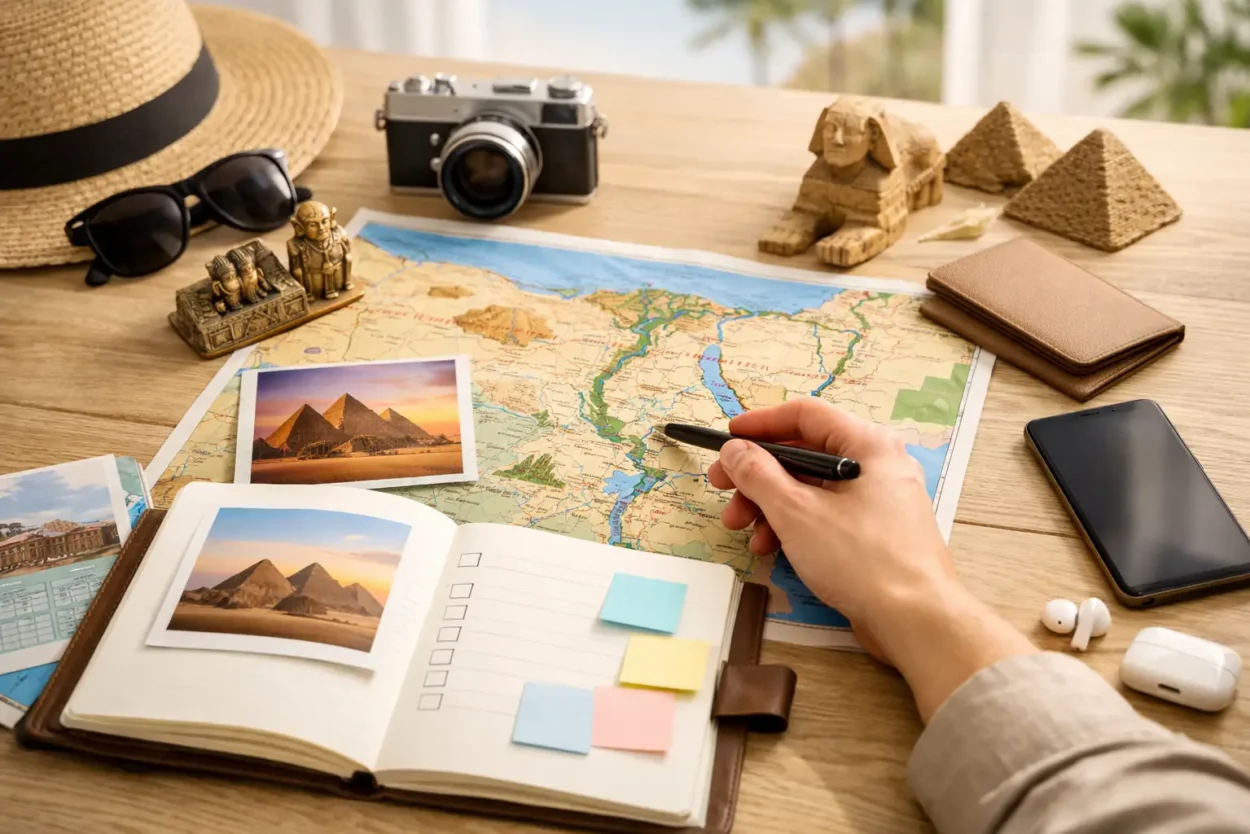
How to Plan Egypt Trip Without Stress
Cairo traffic, sunrise over the Nile, temple visits in desert heat, and a photo of the pyramids that somehow still does not prepare you for their size – Egypt is one of those trips that feels bigger in real life. If you are wondering how to plan Egypt trip details without getting overwhelmed, the key is to make a few smart choices early: when to go, how long to stay, what pace you want, and how much structure you need.
Egypt can be a dream trip for history lovers, couples, solo travelers, and families, but it is not the kind of destination where you want to just book a flight and improvise everything on arrival. A little planning goes a long way here. The good news is that once you understand the basics, building a practical itinerary is much easier than it looks.
How to plan Egypt trip timing and budget
Your first two decisions should be when to go and how much you want to spend. Those choices affect almost everything else, from hotel prices to how comfortable your sightseeing days feel.
For most travelers, the best time to visit Egypt is from October through April. Temperatures are more manageable, especially if you plan to see temples in Luxor and Aswan or spend long hours outdoors in Cairo and Giza. Summer can be cheaper, but it is also intensely hot. If you do not handle heat well, lower prices may not feel worth it by day three.
Budget-wise, Egypt offers a wide range. You can find affordable hotels, local meals, and domestic transport that keep costs reasonable, but private guides, upscale Nile cruises, and luxury stays can raise your total quickly. The easiest way to stay on track is to decide early whether this is a value-focused trip, a comfort-first trip, or a special-occasion splurge.
If you only have one week, keep your itinerary tight. Cairo, Giza, Luxor, and maybe Aswan are enough. If you have 10 to 12 days, you can move at a better pace and add a Nile cruise or some Red Sea beach time in Hurghada or Sharm El Sheikh. Trying to squeeze in everything usually backfires in Egypt because distances, traffic, and sightseeing fatigue are real.
Decide what kind of Egypt trip you want
This is where a lot of travelers get stuck. Egypt can be several different vacations at once, and you do not need to do all of them.
If your priority is ancient history, focus on Cairo, Giza, Luxor, and Aswan. This is the classic route and the best choice for first-timers who want pyramids, tombs, temples, and museums.
If you want history plus downtime, combine Cairo with a Nile cruise and a few beach days. That mix gives you iconic sights without turning the whole trip into a non-stop archaeology sprint.
If relaxation matters most, consider adding the Red Sea after your sightseeing. Egypt is famous for cultural landmarks, but its beach resorts are also a major draw. That said, if this is your first visit and you only have limited time, most people are happier prioritizing Cairo and Upper Egypt first.
Build a realistic itinerary
A smart Egypt itinerary is more about pacing than ambition. It is tempting to stack every day with major sites, but temple visits, transfers, early starts, and heat can wear you out fast.
A good 7-day first-timer route
A simple first trip often looks like this: two to three days in Cairo and Giza, then a flight or overnight train to Luxor, followed by two days in Luxor and one to two in Aswan. This gives you the headline experiences without constant relocation.
In Cairo and Giza, most travelers want the Pyramids of Giza, the Sphinx, and the Egyptian Museum or Grand Egyptian Museum depending on opening status and access during your travel dates. In Luxor, the big highlights are Karnak Temple, Luxor Temple, and the Valley of the Kings. In Aswan, Philae Temple and a felucca ride are popular choices, and some travelers add Abu Simbel as a day trip.
Should you take a Nile cruise?
If your budget allows it, a Nile cruise can simplify the middle of your trip. It combines transportation, lodging, and sightseeing in one package, and it can feel far less hectic than coordinating separate trains, drivers, and hotels. The trade-off is less flexibility. Some cruises move quickly, and included tours can feel a bit standardized.
Independent travel gives you more control, but it also requires more coordination. If you like planning and want freedom, it can work very well. If you want a smoother experience, especially on a first trip, a cruise or guided segment may be worth it.
Handle the practical details early
Once your route is set, move to the less glamorous but very important part of the process.
Check visa requirements for your passport well before departure. Many travelers can get an e-visa or visa on arrival, but rules can change, so verify current requirements before you book anything nonrefundable.
Flights between Cairo and Luxor or Aswan can save a lot of time. Egypt also has trains, including overnight options, but comfort levels vary. If your schedule is short, domestic flights usually make the trip easier. If you are trying to save money and do not mind a slower pace, train travel can work.
Choose hotels based on location, not just price. In Cairo, being in a convenient area can make your days much smoother because traffic is a serious factor. In Luxor and Aswan, river views can be lovely, but you should still check how far the hotel is from the places you want to visit.
Travel insurance is worth considering for Egypt, especially if your itinerary includes domestic flights, cruises, or multiple city changes. A small delay can create a ripple effect when you have a tightly planned schedule.
What to know about safety and comfort
A lot of people ask whether Egypt feels safe. Like many popular destinations, the answer depends on where you go, how you travel, and how prepared you are. Many tourists have great trips, but Egypt can feel more intense than some other vacation spots, especially if you are not used to busy cities, persistent sellers, or a lot of attention in tourist areas.
Basic precautions matter. Use reputable transportation, keep valuables secure, stay aware in crowded places, and arrange airport transfers or trusted rides when possible. Women traveling solo may prefer guided tours for some segments, particularly if that helps them feel more relaxed. Plenty of women do Egypt independently, but comfort levels vary, and it is fine to build a plan around what feels easiest for you.
It also helps to dress with local norms in mind. You do not need to overhaul your style, but modest, breathable clothing often feels more comfortable and practical. Think loose pants, longer skirts, light layers, and shoes you can walk in for hours.
Money, tipping, and day-to-day planning
Egypt is one of those places where small practical details can make your trip smoother. Carry some cash for tips, small purchases, and places that may not prefer cards. Tipping is common in many settings, from drivers to hotel staff to guides, so build that into your budget.
It is also smart to plan your days with breaks. Start early for major outdoor sites, return to your hotel in the hottest part of the day if needed, and leave room for slower meals or downtime. Egypt is not a destination where every hour needs an activity.
Hydration matters more than most travelers expect. Bring sunscreen, a hat, and anything that helps you deal with heat and dry air. A portable charger is useful too, especially on long sightseeing days when you are relying on maps, ride apps, and camera use.
How to plan Egypt trip tours, guides, and transportation
One of the biggest decisions in how to plan Egypt trip logistics is whether to book everything independently or use tours for key days. There is no single right answer.
For some travelers, hiring a guide at major sites adds real value. Egypt has layers of history that are easy to miss if you are just walking through ruins on your own. A good guide can make temples and tombs far more meaningful. On the other hand, not every stop needs one. You may prefer guided days in Giza, Luxor, or Abu Simbel and more free time elsewhere.
For transportation inside cities, prearranged transfers can reduce stress, especially after long flights. In Cairo, traffic can turn a short distance into a long ride, so always leave more time than you think you need.
Avoid the most common planning mistakes
The biggest mistake is doing too much. Egypt rewards focus. A trip with four excellent days and time to enjoy them is usually better than a trip with nine rushed stops and constant exhaustion.
The second mistake is underestimating transit time. Distances on a map do not tell the whole story, especially in Cairo. The third is forgetting seasonal conditions. A noon temple visit in hot weather can feel very different from the same plan in January.
And finally, do not build your itinerary around social media highlights alone. Yes, you want the famous sites. But some of the best moments in Egypt are quieter – tea on a hotel terrace, a sunset boat ride, the first look inside a temple hall, or a slower morning after several packed days.
If you plan Egypt with a clear route, a realistic pace, and a little room to breathe, the trip feels less intimidating and much more rewarding. Start with the places you care about most, let go of the pressure to see everything, and give yourself enough space to actually enjoy being there.