Hyaluron Pen lip augmentation has gained popularity in recent years due to its non-invasive nature and promises of immediate results.
In this article, I will explore both the pros and cons of using this device, other procedures it can be used for, contraindications, and essential post-procedure rules.
The information presented is based on opinions and data verified by specialist clinics and aesthetic doctors.
The benefits of using Hyaluron Pen
- Non-invasiveness:
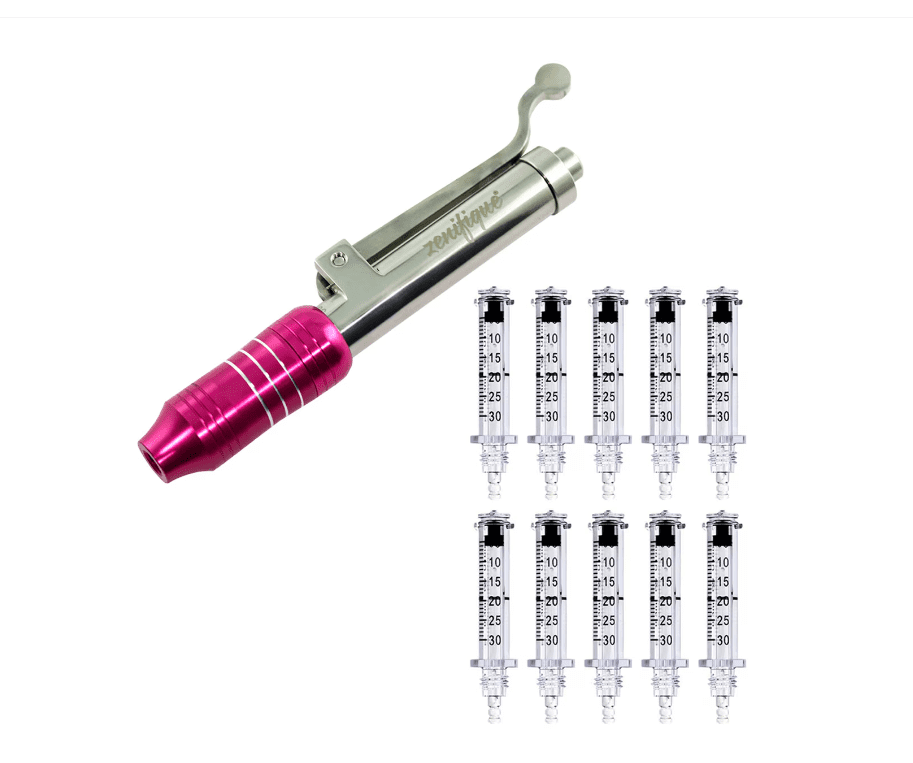
The Hyaluron Pen offers a needle-free alternative to injecting hyaluronic acid. This reduces the discomfort and risk of complications associated with traditional injections. - Immediate results:
The procedure can provide a visible effect immediately after application, helping to obtain additional volume and contour the lips in a short time. - Relatively low costs:
Compared to other lip augmentation methods, the Hyaluron Pen may represent a more affordable option from a financial point of view. - Without surgery:
The method does not involve incisions or surgical techniques, which means a minimal recovery time and a reduced risk of infections.
Cons of using Hyaluron Pen
- Variable results:
Results may vary depending on the technique applied and the specialist’s experience. Some people may notice an uneven distribution of hyaluronic acid. - Limited Durability:
The effect obtained with Hyaluron Pen is generally temporary, requiring periodic touch-ups to maintain the desired appearance. - Possible complications:
Even though the procedure is non-invasive, irritation, bruising or edema may occur in the treated area, especially if it is not performed by a qualified specialist. - Results below expectations for some areas:
Although effective for lip volumization, this device may not be as accurate for other areas of the face where traditional injection techniques may provide more consistent results.
Other Uses of Hyaluron Pen
In addition to lip augmentation, Hyaluron Pen is also used for:
- Eyebrow volumization: Providing a clearer definition.
- Improvement of facial contour: In some cases, the device can be used to emphasize certain areas of the face, although the results may be less precise than those obtained with needle techniques.
Contraindications for using Hyaluron Pen
- Allergies or sensitivity:
People with allergies to hyaluronic acid or other substances used in the procedure should avoid this method. - Active dermatological conditions:
If you have lesions, infections or other skin problems in the treated area, it is recommended to postpone the procedure until complete healing. - Autoimmune diseases:
In certain cases, people with autoimmune conditions should consult a specialist before opting for Hyaluron Pen lip augmentation. - Pregnant or breastfeeding women:
For safety, it is recommended to consult a doctor before performing any cosmetic treatment during these periods.
Rules to Follow by Procedure
To maximize results and minimize risks, it is important to follow these post-procedure recommendations:
- Avoid excessive touching of the treated area:
To prevent redistribution of the acid, do not rub your lips or the treated area for at least 24 hours. - Do not expose the area to intense heat:
Avoid saunas, hot baths and prolonged sun exposure for the first 48 hours. - Hydrate yourself properly:
Drink plenty of water to keep your skin hydrated and help the healing process. - Use gentle care products:
Use moisturizers and sunscreen, especially if you go out in the sun, to protect the treated area. - Follow the specialist’s instructions:
If the doctor has prescribed a certain treatment or a period of rest, be sure to follow these recommendations strictly.
Lip augmentation with Hyaluron Pen is a non-invasive and relatively affordable alternative to achieve volume and contour.
However, it is important to be aware of the advantages and limitations of this method. Benefits include a quick procedure and immediate results, but variability in results and the need for periodic touch-ups may occur.
Also, compliance with contraindications and post-procedure rules is essential to avoid complications and achieve the best results.
If you are interested in this method, consult a qualified specialist to assess whether it is right for you and to discuss your expectations.
Official sources and clinical guidelines in the field of aesthetics recommend a careful and personalized approach to ensure both the safety and effectiveness of the treatment.