
Choosing between a gas vs charcoal grill? Compare flavor, cost, cleanup, and convenience to find the right grill for your backyard.
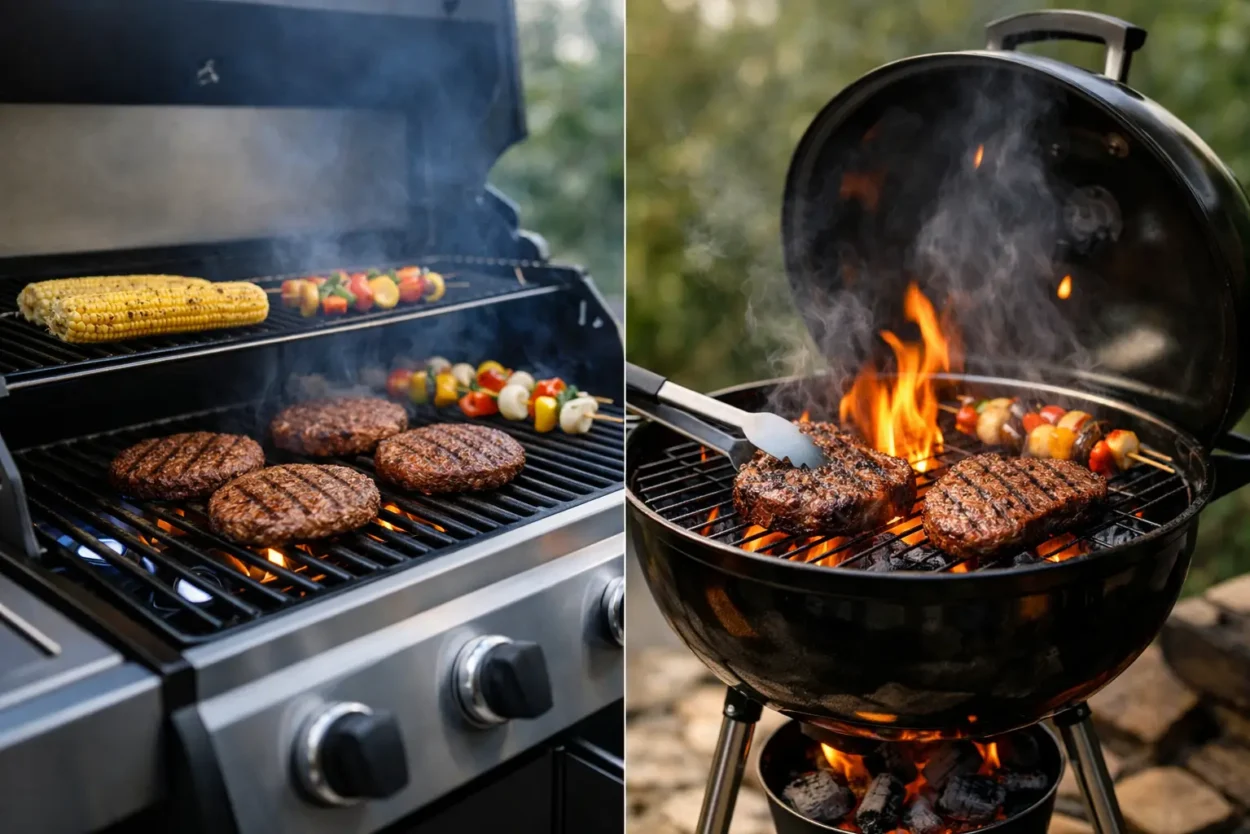
Gas vs Charcoal Grill: Which Is Better?
A grill can turn a random Tuesday into dinner on the patio, but choosing between a gas vs charcoal grill changes how that whole experience feels. One gives you quick heat and easy control. The other gives you smoke, ritual, and that classic backyard flavor people love. The better pick depends less on which grill is “best” and more on how you actually cook.
Gas vs charcoal grill: the biggest difference
If you want the short version, gas is about convenience and charcoal is about flavor and feel.
A gas grill starts fast, heats evenly, and lets you control temperature with a knob. That makes it appealing for weeknight meals, last-minute burgers, or anyone who does not want to babysit a fire. A charcoal grill takes more time and a little more patience, but many people think the smoky taste and higher-heat searing are worth it.
This is why the gas vs charcoal grill debate never really ends. They serve different kinds of cooks. If grilling is mostly a practical way to make dinner, gas often wins. If grilling is part of the fun, charcoal has a strong case.
Flavor: where charcoal usually wins
For many grill fans, flavor is the deciding factor. Charcoal creates smoke naturally as the coals heat up and fat drips onto the fire. That gives food a deeper grilled taste, especially on steaks, burgers, chicken thighs, and anything cooked a little longer.
Gas grills can still make great food, and a good cook can absolutely turn out juicy, flavorful meals on one. But the flavor tends to be cleaner and less smoky unless you add a smoker box or wood chips. If you care most about getting that classic cookout taste, charcoal usually has the edge.
That said, not everyone notices or cares about the difference equally. If you mostly grill vegetables, fish, hot dogs, or quick family dinners with sauces and marinades, gas may be more than satisfying.
Ease of use: where gas pulls ahead
This is the category that makes many people choose gas without overthinking it.
A gas grill is simple. Turn the knob, press the ignition, preheat, and cook. You can lower the heat if chicken starts browning too fast or crank it up to finish burgers. There is less guesswork, which matters if you are new to grilling or just want dinner on the table fast.
Charcoal asks more from you. You need to light the coals, wait for them to ash over, spread them properly, and manage airflow with vents. It is not difficult once you learn, but it does add time and attention. For some people, that process is relaxing. For others, it is the main reason they avoid charcoal.
If your life is busy and your grill needs to work like an outdoor kitchen appliance, gas is usually the easier fit.
Heat and cooking performance
Both types of grills can cook well, but they behave differently.
Gas grills are great for controlled cooking. You can set up different heat zones, keep temperatures steady, and handle a wider mix of foods without much stress. That is especially useful for bone-in chicken, pork chops, shrimp skewers, and vegetables that need moderate heat.
Charcoal grills are known for strong direct heat, which is part of why people love them for searing. They can produce beautiful crust on steaks and burgers. They also work well for low-and-slow cooking if you know how to arrange the coals and manage airflow, though it takes more practice than gas.
So which performs better? It depends on the kind of cooking you do most. If you want control and consistency, gas feels easier. If you want intensity and do not mind a learning curve, charcoal is exciting.
Cost: the answer changes over time
At first glance, charcoal grills are often cheaper to buy. You can get a solid charcoal grill for much less than a quality gas model, which makes charcoal attractive if you are on a budget or just testing whether grilling is something you will use often.
But fuel changes the math. Gas grills run on propane or natural gas, while charcoal grills need charcoal briquettes or lump charcoal every time you cook. Over time, your total cost depends on how often you grill and what fuel prices look like in your area.
A casual griller might not notice much difference. Someone who grills multiple times a week may prefer the predictability of gas, especially if they have a natural gas hookup. On the other hand, some charcoal users are happy to pay a little more for the experience and flavor.
Cleanup and maintenance
This part is not glamorous, but it matters.
Gas grills usually need regular brush-downs, grease tray cleaning, and occasional burner maintenance. They are not maintenance-free, but day-to-day cleanup is often easier because you are not dealing with ash. If you keep up with cleaning, a gas grill is pretty manageable.
Charcoal grills create ash every time you use them. You need to wait for the coals to cool, empty the ash safely, and clean the grates. It is messier, and windy days do not help. Still, charcoal grills are mechanically simpler, so there are fewer parts that can break.
If you want the least messy routine, gas tends to win. If you would rather avoid burners and ignition systems, charcoal has its own appeal.
Space, portability, and lifestyle fit
Where you live can shape your choice as much as your taste buds do.
Gas grills are often larger and heavier, especially models with multiple burners and side shelves. They work well for patios and backyards, but they are not always ideal for small spaces or frequent transport. Some apartment buildings and condo communities also have rules about open-flame cooking or propane storage, so it is worth checking before you buy.
Charcoal grills come in many compact, portable options. That can make them a great pick for beach days, tailgates, camping, or smaller outdoor areas. The trade-off is that carrying bags of charcoal and dealing with ash on the go is less convenient than it sounds.
Your lifestyle matters here. If you host often at home, gas may blend into your routine better. If grilling is part of outdoor adventures, charcoal can be more flexible.
Who should choose gas?
Gas is usually the better choice for people who want grilling to feel easy, quick, and reliable. It suits busy households, beginner cooks, and anyone who expects to use the grill a lot during the week.
It also makes sense if you cook a wide range of foods and want steady heat without much trial and error. If your ideal grilling night is chicken breasts, corn, and burgers ready in under an hour, gas fits beautifully.
For many readers, this is the most realistic answer. Convenience is not boring. It is what gets the grill used more often.
Who should choose charcoal?
Charcoal makes the most sense for people who care about smoky flavor, high-heat searing, and the overall ritual of grilling. If you enjoy tending the fire, adjusting vents, and making the meal feel like an event, charcoal can be more satisfying.
It is also a good option if you want a lower upfront cost or like the simplicity of a grill without burners and fuel lines. For weekend cookouts, steaks, and classic backyard burgers, charcoal still has a loyal following for a reason.
You do give up speed and convenience, so honesty helps. If you love the idea of charcoal more than the actual process, you may end up using it less than you expect.
Gas vs charcoal grill for beginners
If you have never owned a grill before, gas is usually easier to learn on. Temperature control is more intuitive, flare-ups are easier to manage, and the whole process feels less intimidating.
That does not mean beginners should avoid charcoal. Plenty of people start there and love it. But charcoal rewards patience. If you are the kind of person who enjoys learning by doing and does not mind a few imperfect burgers at first, it can be a fun skill to build.
A smart way to decide is to picture your real habits, not your aspirational ones. Are you more likely to grill on a random weeknight or make a Saturday afternoon out of it? Your answer probably tells you which grill belongs in your backyard.
The better grill is the one you will actually use
The gas vs charcoal grill choice is really about your priorities. Gas gives you speed, simplicity, and control. Charcoal gives you stronger grilled flavor and a more hands-on experience. Neither option is wrong, and plenty of great home cooks are happy with either one.
If you want dinner with less friction, choose gas. If you want grilling to feel more like a hobby, choose charcoal. The best backyard meals come from the grill that matches your routine, not the one that wins the loudest arguments.