
Discover which summer fabrics actually keep you dry and comfortable—from linen and cotton to lyocell. Learn what to avoid, how to check materials in-store, and why fit matters as much as fiber.
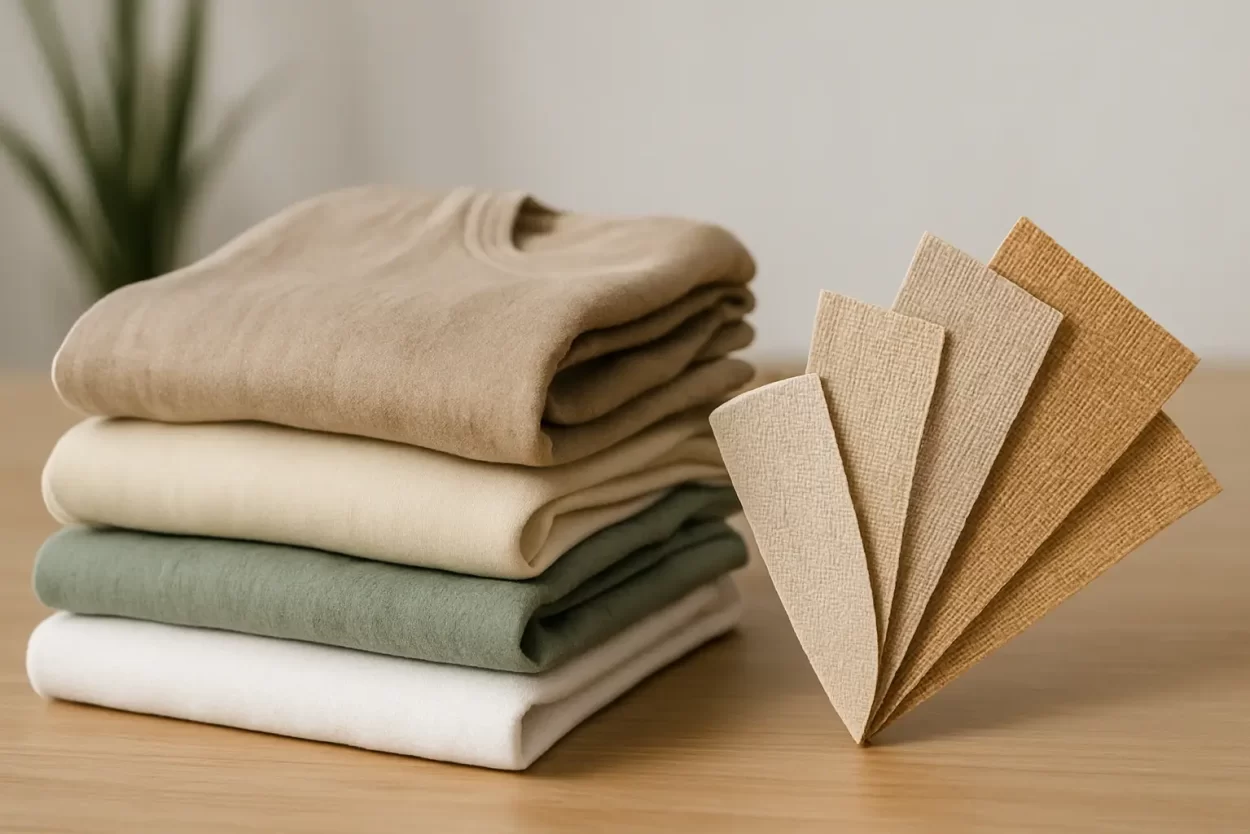
Summer Fabrics That Keep You Cool and Dry: A Material Guide
You got dressed “fine” this morning, but by noon your blouse is clinging to you and every step feels like a small effort. It’s not just “because it’s hot.” Often, the problem is the material: how the fiber breathes, how much moisture it retains, how quickly it dries, and what weave was used.
If you want textiles that don’t make you sweat in summer (meaning they keep your skin drier and reduce that suffocating feeling), you need two things: the right fibers and a fabric construction that lets air circulate. Below is a practical, easy-to-understand guide with good options, common pitfalls, and quick tricks to check while shopping.
Why You Sweat More in Certain Clothes
Sweating is normal—it’s your body’s way of cooling down. Discomfort appears when the material:
- doesn’t let vapors escape (your skin stays damp)
- holds moisture against your body (that “cold-damp” or “sticky” feeling)
- heats up quickly in the sun and traps warmth
This is where two differences come in that the label doesn’t always explain: the fiber (what the thread is made from) and the weave (how the material is constructed). Thin, loosely woven cotton will feel completely different from thick, dense cotton, even if the label says the same thing.
Summer Fabrics That Don’t Make You Sweat: What to Look For
There’s no completely “non-sweating” fabric. But there are materials that breathe better and handle moisture more kindly to your skin. In reality, the best summer choices are natural fibers and some modern cellulose fibers.
Linen—the champion of breathability
Linen is the material that feels “cool” when you touch it, especially on scorching days. Its fibers allow good air circulation and dry relatively quickly.
The trade-off is clear: it wrinkles easily. If the slightly “crumpled” look bothers you, look for a linen-cotton blend or linen with a small proportion of cellulose fibers (lyocell type)—it looks smoother but keeps much of its breathability.
Cotton—reliable, but thickness matters a lot
Cotton is comfortable and skin-friendly, and in summer it can be excellent, especially for t-shirts, shirts, and light dresses. The difference comes down to the weight and weave of the material.
Thick, compact cotton (like a “stiff” t-shirt or denim) can become warm and trap moisture. On the other hand, thin cotton like poplin, batiste, muslin, or lightweight jersey feels much more breathable.
If you sweat a lot, avoid very thick cotton t-shirts on hot days—they absorb moisture and dry slowly. They might be better in the evening or in air-conditioned spaces.
Viscose—cool, but delicate
Viscose (also called rayon) is made from cellulose and has a beautiful, “flowy” drape, which makes it popular for summer dresses and blouses. It feels cool and is generally more breathable than polyester.
However, viscose can become problematic with moisture: some pieces stain easily from sweat or lose shape during washing if not cared for properly. It’s worth it if you want a feminine, relaxed piece, but check the care instructions and keep in mind it’s more “demanding” than cotton.
Lyocell/Tencel—the modern option, very comfortable
Lyocell (often branded as Tencel) is also a cellulose-based fiber, but made using a different process than viscose. In practice, it feels smooth, breathes well, and handles moisture very pleasantly. For many people, it’s one of the best choices when they want to escape that “clinging” feeling on their skin.
Trade-off: the price can be higher, and some materials are so fine they require careful washing (gentle cycle, proper drying).
Hemp—fantastic for heat, still underrated
Hemp has a “linen-like” quality—it breathes well and is durable. Hemp pieces are often excellent for summer, especially shirts, wide-leg pants, and simple dresses.
To the touch, some varieties can feel rougher at first, but they soften with time. If you have sensitive skin, look for pre-washed hemp or a hemp-cotton blend.
Fine merino wool—for heavy sweaters
It sounds counterintuitive, but very fine merino (summer weight, not a sweater) can be a good solution for sweating, especially if you’re bothered by odors. Wool manages moisture and can stay comfortable even when you sweat.
It’s not for everyone: it can be pricier, and if you’re sensitive to wool, it’s not worth the risk. But for light hiking, travel, or long days out, a fine merino t-shirt can make a difference.
Materials That Make You Sweat More (or Feel Like You’re Suffocating)
Mainly synthetic fibers that don’t breathe well in everyday wear fall into this category.
Polyester and acrylic tend to trap heat and can create a “plastic” feeling, especially in fitted blouses, tight dresses, or linings. Plus, they can emphasize unpleasant odors, because bacteria thrive more easily on certain synthetic surfaces.
Important: there is technical polyester (for sports) that wicks moisture. But in casual clothes, “regular” polyester from fast fashion is often the reason you sweat and feel sticky.
It’s Not Just the Fiber: 3 Details That Change Everything
You can have a great fiber and still end up with an uncomfortable piece if the rest is chosen poorly.
Weave and density
A shirt made from breathable cotton poplin is a different world from dense, satin cotton that clings to your body. If you can, hold the material up to the light: if light passes through slightly and it looks “airy” (without being uncomfortably transparent), that’s a good sign for summer.
Cut and fit
Any material becomes warmer when it’s fitted. In summer, a loose cut beats the “perfect” material. A viscose dress that doesn’t cling to your waist will be more breathable than a tight one, even if they’re made from the same fiber.
Lining
Many “summer” dresses are ruined by a polyester lining. If you wonder why you sweat in that apparently relaxed dress, check the lining label. Ideal: cotton, viscose, lyocell, or no lining at all if the fabric isn’t transparent.
How to Quickly Check in the Store If a Garment Is Good for Hot Weather
You don’t need complicated tests, just a few quick gestures.
First, put the material on the inside of your wrist or on your neck—areas sensitive to heat. If it feels “cool” and pleasant, that’s a good sign. Then crumple a small section in your palm and let go: if it stays very wrinkled, it could be linen (normal), but it could also be viscose that will “show” creases easily.
Do one more check: run your palm across the surface. If you feel it “catches” or your skin doesn’t glide smoothly, the material could become sticky when wet with sweat. Generally, lyocell and good viscose have a pleasant glide, while breathable cotton feels clean and dry.
Combinations That Work in Real Life
For the office, a shirt made from linen or thin cotton, with wide-leg pants (also in linen or lyocell), helps you stay presentable without “overheating.” For city wear, t-shirts in lightweight cotton or lyocell, paired with flowy skirts, are simple and effective.
On vacation, viscose or linen dresses are ideal, but be mindful of your backpack or bag—rubbing can cause some fabrics to pill. If you know you’ll be walking a lot, choose more durable materials (linen, cotton, hemp) and cuts that don’t rub between your thighs.
If you want more short, practical guides in Fashion and Lifestyle, you’ll find articles in the same style on Ruki.ro, easy to apply.
When “Not Sweating in Summer” Depends on You, Not Just the Label
If you sweat a lot regardless of material, keep in mind the context: temperature, humidity, how much you walk, stress, deodorant/antiperspirant, and also the color of your clothes. Dark colors absorb more heat from the sun. And paradoxically, sometimes a slightly looser garment in an “just okay” material will be more comfortable than a very “premium” one that’s tight.
One last detail that really helps: rotate your pieces. If you wear the same synthetic dress every day, not only do you sweat more, but the material can hold onto odors. Two or three pieces in linen, thin cotton, or lyocell, smartly rotated, make your summer easier without complicating your wardrobe.
Choose your material like a strategy, not a label: look for breathability, lightness, and a good feel against your skin, and even when the city feels like a hot plate, managing the heat becomes much easier.
Comments are closed.