
Liquid blush vs powder blush: compare finish, wear, skin type, and application tips to find the best formula for your routine and makeup style.
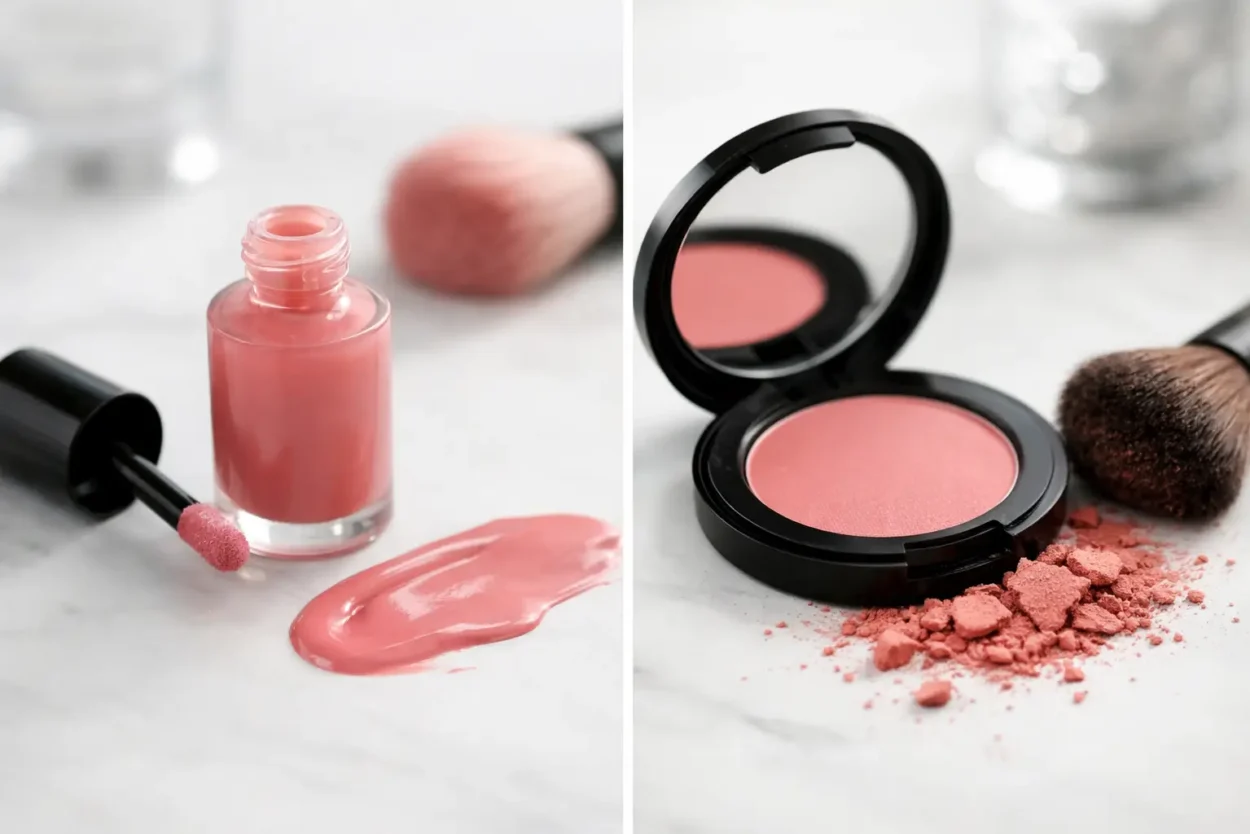
Liquid Blush vs Powder Blush: Which Wins?
Some blushes give you that fresh, just-back-from-a-walk color. Others give you polished, softly sculpted cheeks that stay put through a long day. When it comes to liquid blush vs powder blush, the better choice usually depends less on trends and more on your skin type, makeup habits, and the finish you actually like seeing in the mirror.
If you have ever bought a blush because it looked amazing on someone else and then felt underwhelmed at home, you are not alone. Blush is one of the most personal makeup steps. The same shade can look airy and natural in a liquid formula, then appear stronger and more matte in a powder. That is why choosing between the two matters more than people think.
Liquid blush vs powder blush: the real difference
The biggest difference comes down to texture and finish. Liquid blush usually melts into the skin and creates a more natural, skin-like flush. Powder blush sits a bit more on top of the skin, which can make color easier to control and often easier to build.
Liquid formulas tend to look dewier. They are popular for no-makeup makeup, glowy complexions, and routines that use cream or liquid base products. Powder blushes usually give a softer-focus finish and work especially well if you like a classic makeup look or wear setting powder regularly.
Neither formula is automatically better. One gives a fresher, more blended effect. The other gives more structure and often more predictability.
When liquid blush makes more sense
Liquid blush is often the favorite for dry or normal skin because it adds color without emphasizing flakiness as much as some powders can. If your skin tends to look flat after foundation, a liquid blush can bring back life quickly.
It is also a smart pick if you like minimal makeup. A few dots blended with fingers or a sponge can make the whole face look more awake. On rushed mornings, that ease matters.
There is also something forgiving about the finish. Even when the pigment is strong, liquid blush often sheers out into the skin in a way that looks believable. That is why many people use it when they want that “natural but better” result.
Still, liquid blush has a learning curve. Some formulas dry fast, which means you need to blend quickly. Others are highly pigmented, so one extra dot can turn into a lot of blush very fast. If you already struggle with foundation lifting or patchiness, the wrong liquid blush can make that more obvious.
Best situations for liquid blush
Liquid blush tends to shine when your makeup is light, glowy, or cream-based. It works well for everyday wear, fresh spring and summer looks, and anyone who wants cheeks to look more hydrated than powdered.
It is also great if you enjoy using fingers for makeup. You do not always need a full brush setup to make it work.
When powder blush is the better choice
Powder blush is popular for a reason. It is straightforward, familiar, and usually easier to control. If you want to build color gradually, powder often feels less risky.
For oily or combination skin, powder blush can be especially helpful. It tends to hold up well on top of set makeup and can keep the cheek area from looking too shiny by midday. If your face gets oily a few hours after application, powder may simply wear better.
Powder blush is also useful if you love a polished makeup routine. It layers easily over foundation that has already been set with powder, and it usually blends well with bronzer and highlighter in powder form. The whole look can feel more cohesive.
Another plus is variety. Powder blushes come in matte, satin, and shimmer finishes, so it is easy to shift from subtle daytime color to a more defined evening look.
The trade-off is that powder can cling to dry patches or textured areas, especially if the skin is not well-prepped. Some powders also go on heavier than expected, particularly with dense brushes. So while powder is beginner-friendly, it is not completely foolproof.
Liquid blush vs powder blush for different skin types
If your skin is dry, liquid blush usually has the edge. It adds color without making the skin look more parched, and it often blends in with less effort. Creamy, hydrating formulas tend to look the most flattering here.
If your skin is oily, powder blush is often the safer bet. It generally lasts better over oil-prone areas and helps maintain a balanced finish. A liquid blush can still work, but you may need to set it or choose a longer-wear formula.
If you have combination skin, it depends on where you get oily and what base makeup you wear. Many people with combination skin like liquid blush in cooler months and powder in summer. That switch makes sense.
If your skin is textured or acne-prone, the answer is less obvious. Liquid blush can look smoother because it does not add powdery buildup, but if it is too shiny, it may draw attention to uneven texture. Powder blush can blur a bit if it has a soft matte finish, but it can also catch on raised spots. In this case, formula quality matters just as much as formula type.
Which one lasts longer?
People often assume powder lasts longer, but that is not always true. A well-made liquid blush can stain the skin slightly and stay impressive for hours. At the same time, some liquid formulas fade quickly if they remain too emollient.
Powder blush usually performs well over a set base, especially in humid conditions or on oilier skin. It is also easier to refresh during the day without disturbing the rest of your makeup.
If long wear is your top priority, your best option may actually be layering. A thin liquid blush under a light dusting of powder blush in a similar shade can create excellent staying power. That sounds extra, but it is a favorite trick for events, photos, and long workdays.
Application matters more than most people realize
A lot of disappointment with blush is really an application mismatch. Liquid blush generally works best before heavy powder. Apply a small amount, blend quickly, and build slowly. Fingers give a soft finish, while a sponge diffuses edges well. A brush can add precision, but it may also pick up too much product if the formula is very pigmented.
Powder blush needs the right brush pressure. A fluffy brush gives a lighter wash of color and helps avoid harsh edges. If your blush looks patchy, the issue may be that your base is too wet or too dry underneath.
Placement changes the effect too. Higher on the cheekbones can lift the face. Across the apples of the cheeks looks youthful and sweet. Sweeping blush slightly across the nose creates that sun-touched look people often want from liquid formulas in particular.
What looks more natural?
For most people, liquid blush wins on natural finish. It tends to mimic the way real color appears beneath the skin. That makes it especially appealing for fresh daytime makeup or bare-skin looks.
But natural does not always mean better. Powder blush can look just as flattering when applied lightly, and some people prefer the soft, velvety effect it gives. If your idea of natural makeup includes a polished base and subtle definition, powder may actually look more like you.
That is the thing with blush. The most flattering option is not just about skin type. It is also about style.
So which one should you buy?
If you want quick, glowy, skin-like color and your skin leans dry or normal, start with liquid blush. If you want control, easy layering, and a finish that works well with set makeup, start with powder blush.
If you are new to blush and nervous about overdoing it, powder is often easier to learn. If you already enjoy cream products and like a fresh finish, liquid will probably feel more exciting and modern.
There is also no rule that says you need to be loyal to one formula. Plenty of makeup lovers keep both and use them based on weather, occasion, or mood. That is often the most realistic answer. Makeup routines are not static, and your best blush in July may not be your best blush in January.
If you are still undecided, think about the rest of your routine. Dewy skin tint, cream bronzer, and minimal powder? Liquid blush will fit right in. Full foundation, set T-zone, and powder bronzer? Powder blush will probably behave better.
The easiest way to choose is to be honest about how you actually do your makeup, not how you wish you did it. The right blush is the one that fits your mornings, your skin, and the version of your look that makes you feel most like yourself.


Comments are closed.