
This carry on packing guide helps you fit more, avoid airport stress, and pack smarter for weekend trips, business travel, and long flights.
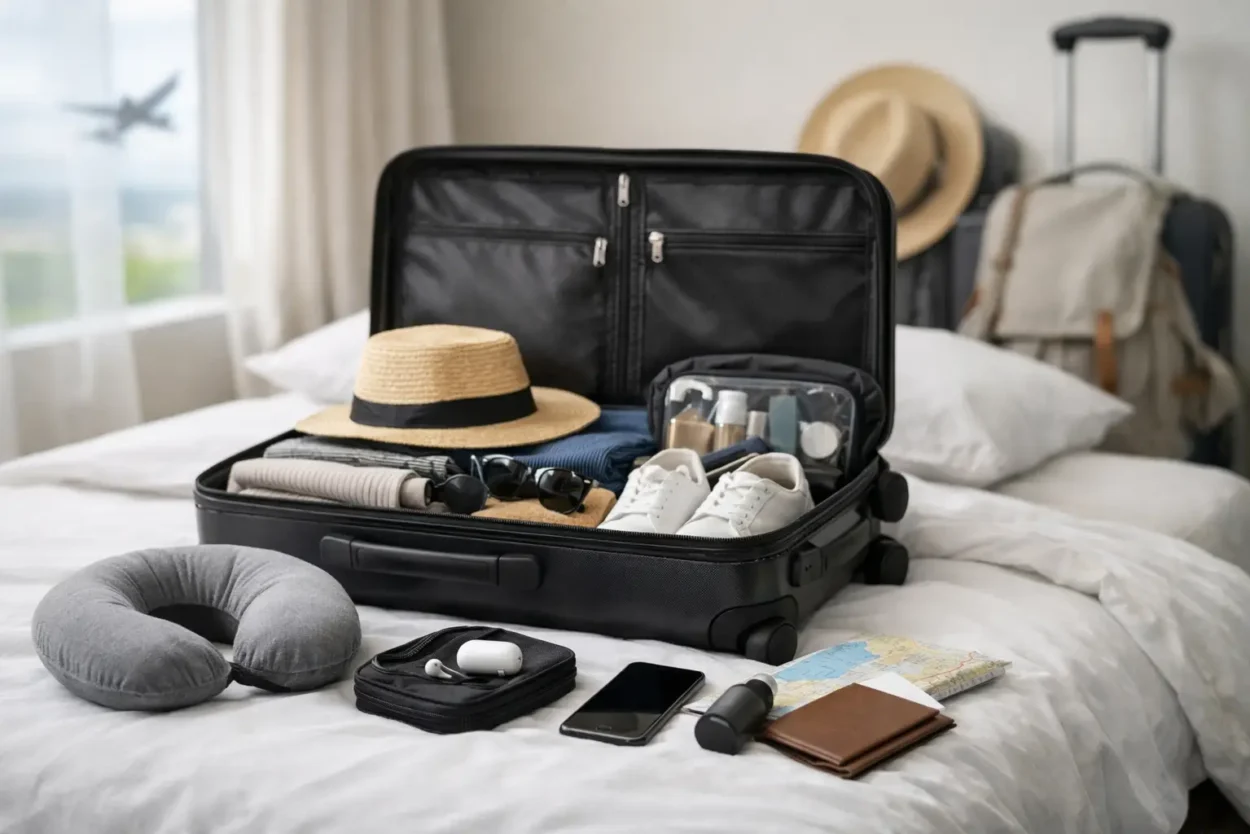
Carry On Packing Guide for Easy Travel
You know that moment at the airport when your bag barely zips, your charger is missing, and you suddenly remember the liquid rules? A good carry on packing guide fixes that before you leave home. The goal is not to pack more stuff. It is to pack the right stuff, in the right order, so your trip feels lighter from the start.
Packing a carry-on well is part strategy, part honesty. Most people do not need half of what they bring, but they do need a few smart essentials that make travel smoother. Whether you are heading out for a quick weekend, a work trip, or a weeklong vacation with laundry built in, the best carry-on setup is simple, flexible, and easy to manage.
What makes a good carry on packing guide work
The best packing advice starts with one truth: your bag has limits, and that is actually helpful. A carry-on forces you to edit. Instead of throwing in extra outfits just in case, you start thinking in combinations, layers, and items you will truly wear.
That also means your destination matters. A beach trip, city break, and business trip all need different versions of “light packing.” Weather, shoe choices, and whether you can do laundry will change the plan. There is no single perfect list for every traveler, but there is a smart framework that works almost every time.
Start with your travel basics first. That means your ID, wallet, phone, medications, keys, and any must-have documents. Pack those before clothes. It sounds obvious, but these are the items that cause the most stress when forgotten.
After that, build around three categories: clothing, toiletries, and in-transit essentials. If something does not clearly fit one of those categories or serve a specific purpose, it probably does not need to come.
Start with clothing you can rewear
Most overpacking happens in the clothing section. The fix is choosing pieces that can do more than one job. Think neutral bottoms, tops that can be dressed up or down, and one extra layer for cold airplanes or shifting weather.
For a typical 3 to 5 day trip, many travelers can manage with two bottoms, three to four tops, underwear and socks for each day, sleepwear, and one light jacket or sweater. If your trip is longer, you do not always need more clothes. You may just need a plan to repeat outfits.
Shoes take up the most space, so keep them under control. Wear your bulkiest pair in transit and pack one additional pair if needed. Two pairs total is enough for many trips. If you are trying to fit sneakers, heels, sandals, and flats into one carry-on, that is usually where the system starts falling apart.
Fabric matters more than people think. Wrinkle-resistant basics, thin knits, and lightweight layers are easier to pack and easier to wear again. Bulky sweaters and stiff denim can eat up space fast, so balance those items carefully if you bring them.
A simple outfit formula
If you want packing to feel easier, stop thinking in single outfits and start thinking in combinations. One bottom that works with three tops gives you more mileage than three unrelated looks. A dress that works for daytime and dinner is better than separate pieces you wear once.
This is especially helpful if you like taking photos while traveling. You can still have variety without filling your bag with too many options. Change accessories, layer differently, or rotate your outerwear instead of packing a whole extra wardrobe.
Toiletries are where space disappears fast
A strong carry on packing guide has to deal with liquids because they can ruin an otherwise efficient bag. Full-size bottles are rarely worth it. Travel-size containers save space, reduce weight, and make security easier.
Keep your toiletry kit focused on what you actually use daily. Cleanser, moisturizer, toothbrush, toothpaste, deodorant, sunscreen, and a few makeup basics are enough for most trips. Hair tools and extra products should earn their spot. If you can skip one bottle or one device, your bag will feel noticeably less crowded.
Solid alternatives can help too. Bar soap, solid shampoo, and makeup sticks cut down on liquid limits and leaks. They are not always everyone’s favorite at home, but for travel they can be very convenient.
Put liquids in a clear bag and keep that bag easy to reach. It saves time at security and keeps you from digging through your suitcase in line. Even if the airport you use is relaxed, easy access still helps.
The small extras that make a big difference
The items that improve travel most are often not the biggest ones. A phone charger, portable battery, headphones, refillable water bottle, and a pen can all make the trip feel smoother. If you are flying, add lip balm, hand sanitizer, and a lightweight scarf or sweater for comfort.
Keep these in your personal item if possible, not your main carry-on. That way you can grab what you need during the flight without opening the overhead bin every hour. A tote, backpack, or under-seat bag works best when it holds the things you want in reach.
If you are traveling for work, your laptop, charger, and any meeting essentials should also stay in your personal item. If you are traveling with kids, snacks and wipes matter more than extra outfit choices. The right priorities depend on the trip.
Rolling, folding, and packing cubes
There is a lot of debate about the best way to organize a carry-on, but the truth is that it depends on what you pack. Rolling works well for T-shirts, leggings, and softer items. Folding is better for structured clothing that wrinkles easily. Many travelers use both.
Packing cubes are useful if you like order and want to separate categories. They can help you see what you brought, compress softer items a bit, and keep your bag from turning chaotic on day two. They are not magic space creators, but they do make a carry-on easier to live out of.
Shoes should go at the bottom or along the sides of the bag, ideally in dust bags or simple plastic bags. Fill the inside of your shoes with socks, chargers, or other small items to use space well. Heavier items should stay near the wheels if you use a rolling suitcase, since that helps balance the bag.
A realistic carry on packing guide for different trips
A weekend getaway is the easiest version of carry-on travel. You can usually fit everything into a small suitcase or even a roomy duffel if you pack tightly. This is where outfit repeating barely matters, so focus on comfort and one polished option if you plan to go out.
A business trip needs slightly more structure. Wrinkle-resistant pieces, one dependable pair of shoes, and a work bag that fits under the seat can make the whole trip easier. If your schedule includes dinners or events, pick one outfit that transitions well instead of packing separate looks for each part of the day.
For a weeklong trip, laundry becomes the deciding factor. If you can wash a few basics, carry-on-only travel is still very realistic. If you cannot, you will need to be stricter about repeating outfits and cutting down on extras.
Cold-weather trips are the hardest to pack in a carry-on because coats and boots are bulky. Wear your heaviest items while traveling and keep packed layers thin. Thermal tops and leggings usually work better than multiple thick sweaters.
What to leave out
It is often easier to pack well when you know what not to bring. Extra pairs of shoes, backup toiletries, full-size beauty products, and clothes that only work with one outfit are common space-wasters. So are “maybe” items that have no clear role in the trip.
Try this quick test before zipping your bag: if an item is heavy, bulky, or fragile, ask whether it solves a real problem. If the answer is vague, take it out. Most travel stress comes from carrying too much, not too little.
That applies to souvenirs, too. If you tend to shop while traveling, leave a little extra room on purpose. A carry-on packed to the limit on the way out gives you no flexibility on the way back.
Make your bag easier on the return trip
A smart carry-on is not just about departure day. Think about how you will repack when you are tired, in a hurry, or heading to the airport early. Keep dirty laundry separate with a spare bag. Put small items back in the same pockets every time. The less decision-making required later, the better.
This is where a simple system wins. MUNIOM readers usually want practical solutions they can repeat, and packing is no different. If you use the same toiletry bag, charging pouch, and outfit formula for most trips, you will spend less time packing and far less time second-guessing.
The best carry-on setup is the one that feels manageable in real life. Not overly minimal, not stuffed with just-in-case items, just organized enough to get you through the trip without dragging extra weight along with you. Pack for the version of the trip you are actually taking, and your bag will finally start working for you instead of against you.


Comments are closed.