
Find the best houseplants for low light, from snake plants to pothos, plus simple care tips to keep them healthy in darker rooms.
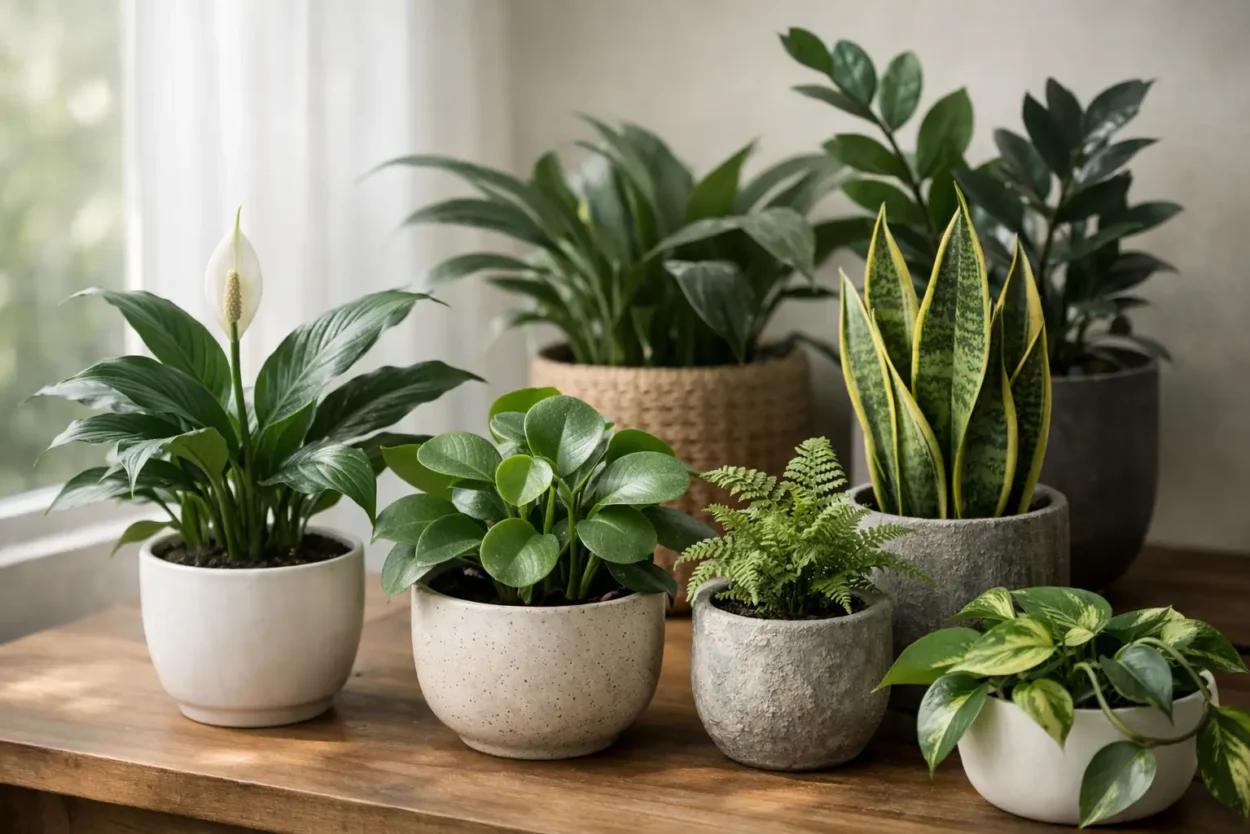
12 Best Houseplants for Low Light
That dim corner in your apartment is probably not as plant-unfriendly as it looks. If you have a room with small windows, a north-facing view, or a spot a few feet away from the sun, there are still plenty of great options. The best houseplants for low light are the ones that stay attractive without demanding direct sun, constant watering, or a full plant-parent personality shift.
Low light does not mean no light. Most indoor plants still need some natural or artificial light to survive, but certain varieties handle shade far better than others. If your goal is to make a darker room feel greener without signing up for a high-maintenance hobby, these are the plants worth considering.
What low light really means indoors
In most homes, low light means a space that gets indirect light for part of the day or sits farther from a bright window. Bathrooms with frosted windows, bedrooms with north-facing exposure, hallways with borrowed light, and office corners often fall into this category.
The main thing to know is that low-light plants usually grow more slowly. That can actually be a plus if you do not want a plant taking over your shelf in six months. The trade-off is that overwatering becomes easier, because the soil stays damp longer when light levels are lower.
Best houseplants for low light and easy care
Snake plant
Snake plants are one of the easiest choices for beginners, and for good reason. They tolerate low light well, look clean and architectural, and do not need frequent watering. If you tend to forget your plants for a week or two, this one is forgiving.
The catch is that snake plants do best in low to medium light, not complete darkness. If your space is extremely dim, growth may slow to a crawl. Still, for bedrooms, entryways, and offices, they are hard to beat.
ZZ plant
The ZZ plant has glossy leaves that make it look more demanding than it really is. It handles low light beautifully and stores water in its thick underground rhizomes, which helps it survive neglect.
This is a strong pick if you want something polished and modern-looking. Just avoid watering on autopilot. Like many low-light favorites, it is more likely to suffer from too much attention than too little.
Pothos
Pothos is the plant people recommend when they want something almost impossible to mess up. It trails nicely from shelves, bookcases, and hanging planters, and it adapts to a wide range of indoor conditions.
In lower light, pothos may lose some of its variegation and grow a bit slower, but it usually stays healthy. That makes it a practical option if you want greenery that softens a room quickly without a lot of effort.
Heartleaf philodendron
If you like the relaxed look of trailing vines, heartleaf philodendron is another easy win. Its leaves are slightly softer and more delicate-looking than pothos, which gives it a classic houseplant feel.
It tolerates low light well and bounces back easily if you miss a watering. For renters, dorm rooms, and first apartments, it is one of the most rewarding plants because it grows with very little drama.
Peace lily
Peace lilies are popular for darker rooms because they can flower indoors even when light is limited. Their dark leaves and white blooms make them look more decorative than many other low-light plants.
That said, peace lilies are not as carefree as snake plants or ZZ plants. They tend to droop dramatically when thirsty, which some people find helpful and others find stressful. If you do not mind a plant that clearly communicates, this one adds a little elegance to lower-light spaces.
Cast iron plant
The name tells you a lot. Cast iron plant is known for tolerating neglect, shade, and less-than-perfect indoor conditions. It has long, deep green leaves and a simple look that works especially well in minimalist or traditional interiors.
It grows slowly, so do not expect fast results. But if you want a dependable plant for a darker hallway or corner where fussier plants fail, this is one of the smartest choices.
Chinese evergreen
Chinese evergreen comes in several varieties, with leaves ranging from dark green to silver or pink-tinged patterns. It is one of the better-looking low-light plants if you want something with a bit more color and personality.
The darker green varieties usually handle lower light better than the brighter, more colorful ones. If your room is very dim, keep that in mind when choosing a cultivar. It is a good example of how even among low-light plants, some versions are tougher than others.
Parlor palm
Parlor palm has been a favorite indoor plant for generations, and it still earns its spot. It brings a soft, airy texture that makes a room feel fresh without needing strong sun.
This is a solid option if you want a more relaxed, tropical look. The trade-off is that it can be a little slower and less dramatic than larger palms. For apartments and smaller homes, though, that is often a benefit.
Spider plant
Spider plants are often mentioned as beginner plants, and they do well in bright indirect light, but they can also adapt to lower-light rooms. They are cheerful, fast-growing, and send out baby plants when happy.
In truly low light, they may not produce as many offshoots, and the striped leaves can look less vibrant. But for homes that get moderate rather than intense light, spider plants are still a very approachable choice.
Dracaena
Dracaena varieties come in several forms, from narrow upright leaves to fuller, more dramatic shapes. Many handle low light fairly well, especially darker green types.
They work nicely if you want height in a room without placing a giant plant right in front of a sunny window. Just know that some dracaenas can be sensitive to overwatering and tap water minerals, so they are easy, but not completely hands-off.
Maidenhair fern’s easier cousin: bird’s nest fern
If you love the look of ferns but do not want the heartbreak of a high-maintenance one, bird’s nest fern is a much friendlier option. Its wavy leaves add texture, and it tolerates lower light better than many fern varieties.
It still likes moisture more than a snake plant would, so this is best for someone who can keep an eye on the soil. Bathrooms can be a good fit if they get at least a little natural light.
Lucky bamboo
Lucky bamboo is technically not bamboo, but it earns a place on this list because it adapts well to low-light indoor settings and has a clean, simple look. It is often grown in water, which appeals to people who want something visually neat and compact.
It is especially useful for desks, shelves, and small spaces. Just remember that low maintenance is not the same as no maintenance. Water still needs to be refreshed, and the plant should not be left in a dark corner forever.
How to choose the right low-light plant for your space
The best pick depends less on trend and more on your habits. If you forget to water, choose snake plant, ZZ plant, or cast iron plant. If you want trailing vines for styling shelves, pothos and heartleaf philodendron make more sense. If your room needs softness and texture, parlor palm or bird’s nest fern can change the feel of the space quickly.
It also helps to be honest about how low your light really is. A room with one small window is different from a windowless bathroom. Even the best houseplants for low light need some source of light to keep going long term.
Simple care tips for low-light plants
The biggest mistake with low-light plants is watering too often. Because they are not using as much energy for growth, the soil takes longer to dry out. Check the potting mix with your finger before watering, and do not follow a rigid calendar if the soil is still damp.
Dusting the leaves matters more than many people realize. In a darker room, every bit of available light counts, and dusty leaves make it harder for the plant to photosynthesize. A quick wipe now and then can help the plant make better use of limited light.
Rotating the plant every few weeks also helps keep growth more even. If one side is always facing the light source, the plant can start leaning or looking sparse. This is especially true for pothos, philodendron, and peace lily.
Finally, keep expectations realistic. Low light usually means slower growth, smaller leaves, and fewer dramatic changes. That is not failure. It just means your plant is adapting to the environment you have.
A darker room does not have to stay bare. With the right plant, even a low-light corner can feel calmer, fresher, and much more finished.