
Explore Tokyo’s Imperial Palace with our comprehensive guide covering the East Gardens, historic Nijūbashi Bridge, and Imperial Collections Museum. Learn visitor tips, hours, and how to access this iconic symbol of Japanese tradition.
Tokyo Imperial Palace: Complete Visitor’s Guide to History and Gardens
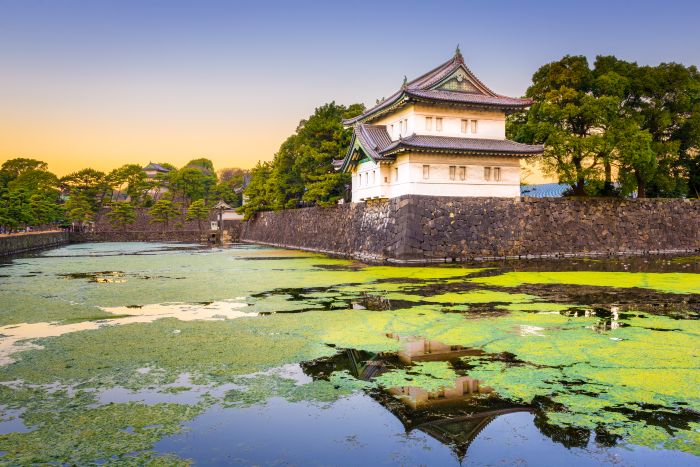
The Imperial Palace in Tokyo (Kōkyo) is one of Japan's most important historical and cultural attractions. Located in the Chiyoda district, right in the heart of the city, the palace is the official residence of the Emperor of Japan and a symbol of the continuity of imperial tradition.
Although much of the complex is closed to the public, numerous areas are accessible to visitors, including the East Gardens, the Imperial Collections Museum, and the famous Nijūbashi Bridge area.
A Brief History
The palace was built on the site of the former Edo Castle, the seat of the Tokugawa shoguns during the Edo period (1603–1868). Following the Meiji Restoration and the relocation of the capital from Kyoto to Tokyo in 1868, the castle became the imperial residence. The current palace was reconstructed after World War II damage, while preserving traditional Japanese architectural style blended with modern elements.
What You Can Visit at the Imperial Palace
East Gardens (Kōkyo Higashi Gyoen)
The East Gardens are the only part of the Imperial Palace complex regularly open to the public without a guide. These gardens are located on the site of the former inner enclosure of Edo Castle, and visitors can see the remains of walls, the main tower (the donjon, which no longer exists but is marked), and administrative buildings reconstructed in traditional style.
The gardens are beautifully maintained and offer a peaceful oasis in the middle of the city. In spring, cherry blossoms bloom, and in autumn the garden transforms into a spectacular display of reddish and golden hues. Among the main attractions are:
- Otemon Gate
- Ruins of the main tower
- Ninomaru Japanese Garden
- Wide lawns, ideal for picnics
Visiting Hours:
- Daily from 9:00 AM to 4:30 PM (last entry at 4:00 PM)
- Closed Mondays, Fridays, and between December 28 – January 3
- Free admission
Nijūbashi Bridge
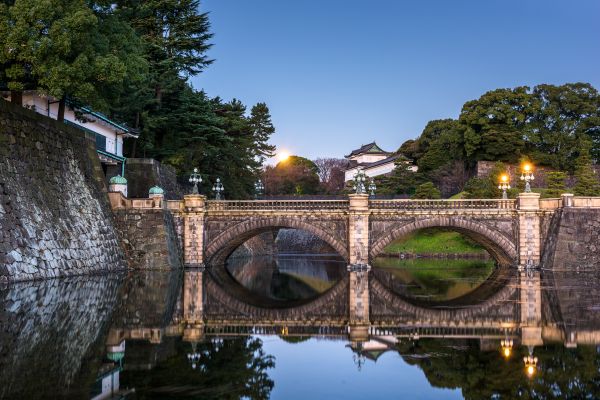
One of the most iconic images of the Imperial Palace is the Nijūbashi Bridge, a double structure that crosses the moat and leads to the palace's main gate. Its name translates to "double bridge" and derives from its original wooden construction with two levels.
Today, the bridge is made of stone and iron, but it has retained its charm and is extremely popular with photographers. Access to the bridge is permitted only on special occasions (for example, on New Year's Day or the Emperor's birthday), but it can be admired and photographed from a distance, in front of the gate.
Imperial Collections Museum (Sannomaru Shōzōkan)
This museum is located in the eastern part of the complex and houses an impressive selection of artworks, manuscripts, textiles, ceramics, and other artifacts from the imperial family's collections.
Exhibitions change periodically and showcase Japan's cultural heritage. The museum building is modern yet discreet, blending harmoniously with the traditional landscape.
Useful Museum Information:
- Free admission
- Online booking is recommended for certain exhibitions
- Official website for reservations: e-tix.jp/shozokan/en
Guided Tours of the Imperial Palace
Visitors can participate in free guided tours of the complex (without access to the residence buildings), available twice daily at 10:00 AM and 1:30 PM. The tour lasts approximately 75 minutes and offers an overview of the palace's history, architecture, and significance.
Reservations:
- Can be made online on the website: sankan.kunaicho.go.jp
- On-site registration is also possible, but spaces are limited
Tickets and Access
- East Gardens: free access, no ticket required
- Guided tour of the complex: free, but requires reservation
- Imperial Collections Museum: free; certain special exhibitions may have an entrance fee
How to Get to the Imperial Palace
The palace is easily accessible by public transport. The nearest stations are:
- Tokyo Station (Marunouchi exit): 10 min walk
- Nijubashimae Station (Chiyoda Line): 5 min walk
- Otemachi Station (Marunouchi, Tozai, Chiyoda, Hanzomon Lines): 10-15 min walk
- Sakuradamon Station (Yurakucho Line): 15 min walk
Helpful Tips for Visitors
- Wear comfortable shoes – tours involve a lot of walking
- Avoid visiting on closure days (Mondays, Fridays)
- Photography is permitted in most outdoor areas, but prohibited during guided tours
- Visit in spring or autumn for spectacular scenery
Reviews and Opinions
Most visitors describe the Imperial Palace as an "impressive, peaceful, and extremely well-maintained" place. The East Gardens are often praised for the diversity of flowers and relaxing landscape, and guided tours offer valuable information, especially for those interested in Japanese history. Many recommend arriving early to avoid crowds and secure tour spots.
You can see photos and read reviews about the Imperial Palace here.
Why You Shouldn't Miss Tokyo's Imperial Palace
If you're in Tokyo, a visit to the Imperial Palace offers a welcome break from urban hustle and a journey into a world filled with tradition, tranquility, and elegance. It's the perfect place to better understand Japanese history and admire the refinement of Japanese landscaping. Even though access to the buildings' interiors is limited, the entire complex conveys an air of sobriety and imperial dignity that deserves to be experienced.
You might also want to check out How to Use the JR Pass Train in Japan