Learn how to start a herb garden with easy steps for pots or beds, the best beginner herbs, sunlight tips, watering advice, and care.
How to Start a Herb Garden at Home
Fresh basil that actually tastes like something, mint for iced drinks, and rosemary within arm’s reach of your kitchen – that is usually why people start searching for how to start a herb garden. The good news is that herbs are one of the easiest ways to begin gardening. You do not need a big yard, expensive tools, or a perfect green thumb. You just need the right setup, a few smart choices, and a little consistency.
Herb gardens are beginner-friendly because many herbs grow well in containers, recover quickly from light mistakes, and reward you fast. Snipping leaves for dinner a few weeks after planting feels much more satisfying than waiting months for a larger garden crop. If you want a low-stress project that makes your home feel fresher and your meals taste better, this is a strong place to start.
How to start a herb garden without overcomplicating it
The easiest mistake is trying to grow every herb you like all at once. A better approach is to begin with three to five herbs you will actually use. Think about what you cook most often. If you make pasta, basil, oregano, and parsley make sense. If you love tea or summer drinks, mint and lemon balm may earn their spot faster.
Start by deciding where your herbs will live. Most need at least six hours of sun a day, so a sunny windowsill, balcony, patio, porch, or small backyard bed can all work. If your indoor light is weak, herbs may survive, but they can turn leggy and slow-growing. In that case, an outdoor container garden is often easier than forcing an indoor setup to perform.
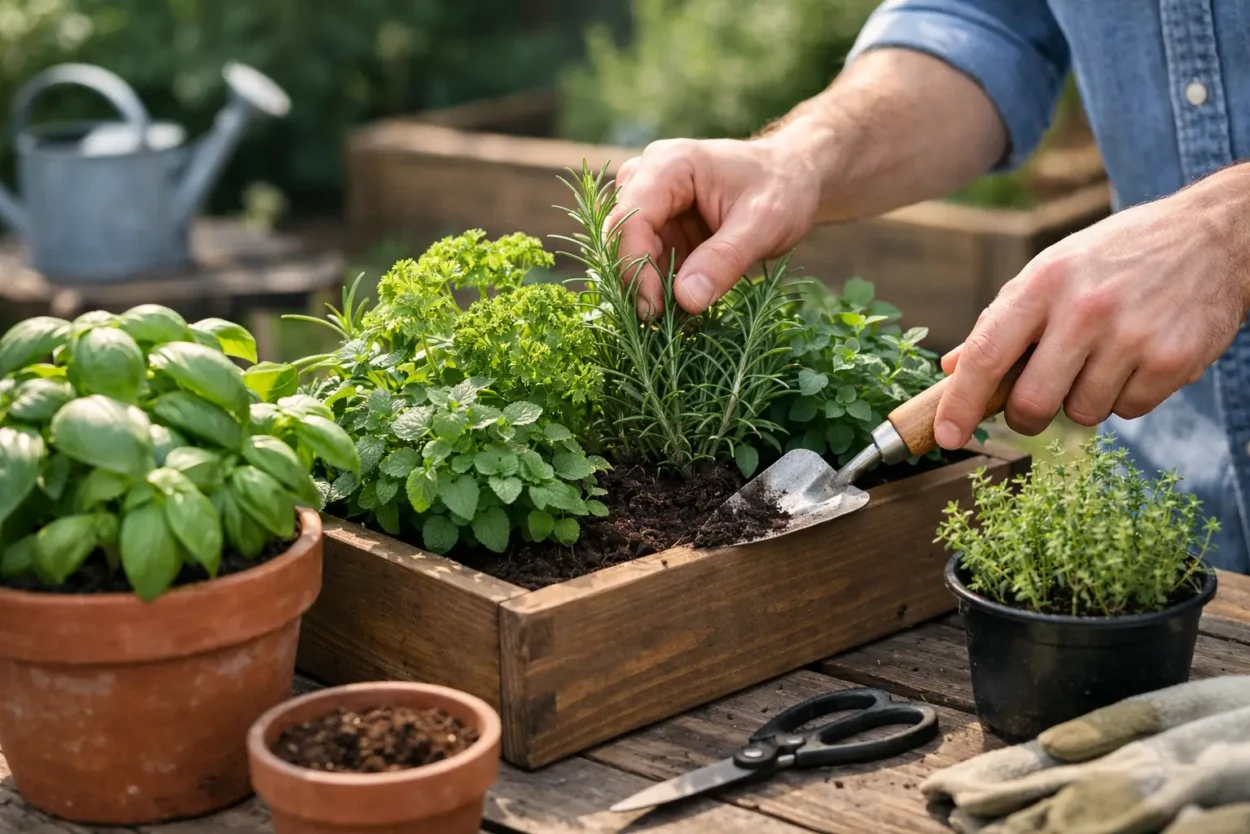
Once you know your location, choose between pots, raised beds, or in-ground planting. Containers are usually the best option for beginners because they give you more control over soil, drainage, and placement. They are also easier to move if the weather shifts or your herbs need more sun.
Choose the best herbs for beginners
Some herbs are forgiving. Others are a little fussier than their reputation suggests. If you are new to gardening, start with herbs that grow quickly and bounce back well.
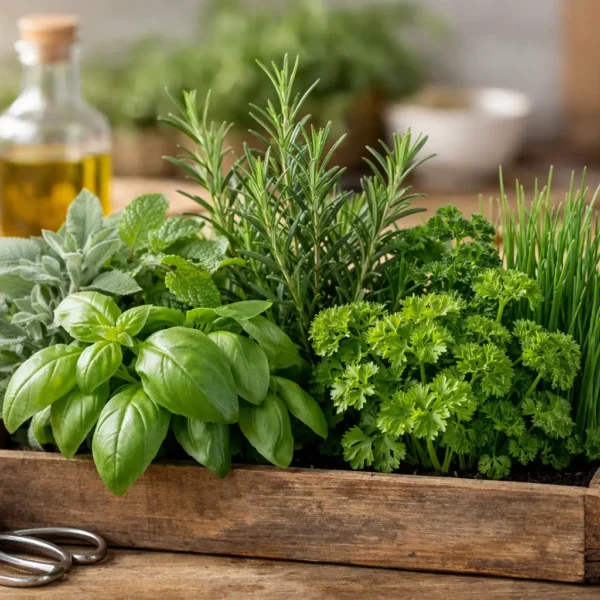
Basil is a favorite for a reason. It grows fast in warm weather and gives you a lot to harvest if you pinch it regularly. Parsley is another solid pick, especially if you want something versatile for everyday cooking. Chives are low maintenance and useful for eggs, salads, potatoes, and dips. Mint grows enthusiastically, almost too enthusiastically, which is why it is best kept in its own pot. Rosemary and thyme are great if you want herbs that lean a little more drought-tolerant once established.
Cilantro can be rewarding, but it often bolts quickly in heat, so it depends on your climate and timing. If you live somewhere very warm, you may have better luck growing it in cooler months. That is a good example of how herb gardening gets easier when you work with your conditions instead of against them.
Seeds or starter plants?
If speed and simplicity matter most, buy starter plants. They cost more than seeds, but they remove a lot of uncertainty and give you a head start. This is especially helpful for basil, rosemary, thyme, sage, and parsley.
Seeds are cheaper and satisfying if you enjoy the process, but they can test your patience. Some herbs sprout quickly, while others take their time or germinate unevenly. If your goal is to build confidence, there is nothing wrong with starting with nursery plants and trying seeds later.
A mix works well too. You might buy a healthy basil plant and grow chives from seed. That way you get quick results and still try a lower-cost option.
Containers, soil, and drainage matter more than fancy gear
You do not need a stylish gardening setup to get good results, but you do need the basics right. The most important one is drainage. If a pot does not have drainage holes, skip it or use it only as a decorative outer container. Herbs generally dislike sitting in soggy soil.
Choose pots that give roots enough room to grow. Small starter pots are fine short term, but most herbs do better when moved into something more spacious. Terracotta pots look great and dry out faster, which can help prevent overwatering. Plastic pots hold moisture longer, which may be useful in very hot climates. Neither is automatically better. It depends on how often you can water and how hot your space gets.
Use potting mix, not soil dug from the yard. Potting mix is lighter, drains better, and is much more reliable for containers. If you are planting in a raised bed or garden plot, look for loose, well-draining soil with compost mixed in.
Light, water, and the habits that keep herbs alive
Most herbs want sun and not too much water. That sounds simple, but watering is where many beginners get tripped up. People tend to water on a schedule instead of checking what the plant actually needs.
Stick your finger about an inch into the soil. If it feels dry, water. If it still feels damp, wait. Herbs like basil and parsley usually want more regular moisture than rosemary or thyme, which prefer to dry slightly between waterings. This is another reason grouped planting deserves a little thought. Putting a moisture-loving herb next to a drought-tolerant one can make care less convenient.
Sunlight is the other big factor. If your herbs are stretching toward the window, producing pale leaves, or staying small, they probably need more light. Rotate indoor pots every few days so growth stays more even. Outdoors, keep an eye on intense afternoon heat in peak summer. Some herbs love it, while others appreciate a little break if temperatures get extreme.
How to start a herb garden indoors
If you are working with an apartment or a small home, indoor herb gardening is still absolutely possible. The key is being realistic about your light. A bright south-facing window is ideal. East- and west-facing windows can also work, depending on the season and how much direct sun they get.
Keep herbs close to the light source and away from heating or air-conditioning vents that can dry them out fast. Do not crowd too many plants into one tiny windowsill if airflow is poor. Herbs need some breathing room.
Indoor gardens also benefit from regular trimming. If you only harvest a little from one side and let the rest grow wild, plants can become uneven and weak. Gentle, frequent harvesting keeps many herbs fuller and more productive.
Common mistakes that make herb gardens fail
Overwatering is the biggest one, followed closely by poor light. A cute kitchen corner may look perfect, but if it gets only an hour of weak sun, your herbs will struggle no matter how often you talk to them.
Another common issue is planting mint with everything else. Mint spreads aggressively and can take over a shared container or bed. Give it its own pot and let it do its thing there.
Beginners also wait too long to harvest. It feels strange to trim a plant that still looks small, but light harvesting actually helps many herbs branch out. The exception is when a plant is newly transplanted and still adjusting. Give it a little time to settle first.
Finally, do not ignore flowers. Once some herbs flower, leaf production can slow and flavor may change. Pinching flower buds on basil, for example, often helps keep the plant productive longer.
Harvesting and keeping your herb garden going
The best part of learning how to start a herb garden is that maintenance gets easier once the plants settle in. Harvest in small amounts but do it regularly. For leafy herbs like basil, parsley, and mint, trim above a leaf set so the plant sends out new growth. For woody herbs like rosemary and thyme, avoid cutting too deep into old brown stems.
Use herbs often. A garden tends to stay healthier when it becomes part of your routine instead of a decorative project you admire from a distance. Add chives to scrambled eggs, basil to sandwiches, mint to water, and rosemary to roasted vegetables. Frequent use helps you notice problems early too.
If your herbs outgrow their space, prune them back or repot them. If one plant never seems happy, do not take it personally. Every gardener has a few herbs that thrive and a few that act dramatic. Sometimes the fix is care. Sometimes it is simply choosing a different herb that suits your home better.
A small herb garden does not need to be perfect to be worth it. Even a few thriving pots can make cooking feel more fun, your space feel more alive, and gardening feel a lot more doable than you expected. Start small, pay attention, and let your garden teach you what works.