
Discover the best herbs for kitchen garden success, from basil to thyme, with easy tips on what to grow, where to plant, and how to harvest.
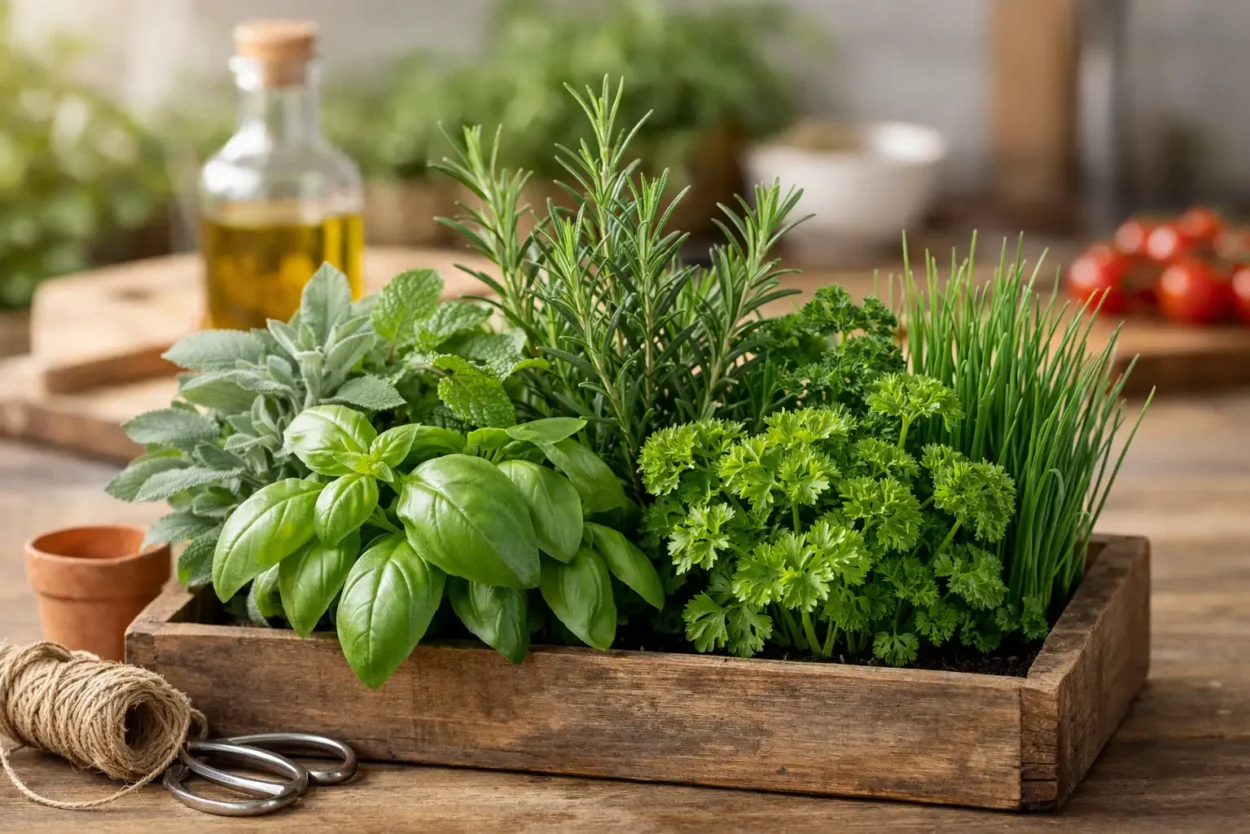
10 Best Herbs for Kitchen Garden Success
A kitchen garden gets a lot more useful the moment you stop treating herbs like an afterthought. A few well-chosen plants by the back door, on a balcony, or in a sunny window can change how you cook every day. If you’re wondering about the best herbs for kitchen garden success, the answer is not simply the prettiest plants at the nursery. It is the herbs you will actually use, the ones that grow well in your space, and the ones that do not demand expert-level care.
For most home gardeners, the sweet spot is a mix of fast-growing, forgiving herbs and a few slower, more permanent favorites. That gives you quick wins now and flavor later. Some herbs thrive in containers, some want room to spread, and a few are wonderful until they suddenly take over. Knowing the difference saves time, money, and a lot of frustration.
How to choose the best herbs for kitchen garden spaces
The best kitchen herbs do two jobs at once. They need to be practical for cooking, and they need to suit the way you garden. A sunny patio with pots calls for different choices than a raised bed in the yard. If you cook pasta, salads, soups, roasted vegetables, eggs, and simple chicken dishes, you will probably get more value from basil, parsley, chives, thyme, mint, rosemary, cilantro, oregano, sage, and dill than from more niche herbs.
Sunlight is usually the deciding factor. Most herbs want at least six hours of sun, though parsley, mint, and chives are more forgiving than rosemary or basil. Drainage matters just as much. Herbs generally hate sitting in soggy soil, especially Mediterranean types like oregano, thyme, rosemary, and sage. If your space tends to stay wet, containers may work better than planting straight in the ground.
There is also the question of how much upkeep you want. Basil and cilantro grow quickly but need regular replanting or succession sowing. Rosemary and thyme are lower maintenance once established, but they are slower to size up. Mint is easy, almost suspiciously easy, and is best grown in its own pot unless you want a mint-themed yard.
The 10 best herbs for kitchen garden use
Basil
Basil is usually the first herb people think of, and for good reason. It grows fast, smells amazing, and makes everyday meals taste fresher with almost no effort. If you like pasta, pizza, tomato salads, or homemade dressings, basil earns its space quickly.
It does best in warm weather with full sun and even moisture. Pinching off the top growth helps it stay bushy rather than tall and spindly. The trade-off is that basil is not a plant you can ignore for weeks. It bolts in heat, dislikes cold, and usually performs as a warm-season annual.
Parsley
Parsley is one of the most useful herbs in any kitchen garden because it works in far more dishes than people expect. It brightens soups, grain bowls, eggs, sauces, roasted potatoes, and simple vegetable sides. Flat-leaf parsley is usually preferred for cooking, while curly parsley is often chosen for looks.
It handles cooler weather better than basil and can tolerate partial sun. Parsley is also a good option for beginner gardeners because it is less fussy than it looks. It is not the most dramatic herb in the garden, but it may be the one you cut most often.
Chives
Chives are ideal if you want an herb that feels almost effortless. They come back reliably, fit easily into containers, and give a mild onion flavor that works on eggs, potatoes, dips, salads, and soft cheeses. The purple flowers are also edible and make a kitchen garden look instantly prettier.
They are not as bold as green onions or scallions, which is exactly why many cooks love them. You can snip what you need and the plant keeps going. For a small-space herb garden, chives are a smart pick.
Mint
Mint is one of the easiest herbs to grow and one of the easiest to regret planting in the wrong place. It spreads aggressively, so containers are the safer option. If you love iced drinks, fruit salads, yogurt sauces, or tea, mint is worth growing.
It tolerates less sun than many other herbs and bounces back quickly after harvest. The only real catch is control. Keep it in a pot, give it regular water, and it will reward you with more leaves than most households can use.
Rosemary
Rosemary brings structure to a kitchen garden and a deeper, woodsy flavor to cooking. It pairs beautifully with potatoes, chicken, bread, and roasted vegetables. In warm climates, it can become a long-lasting shrub. In colder areas, many gardeners grow it in pots so it can be moved or protected.
This is not the herb for wet soil or heavy-handed watering. Rosemary likes sun, airflow, and a slightly leaner setup. If your style of gardening is a bit forgetful, that may actually work in its favor.
Thyme
Thyme is compact, attractive, and more versatile than it gets credit for. It adds depth to soups, roasted meats, vegetables, beans, and sauces without overpowering everything else. Because it stays relatively small, it works well in containers, borders, and raised beds.
Like rosemary, thyme prefers sharp drainage and plenty of sun. It is not flashy, but it is dependable. If you want an herb that quietly improves dinner without demanding much attention, thyme belongs on the shortlist.
Oregano
Oregano is a great choice for cooks who lean toward pizza, pasta sauce, grilled vegetables, or Mediterranean flavors. It grows enthusiastically and can become a solid low-growing plant over time. Fresh oregano is stronger and more peppery than many people expect, so a little goes a long way.
It likes similar conditions to thyme and rosemary – sunny, warm, and not overly wet. The biggest decision is whether you want it mostly for fresh use or drying. Oregano dries especially well, which makes it useful beyond peak growing season.
Cilantro
Cilantro can be a bit divisive on the plate and a bit tricky in the garden, but if you love salsa, tacos, curries, or noodle bowls, it is worth the effort. The flavor is hard to replace, and homegrown cilantro often tastes better than store-bought bunches that wilt in the fridge after two days.
Its main challenge is that it bolts quickly in hot weather. That means cilantro is often best in spring and fall, or with repeat sowing every couple of weeks. If you want a constant supply, think of it as a short-term crop rather than a one-and-done plant.
Sage
Sage has a soft, velvety look that gives a kitchen garden texture as well as flavor. It is especially good with chicken, squash, beans, brown butter, and fall recipes. Common sage is also fairly drought tolerant once established.
This herb is a good fit if you want something ornamental and edible at the same time. It is not as universally used as parsley or basil, so whether it counts among your best herbs depends on your cooking style. For cozy, savory meals, it absolutely earns its keep.
Dill
Dill brings a fresh, slightly tangy flavor that works beautifully in pickles, seafood, potatoes, salads, and creamy sauces. It also has feathery foliage that softens the look of a garden bed. If you enjoy cooking lighter spring and summer meals, dill adds something distinct.
It grows quickly from seed but can be a little delicate in very hot conditions. Like cilantro, it tends to be a shorter-lived herb, so repeated sowing helps. The bonus is that both the leaves and seeds are useful, which gives it more range than some gardeners realize.
Best herbs for kitchen garden beginners
If you want the easiest starting lineup, begin with basil, parsley, chives, mint, and thyme. That combination covers a wide range of everyday cooking, grows well in containers, and gives you a mix of quick harvests and low-maintenance plants.
If your space is tiny, prioritize the herbs you buy most often at the grocery store. There is no prize for growing sage if you use it twice a year. A practical kitchen garden should reflect your actual meals, not someone else’s picture-perfect planting plan.
A simple setup that works
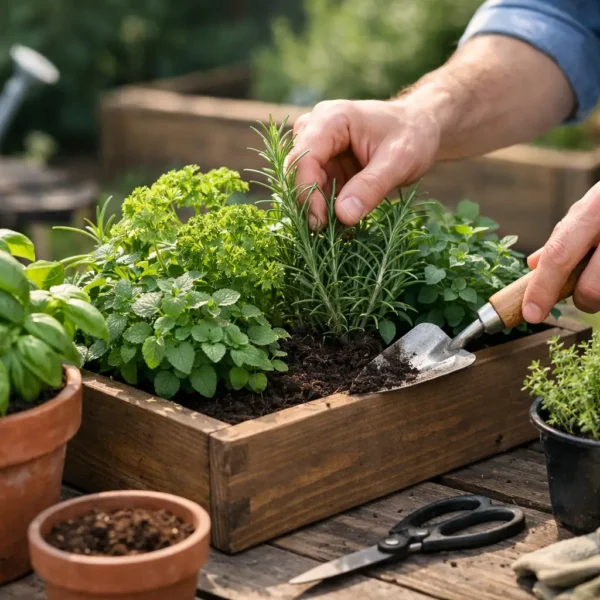
A beginner-friendly herb garden does not need to be elaborate. A few pots with drainage holes, good potting mix, and a spot that gets solid sun are enough for a strong start. Group herbs with similar needs together. Basil and parsley appreciate more consistent moisture, while rosemary, thyme, oregano, and sage prefer drying out a bit between waterings.
Harvest often, but do not strip plants bare. Regular snipping encourages growth, especially for basil, parsley, and chives. With woody herbs like rosemary and thyme, lighter, frequent harvests are usually better than one severe cut.
If something struggles, it does not always mean you are bad at gardening. Sometimes the herb is wrong for the location, the pot is too small, or the watering schedule is off for that specific plant. Kitchen gardens are meant to be flexible. Swap, replant, and adjust until the setup fits your routine.
The best herb garden is the one that makes dinner easier on a random Tuesday. Start with a few favorites, let your cooking habits guide the rest, and your kitchen garden will feel useful long before it feels impressive.
Comments are closed.