Choosing the right foundation can transform your makeup from naturally luminous to heavy and mismatched. From identifying your skin undertone to finding the perfect shade and formula, we break down every detail that matters.
How to Choose the Perfect Foundation: Complete Guide for a Flawless Complexion
Choosing the right foundation can make the difference between natural, luminous makeup and a look that appears heavy, uneven, or… completely wrong. From your skin undertone to your skin type and coverage level, there are many details that count.
In this complete guide on how to choose the perfect foundation, we discuss:
- your skin undertone and how to identify it,
- how to find the right shade,
- which formula suits your skin type,
- alternatives to foundation,
- concrete examples of affordable products available in Romania,
- including organic options.
Let’s go through them one by one.
1. First Step: What Skin Type Do You Have?
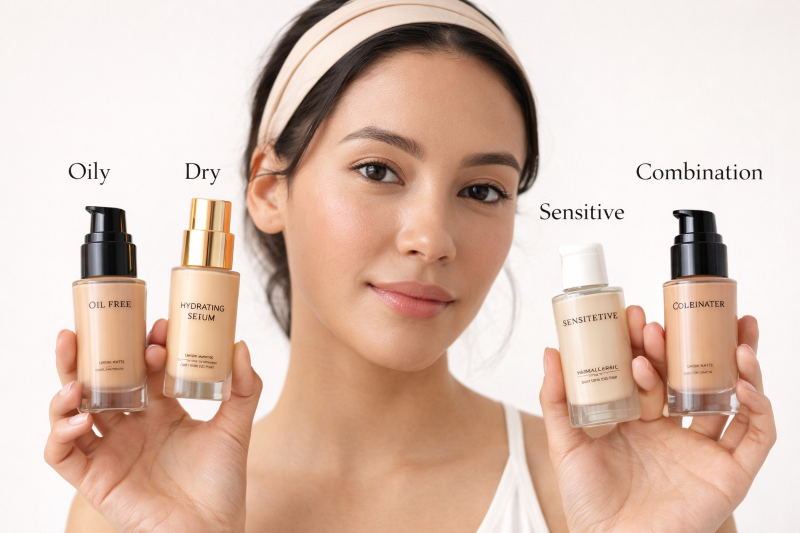
Before looking at shade, you need to know your skin type:
- Oily skin – excessive shine, enlarged pores, prone to acne.
- Dry skin – feeling of tight skin, flaking.
- Combination skin – oily T-zone, normal or dry cheeks.
- Normal skin – balanced.
- Sensitive skin – reacts easily to new products.
💡 Simple rule:
- Oily skin → matte formulas, oil-free.
- Dry skin → hydrating formulas, with luminous finish.
- Combination skin → semi-matte foundation.
- Sensitive skin → fragrance-free formulas, dermatologically tested.
Comparative Table – Skin Type → Recommended Foundation
| Skin Type | What to Look For | What to Avoid | Product Examples Available in Romania |
|---|---|---|---|
| Oily skin | Mattifying formula, oil-free, transfer-resistant, non-comedogenic | Very luminous finish, oily formulas | Maybelline Fit Me Matte + Poreless, Revlon ColorStay Foundation (combination/oily variant), Estée Lauder Double Wear Stay-in-Place |
| Dry skin | Hydrating foundation, with hyaluronic acid, luminous finish | Very strong matte formulas | L’Oréal Paris True Match, Bourjois Healthy Mix Foundation |
| Combination skin | Semi-matte formula, balanced, medium coverage | Very greasy or very dry products | L’Oréal Paris True Match, Revlon ColorStay Foundation |
| Sensitive skin | Fragrance-free, dermatologically tested, gentle ingredients | Products with alcohol, intense fragrance | La Roche-Posay Toleriane Teint, PuroBIO Sublime Foundation |
| Natural / Daily Makeup | Light coverage, lightweight texture | Very high coverage | Garnier BB Cream, Bourjois 123 Perfect CC Cream |
| Organic Option | Bio certification, silicone-free, paraben-free | Products with many synthetic ingredients | Lavera Natural Liquid Foundation, PuroBIO Sublime Foundation |
2. Skin Undertone – The Secret to a Perfect Shade
Many choose foundation based only on how light or dark it is. But the key is your skin undertone.
There are three main types:
🔸 Warm Undertone
- Veins appear greenish.
- Gold jewelry flatters you.
- Skin has a yellowish or golden tone.
🔸 Cool Undertone
- Veins appear blue or purple.
- Silver jewelry looks better.
- Skin has a rosy tone.
🔸 Neutral Undertone
- Veins are hard to define.
- Both gold and silver flatter you.
👉 Many brands note undertone with letters:
- W (warm)
- C (cool)
- N (neutral)
If you choose the wrong undertone, foundation can look orange or ashy on your skin, even if the lightness level is correct.
Quick Table – Skin Undertone → What Foundation Shade to Choose
| Skin Undertone | How to Recognize It | What Codes/Letters to Look For | How Foundation Should Look on Skin |
|---|---|---|---|
| Warm | Greenish veins, gold jewelry flatters you, skin has yellowish/golden tone | W, Warm, Golden, Beige, Sand | It “melts” into skin without pink or ashy tone |
| Cool | Blue/purple veins, silver jewelry flatters you, rosy tone | C, Cool, Rose, Pink | Evens out without appearing orange |
| Neutral | Veins hard to define, both gold and silver look good | N, Neutral, Natural | Fits naturally without leaning toward yellow or pink |
| Olive | Subtle greenish tone, natural light bronze | Olive, O, Golden Olive | Doesn’t become orange or gray on skin |
Concrete Examples of Interpreting Shade Codes
At many brands, the shade code contains undertone information:
- L’Oréal Paris True Match uses combinations like 2N, 3W, 4C.
- Estée Lauder Double Wear Stay-in-Place has codes like 1W2, 2C3 etc.
- Maybelline Fit Me Matte + Poreless sometimes mentions Warm, Natural, or Cool in the description.
👉 If you see the letter “W” but foundation looks pink on your skin, it means the lightness level is wrong, not necessarily the undertone.
Quick Professional Trick
If your foundation:
- looks gray → wrong undertone.
- looks orange → too dark or too warm.
- looks intense pink → too cool for you.
Properly applied foundation should visually disappear within 10–20 seconds after blending.
🎯 Quick 30-Second Test to Identify Your Undertone
Not sure what undertone you have? Quickly answer these 4 questions:
1️⃣ What do the veins on your wrist look like?
- Green → probably warm undertone
- Blue or purple → probably cool undertone
- Can’t tell → possibly neutral
2️⃣ What jewelry flatters you more?
- Gold → warm undertone
- Silver → cool undertone
- Both look good → neutral
3️⃣ How does your skin react to the sun?
- You tan easily, rarely burn → warm or olive
- You get red quickly → cool
- You tan moderately → neutral
4️⃣ What color suits you better in clothes?
- Cream, beige, earthy tones → warm
- Pure white, cool pink, deep blue → cool
- Most colors look good → neutral
Quick Conclusion
If you mostly chose:
- 🔸 “warm” answers → look for W / Golden / Beige
- 🔹 “cool” answers → look for C / Rose / Pink
- ⚖️ balanced combination → start with N / Neutral
💡 Bonus small tip:
If you’re still torn between two shades, test both on your jawline and go into natural light. The right foundation shouldn’t be noticeable.
3. How to Find the Right Foundation Shade?
✅ Test on the jawline, not on your hand
Hand color differs from face color.
✅ Test in natural light
Store lighting can distort perception.
✅ Wait 5–10 minutes
Some foundations oxidize (darken after application).
✅ Choose the neck shade
Foundation should match your face to your neck, not create a difference.
4. What Coverage Level Do You Need?
- Light coverage – evens out skin gently (ideal for natural makeup).
- Medium coverage – covers redness and light imperfections.
- Full coverage – for acne, pigmentation spots, scars.
You don’t have to choose heavy coverage. Sometimes, a lighter foundation + concealer applied strategically looks more natural.
5. Examples of popular and affordable foundations in Romania
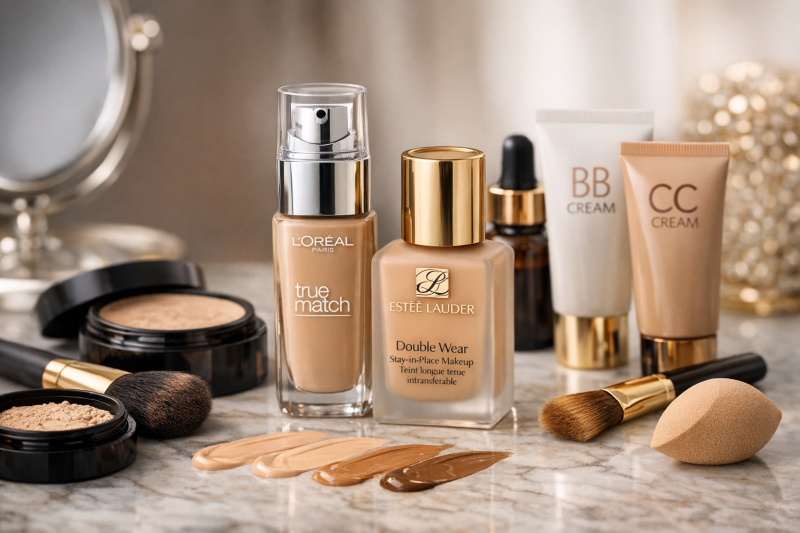
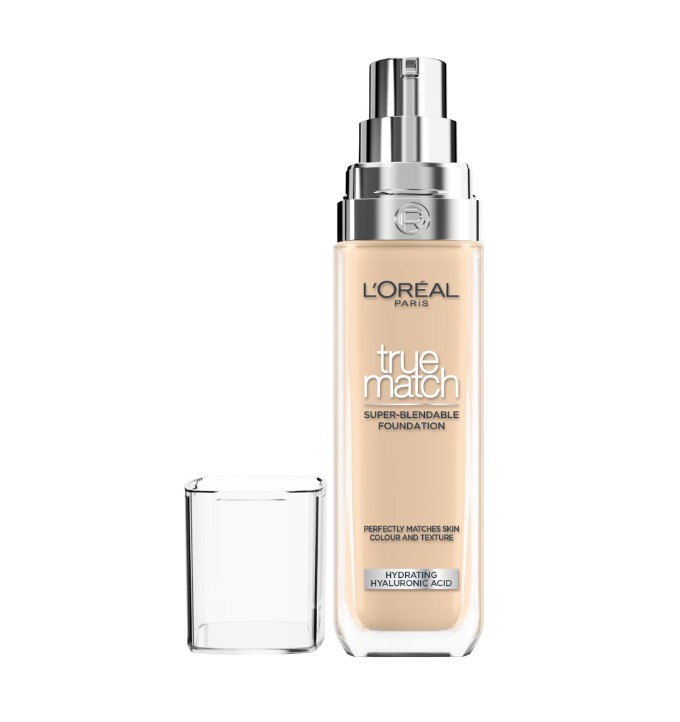
🔹 L’Oréal Paris True Match
- Well-differentiated undertones (W, C, N)
- Medium coverage
- Natural finish
- Available at DM, eMAG, Notino
- Suitable for normal/combination skin
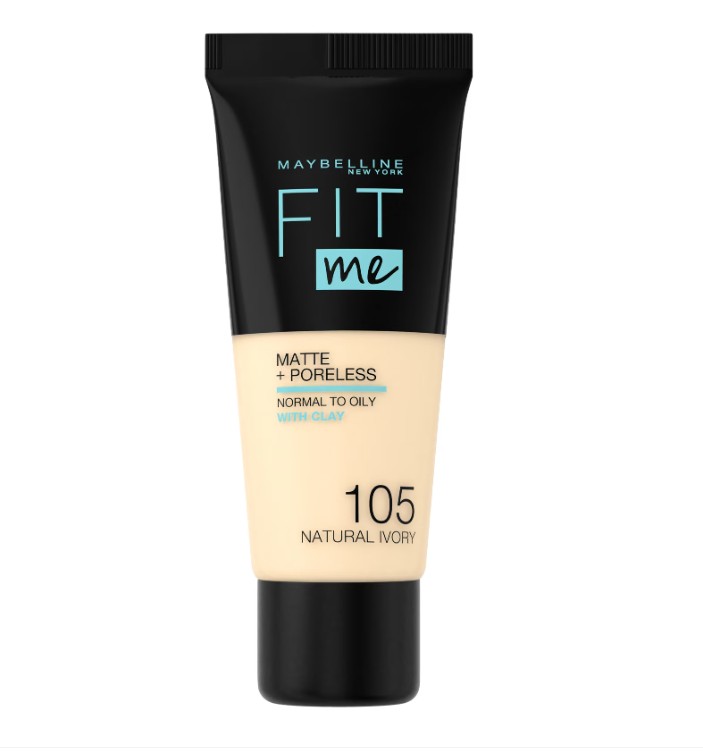
🔹 Maybelline Fit Me Matte + Poreless
- Ideal for oily skin
- Matte finish
- Medium coverage
- Very affordable
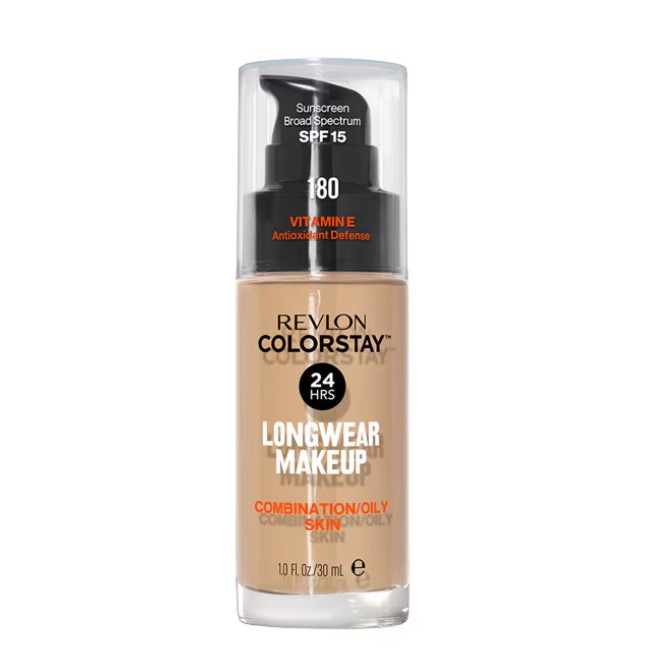
🔹 Revlon ColorStay Foundation
- High durability
- Variants for combination/oily and normal/dry skin
- Medium to full coverage
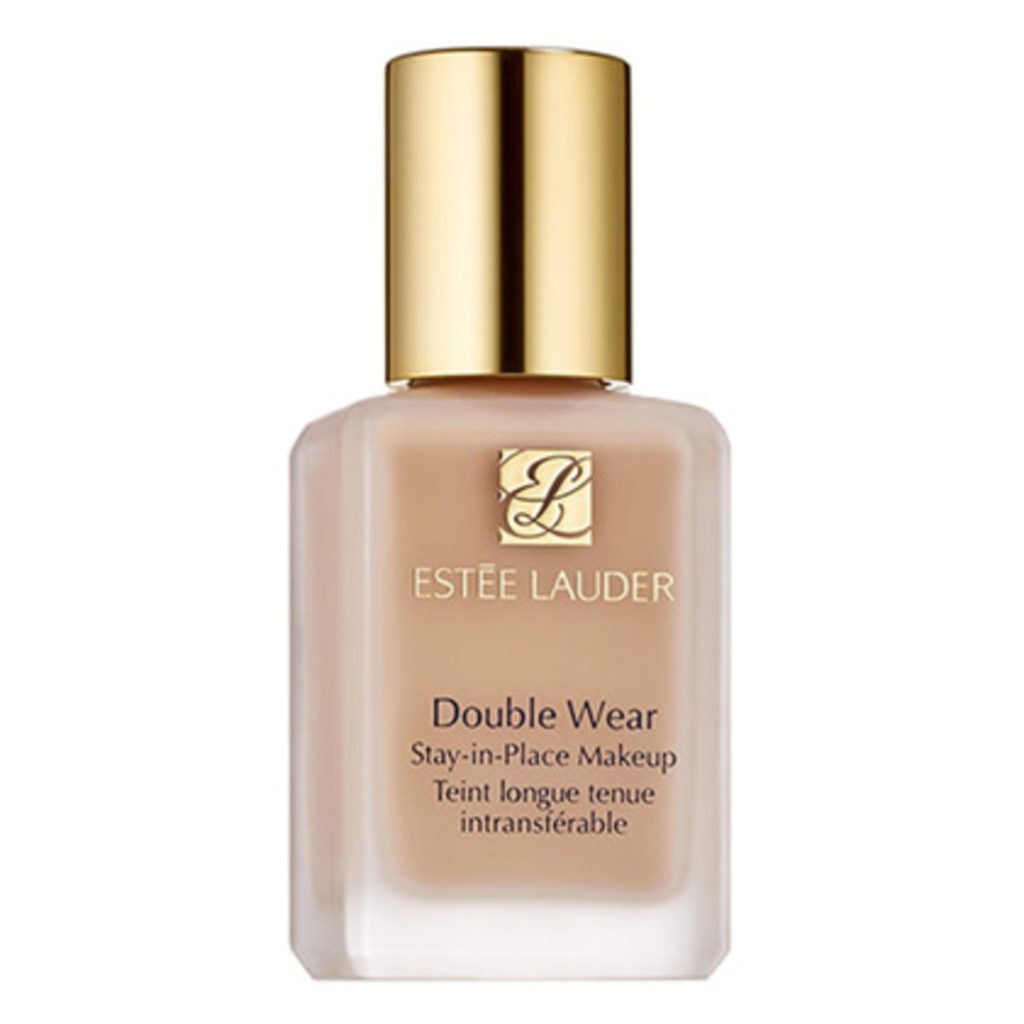
🔹 Estée Lauder Double Wear Stay-in-Place
- Full coverage
- Excellent durability
- Suitable for events or skin with imperfections
6. Organic or natural options – are they worth it?
Yes, especially if you have sensitive skin or are careful about ingredients.
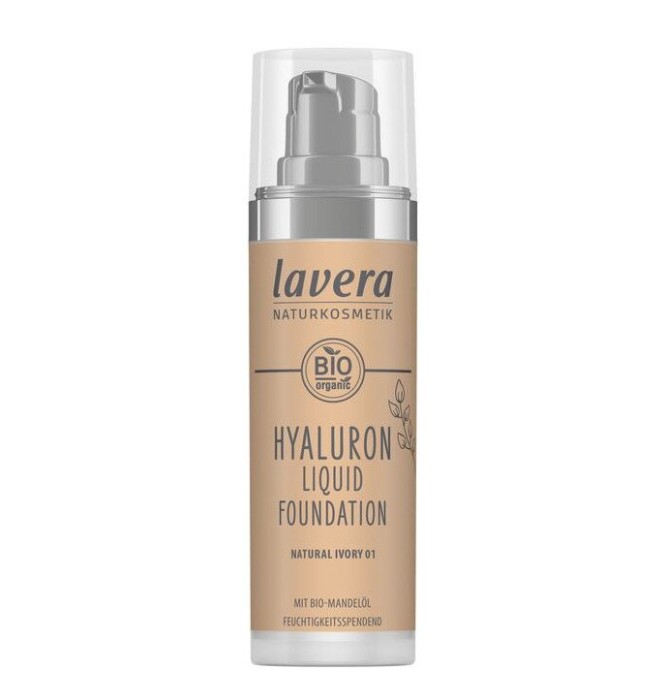
🔹 Lavera Natural Liquid Foundation
- Natural certification
- Silicone-free
- Natural finish
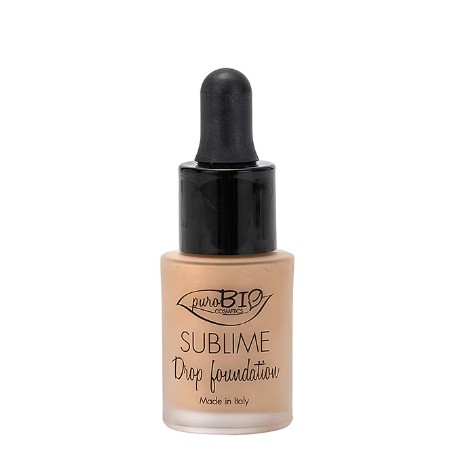
🔹 PuroBIO Sublime Foundation
- Italian organic brand
- Light texture
- Suitable for sensitive skin
Organic foundations may have less coverage, but they are a good alternative for daily use.
7. Alternatives to foundation
Not everyone needs classic foundation.
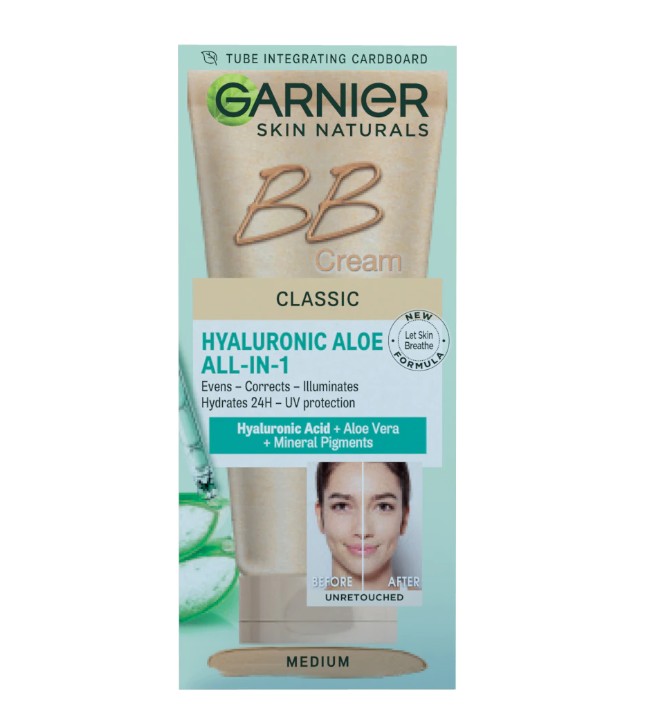
✔️ BB Cream
- Light coverage
- Moisturizing + SPF
- Ideal for daytime makeup
Example: Garnier BB Cream
✔️ CC Cream
- Corrects redness
- More coverage than BB
- Evens out skin tone
Example: Bourjois 123 Perfect CC Cream
✔️ Tinted moisturizer
- Very light
- Natural appearance
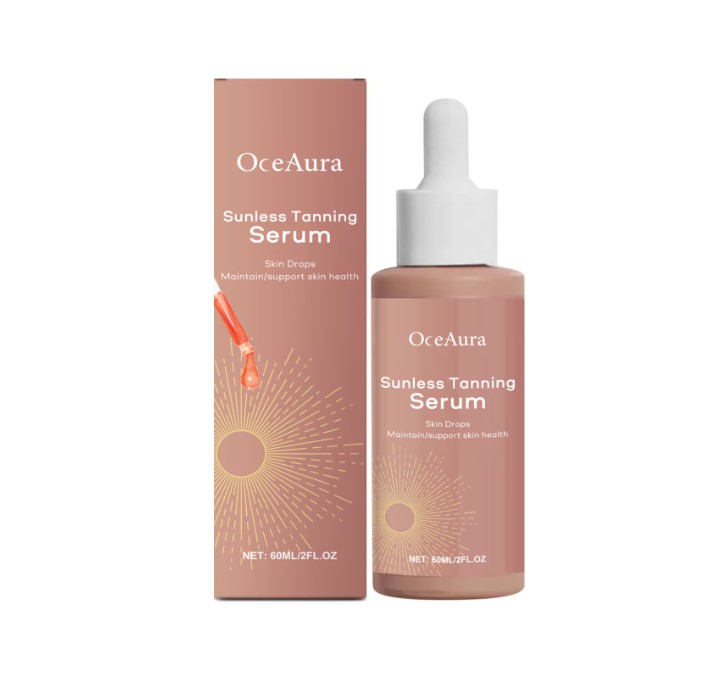
✔️ Facial self-tanner
- Does not replace foundation, but lightly evens out skin tone
- Useful for a “glow” look without makeup
8. Common mistakes when choosing foundation
- You choose the color based on how tanned you want to look.
- You ignore your undertone.
- You don’t adjust your foundation to the season (in summer your skin is darker).
- You don’t take your skin type into account.
- You don’t apply foundation to dry/dehydrated skin.
☀️❄️ How to adapt your foundation in summer vs. winter
Our skin doesn’t look the same in all seasons. The level of hydration, the degree of tan and even the texture of the skin change. That’s why it’s normal (and recommended!) to adjust your foundation depending on the season.
🌞 Summer – lighter, more resistant
In summer, the skin:
- is more tanned,
- produces more sebum,
- sweats more easily,
- needs lighter textures.
What to choose in summer:
- light or medium coverage formula,
- semi-matte or natural finish,
- fluid texture,
- transfer resistance,
- SPF included (but without giving up the cream with SPF applied before).
You can opt for:
- BB cream,
- resistant fluid foundation,
- tinted moisturizer.
👉 Many people use a shade 1 tone darker in summer than in winter.
❄️ Winter – more moisturizing, brighter
In winter, the skin:
- is lighter in color,
- dehydrates more easily,
- may have dry areas.
What to choose in winter:
- hydrating formula,
- luminous or natural finish,
- creamier texture,
- avoid very matte formulas if you have dry skin.
If you use the same foundation all year round, you risk:
in summer → looking too oily,
in winter → highlighting dry areas.
🎨 The ideal solution: two shades, a perfect result
Many people use:
- a lighter shade for winter,
- a darker one for summer,
- and in spring/autumn they combine them.
It’s a simple and professional solution.
A little trick for the cold season
If your foundation seems too matte in winter:
- mix a drop of hydrating serum or liquid highlighter in your palm before applying.
The result? A brighter look, without changing the product.
FAQ – Frequently Asked Questions
Should foundation be lighter or darker than your skin?
Exactly the same shade as your neck.
Does foundation change with the season?
Yes. Many people use a darker shade in the summer.
What if I can’t find the perfect shade?
Can you combine two shades
Can I use foundation every day?
Yes, if you cleanse it properly at night and choose a formula that suits your skin type.
Conclusion
Choosing the perfect foundation isn’t about the most expensive brand, it’s about:
- the right undertone,
- the right formula for your skin type,
- the right level of coverage for your style.
Sometimes, the best choice isn’t foundation, but a lighter alternative, like BB or CC cream.