Travel trends for 2026 point to slower trips, smart budgeting, off-season escapes, and AI planning that makes travel easier and more personal.
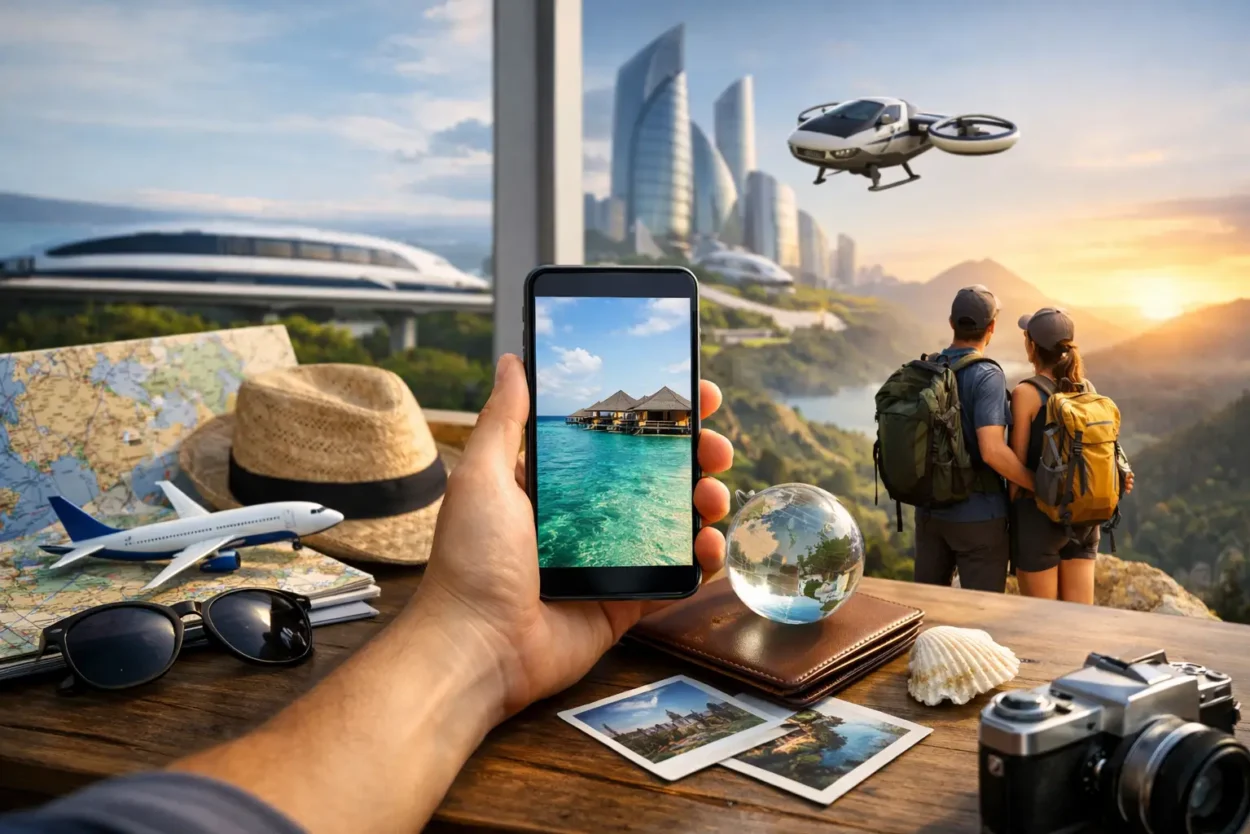
10 Travel Trends for 2026 to Watch
Airfare alerts, flexible booking tools, and social feeds packed with hotel walkthroughs are changing how people plan trips – but the biggest travel trends for 2026 go beyond where people want to go. They show how travelers want to feel when they get there: less rushed, more intentional, and a little more in control of their budget. If you’re already thinking about next year’s vacations, these are the shifts worth paying attention to.
Why travel trends for 2026 feel more personal
For a while, travel was dominated by extremes. Either it was all-out luxury or strict budget mode. Either packed itineraries or quick weekend escapes. The mood heading into 2026 looks different. People still want value, but they also want trips that fit their real lives, not a fantasy version of them.
That means convenience matters more. So does flexibility. Travelers are asking practical questions before they book: Will this trip feel restorative or stressful? Is this destination crowded at the wrong time of year? Can I stretch my budget without making the experience feel cheap? Those questions are shaping bookings just as much as destination trend lists.
1. Off-season travel keeps getting more popular
More travelers are learning that the best version of a destination often shows up just outside peak season. You may get milder weather, lower rates, and fewer crowds, which can completely change the experience. A city that feels overwhelming in July might feel charming in October.
This trend is also tied to cost. Hotel prices and flights can swing dramatically depending on timing, and many travelers are getting smarter about moving their vacation by a few weeks to save money. The trade-off is that some attractions may have shorter hours, and beach weather or festival energy may not be exactly the same. For plenty of people, that is still a fair exchange.
2. Slower trips are replacing packed itineraries
The old model of seeing five neighborhoods, three museums, and two restaurants in one day is losing its appeal. In 2026, more travelers are likely to build around fewer stops and longer stays. Instead of trying to “do” an entire country, they are picking one city, one region, or even one hotel and settling in.
This shift makes sense for people who travel to relax, not just collect photos. It can also be more affordable, since constant transportation between cities adds up fast. Of course, slower travel is not ideal for every trip. If you have limited vacation days, a tighter itinerary might still work better. But the broader shift is clear: people want space in their plans.
3. AI trip planning becomes normal, not novel
AI tools are moving from curiosity to convenience. By 2026, more travelers will use them to compare destination ideas, map out realistic itineraries, translate phrases, and estimate trip costs. That does not mean travel planning becomes automatic. It just becomes faster.
The smart way to use AI is as a starting point, not the final answer. It can suggest a three-day plan for Chicago or help build a family-friendly beach vacation budget, but it may still miss local nuance or recommend places that are overhyped. Travelers who get the most value from these tools will use them to narrow options, then apply their own taste and common sense.
4. Budget-conscious travel looks more strategic
People are still spending on travel, but they are being more selective about where the money goes. In many cases, travelers are cutting extras so they can protect the parts of the trip they care about most. That might mean choosing a basic flight in order to book a better hotel, or staying slightly outside the city center to afford one standout dinner.
This is a useful distinction because budget travel in 2026 does not always mean the cheapest possible trip. It often means value-first planning. Travelers are mixing affordable choices with a few upgrades that matter. That approach tends to feel better than cutting everything and ending up with a vacation that feels exhausting.
5. Smaller cities are getting more attention
Well-known destinations are not going away, but second-tier and smaller cities are becoming more appealing. Part of the reason is practical: lower prices, shorter lines, and a more relaxed pace. Part of it is emotional: people want somewhere that feels fresh, not overly documented by everyone they follow online.
This trend could benefit travelers who like culture, food, and walkable neighborhoods but do not need a checklist of major landmarks. The challenge is that smaller destinations sometimes have fewer direct flights or less public transportation. Still, for many travelers, that trade-off is worth it if the trip feels less crowded and more original.
6. Wellness travel gets more realistic
Wellness travel is sticking around, but it is moving away from ultra-exclusive spa imagery and becoming more practical. In 2026, expect more interest in trips that simply make people feel better – better sleep, more time outside, healthier meals, quiet mornings, and less overbooking.
That can mean a cabin weekend, a beach town with long walks, or a hotel picked for comfort and calm rather than status. Not every traveler wants a meditation retreat. Many just want a trip that does not leave them more tired than when they left home. That shift makes wellness travel feel more accessible and less performative.
7. Multi-generational and group travel stays strong
Travel is increasingly being used to bring people together, especially families and friend groups who want shared experiences instead of more stuff. In 2026, expect group trips to stay popular, from birthday getaways to family vacations with grandparents, kids, and cousins all in one booking.
This changes what people prioritize. Space matters more, kitchens matter more, and itinerary flexibility matters a lot. A romantic boutique hotel may be perfect for a couple but frustrating for a larger group. Group travel can also save money per person, though it usually requires more compromise. The best trips in this category are planned around comfort and ease, not just price.
8. Bleisure travel keeps blurring the line
The mix of business and leisure travel is not new, but it is becoming more common for people who work remotely or have flexible schedules. A work trip that turns into a long weekend, or a vacation with a few light work blocks built in, is increasingly normal.
This trend works best when expectations are clear. If you are trying to work full days from a crowded resort, the experience can get frustrating fast. But when travelers choose destinations and accommodations that support both focus and downtime, the blend can be genuinely useful. It is one of the clearest examples of how travel now fits around lifestyle rather than sitting apart from it.
9. Travelers want better digital tools, but not more friction
One of the most practical travel trends for 2026 is the demand for simpler digital experiences. People like mobile check-in, digital room keys, smart itinerary apps, and live updates when they actually save time. What they do not want is another clunky app, another password, or a confusing booking process.
That means travel brands that win in 2026 will probably be the ones that reduce stress, not just add features. For travelers, this is a reminder to look for convenience where it counts. A slightly pricier booking option with easier changes or clearer communication may be worth more than the lowest sticker price.
10. Travel inspiration is getting more specific
Broad travel content is still useful, but people are increasingly searching with a clear mood or purpose in mind. They are not just looking for “best places to visit.” They want peaceful US beach towns, stylish weekend cities, kid-friendly national park trips, or warm destinations that feel affordable in February.
That matters because travel planning is becoming more lifestyle-driven. Instead of choosing a place first and figuring out the details later, many travelers are starting with the kind of experience they want. This often leads to better choices. It can also reduce that common post-booking regret where the destination looked great online but never really matched the trip you needed.
How to use these travel trends for 2026
If you are planning a trip for next year, the smartest move is not to chase every trend. It is to use them as filters. Think about timing before destination. Think about energy level before itinerary. Think about what will improve the trip for you personally, whether that is extra rest, lower costs, better food, or fewer transitions.
A good 2026 trip will probably look less like a perfect social post and more like a smart fit. That could mean traveling in shoulder season, picking one place instead of three, or letting AI help with the first draft while you make the final calls. The details depend on your budget, schedule, and travel style.
The best part is that travel seems to be moving in a more realistic direction. It is becoming easier to plan around comfort, value, and actual enjoyment instead of pressure. If you’re mapping out your next getaway, that is a pretty good place to start.