
This beginner guide to solo travel covers planning, safety, budgeting, and confidence-building tips to help first-time travelers feel prepared.
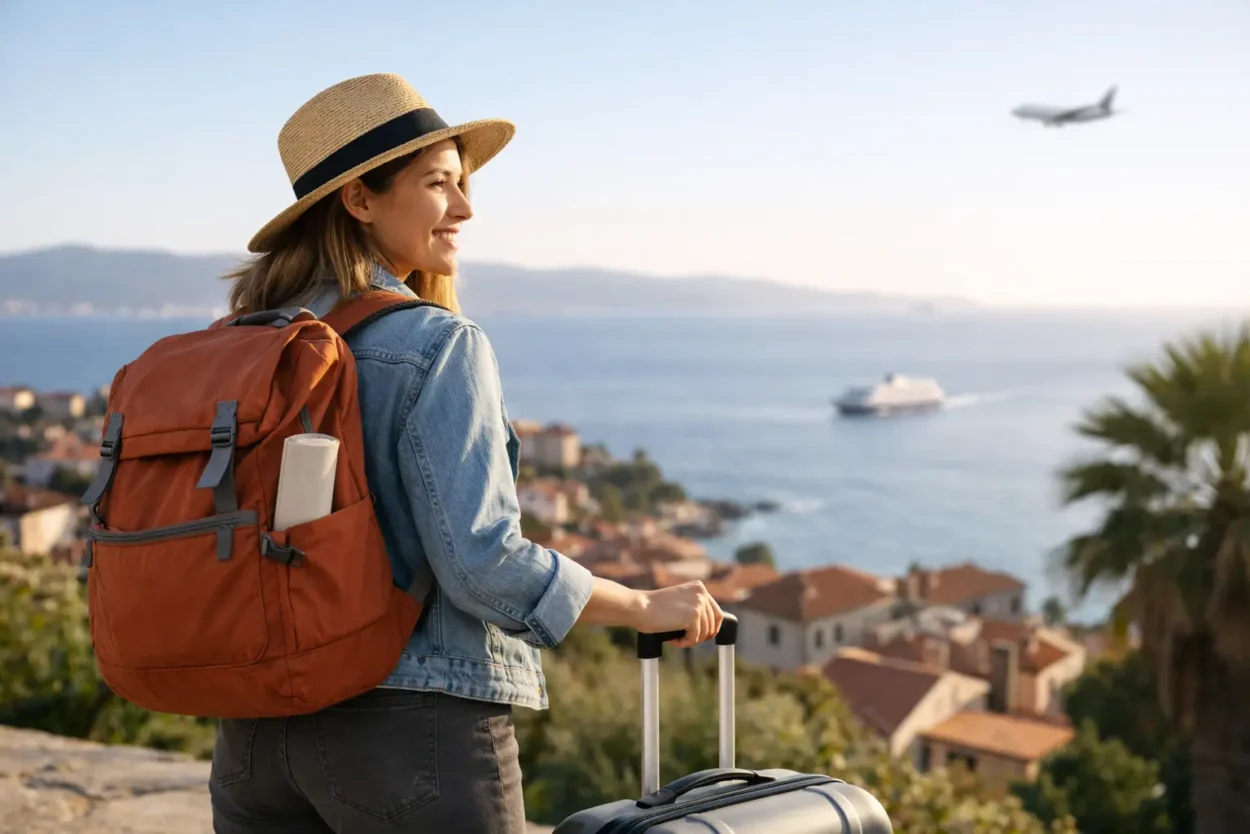
Beginner Guide to Solo Travel That Feels Easy
Booking a trip for one can feel exciting right up until the moment you realize every decision is yours. No group chat, no shared itinerary, no one else checking the train platform or confirming the hotel address. That is exactly why a beginner guide to solo travel matters – not because solo travel is risky by default, but because your first trip feels much easier when you know what to expect.
Solo travel is less about being fearless and more about being prepared. You do not need to be ultra-spontaneous, deeply experienced, or the kind of person who makes friends with strangers in five minutes. You just need a plan that gives you enough structure to feel calm while still leaving room for fun.
Why solo travel feels bigger than it is
Traveling alone comes with a different kind of mental load. You are the planner, navigator, budget manager, and backup plan all at once. For beginners, that can make even a simple weekend trip feel high stakes.
The good news is that first-time solo travel usually gets easier very quickly. Once you handle your own airport day, check into your room, and make it through the first dinner alone, the trip often starts to feel normal. That early discomfort is not always a sign that you made the wrong choice. Sometimes it is just the adjustment period.
Beginner guide to solo travel planning
The easiest first solo trip is usually not the cheapest or the most impressive. It is the one with the fewest moving parts. If you are choosing between a five-city adventure and a direct flight to one walkable destination, go with the simpler option.
For a first trip, look for a place with clear transportation, plenty of daytime activity, and accommodations in a central area. A destination where you can walk to coffee shops, attractions, and basic essentials tends to feel more comfortable than one that requires constant taxis or confusing transfers. Cities, beach towns, and well-known domestic destinations often work well because they offer enough activity without demanding expert-level planning.
It also helps to be honest about your travel style. If you like quiet mornings, do not build an itinerary around nightlife. If you get stressed when plans change, book a few essentials in advance. Solo travel can be freeing, but freedom is more enjoyable when it matches your personality.
Start with a short trip
If this is your first time, there is no rule saying you need to spend two weeks abroad to count as a solo traveler. A two-night city break, a long weekend, or even one night in a nearby destination can be the smartest way to start.
Shorter trips reduce pressure. If you feel awkward eating alone or navigating transit by yourself, you are learning in a low-stakes setting. That confidence carries over fast.
Book the basics before you go
For beginners, a little pre-booking goes a long way. Have your flights or train tickets set, your first accommodation confirmed, and your arrival plan figured out before departure. Know how you are getting from the airport or station to where you are staying.
You do not need every hour scheduled, but you should know the basics. Having those details settled can make the difference between feeling independent and feeling overwhelmed.
How to stay safe without scaring yourself
Safety is one of the biggest reasons people delay solo travel, especially women traveling alone. The reality is that caution matters, but fear does not need to run the trip.
Good solo travel safety is usually made up of simple habits. Choose accommodations with strong reviews in a convenient area. Arrive during daylight if possible. Keep your phone charged. Share your itinerary and lodging details with someone you trust. Pay attention to your surroundings instead of moving through the day distracted.
It also helps to avoid broadcasting too much. You do not need to tell everyone you meet that you are alone, and you do not need to post your location in real time. Being friendly is great. Being private is smart.
There is also a difference between stretching your comfort zone and ignoring your instincts. Trying a new restaurant alone is growth. Walking down a deserted street at midnight because your map says it is faster is often not worth it. A small detour, a cab ride, or an earlier night can be the better choice.
Budgeting for a solo trip
One tricky part of solo travel is that there is no one to split costs with. Hotel rooms, rides, and some tours can feel more expensive when everything lands on one person. That does not mean solo travel has to be expensive. It just means you need to budget differently.
The biggest win is to prioritize what makes the trip easier. Spending a bit more for a central hotel may save money and stress on transportation. Booking a nonstop flight might be worth it if it gets you in at a safer, more convenient time. Cheap options are not always the best value when they create extra hassle.
Food is another place where beginners sometimes overspend without realizing it. Solo travelers often eat out for every meal because it feels easier than planning. A better middle ground is mixing a few nice meals with simple breakfasts, grocery store snacks, and coffee stops. You still get the experience without turning every day into a restaurant bill.
Eating alone gets easier fast
For many first-time solo travelers, dining alone sounds harder than the flight. It can feel exposed at first, especially if you are used to restaurants being social.
The easiest way in is to start casual. Cafes, breakfast spots, food halls, and lunch places tend to feel more relaxed than a candlelit dinner reservation. Bring a book, people-watch, or simply enjoy the fact that you do not have to negotiate where to eat.
After the first few meals, the awkwardness usually fades. In many destinations, solo diners are common. And even when they are not, most people are too busy with their own day to think twice about you.
What to pack for your first solo trip
Packing light makes solo travel noticeably easier. You are the one lifting the bag, finding space for it, dragging it up stairs, and keeping track of it on travel days. If you can manage with a carry-on or a small suitcase, your trip will probably feel smoother.
Focus on versatility. Comfortable shoes, layers, a crossbody or secure day bag, copies of key documents, medications, and a portable charger are more useful than packing for every possible scenario. It is also smart to keep one small emergency cushion in your budget for things like a last-minute ride, a forgotten item, or a schedule change.
If you are tempted to overpack because traveling alone feels uncertain, that is normal. But extra stuff rarely creates real confidence. Knowing where your essentials are does.
How to handle loneliness on a solo trip
Even people who love alone time can feel lonely while traveling. That does not mean solo travel is not for you. It just means the experience is real.
The key is not expecting every minute to feel glamorous. Some moments will be exciting, and some will be ordinary. You might have a great museum morning and then feel oddly homesick while waiting for your takeout. That mix is common.
Building a loose rhythm helps. Plan one or two anchor activities each day, like a neighborhood walk, a market visit, or a museum, and leave space around them. Too much empty time can make a first solo trip feel aimless, while overscheduling can make it exhausting.
If you want some social contact without committing to constant interaction, choose accommodations or activities that make it easier to be around people. A friendly hotel lobby, a group class, or a walking tour can give you connection without changing the whole trip.
The best mindset for first-time solo travelers
The most helpful beginner guide to solo travel is not really about packing cubes or itineraries. It is about lowering the pressure. Your first trip does not need to transform you. It does not need to be perfectly curated, endlessly productive, or full of bold cinematic moments.
It just needs to work for you.
Maybe your version of solo travel is a quiet weekend with good coffee and one museum. Maybe it is a beach trip where you finally read the book sitting on your nightstand for months. Maybe it is a busier city break where you prove to yourself that you can handle more than you thought. All of those count.
You do not have to travel the way social media presents it. A well-planned, comfortable, slightly cautious first trip is not less adventurous. It is often the reason people travel solo again.
If you have been waiting until you feel 100 percent ready, this is your reminder that most people do not. They plan carefully, go anyway, and come home a little more confident than when they left. That is more than enough for a first trip.

Comments are closed.