Body lotion vs body butter explained: compare texture, hydration, ingredients, and the best time to use each for smooth, comfortable skin every single day.
Body Lotion vs Body Butter – Which Is Better?
Fresh from the shower, lotion can feel too light on dry legs, while body butter can feel like too much before you pull on jeans. That is the real question behind body lotion vs body butter: not which product is universally better, but which one fits your skin, climate, and routine right now.
Both can make skin feel softer and more comfortable. The difference comes down to texture, ingredient balance, and how much moisture your skin needs to hold on to. Once you know what each formula does best, building a body-care routine becomes much easier.
Body Lotion vs Body Butter: The Main Difference
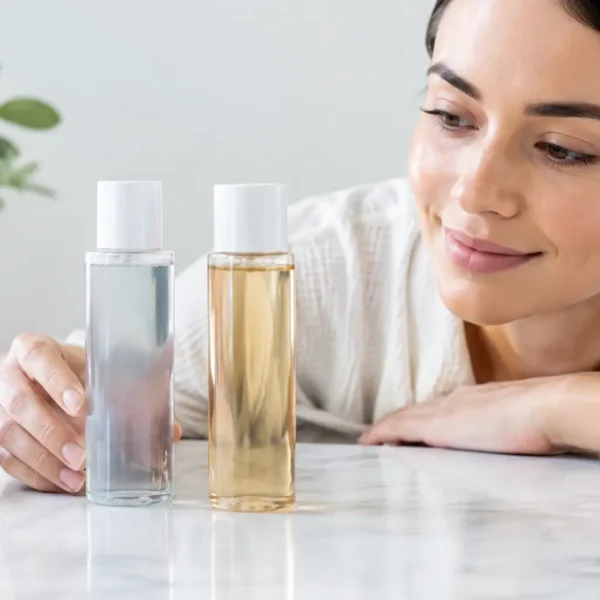
Body lotion is usually thinner, lighter, and faster to absorb. It typically contains more water than richer moisturizers, which gives it that easy, spreadable feel. Lotions are made for everyday use, especially when you want moisture without a heavy layer left on your skin.
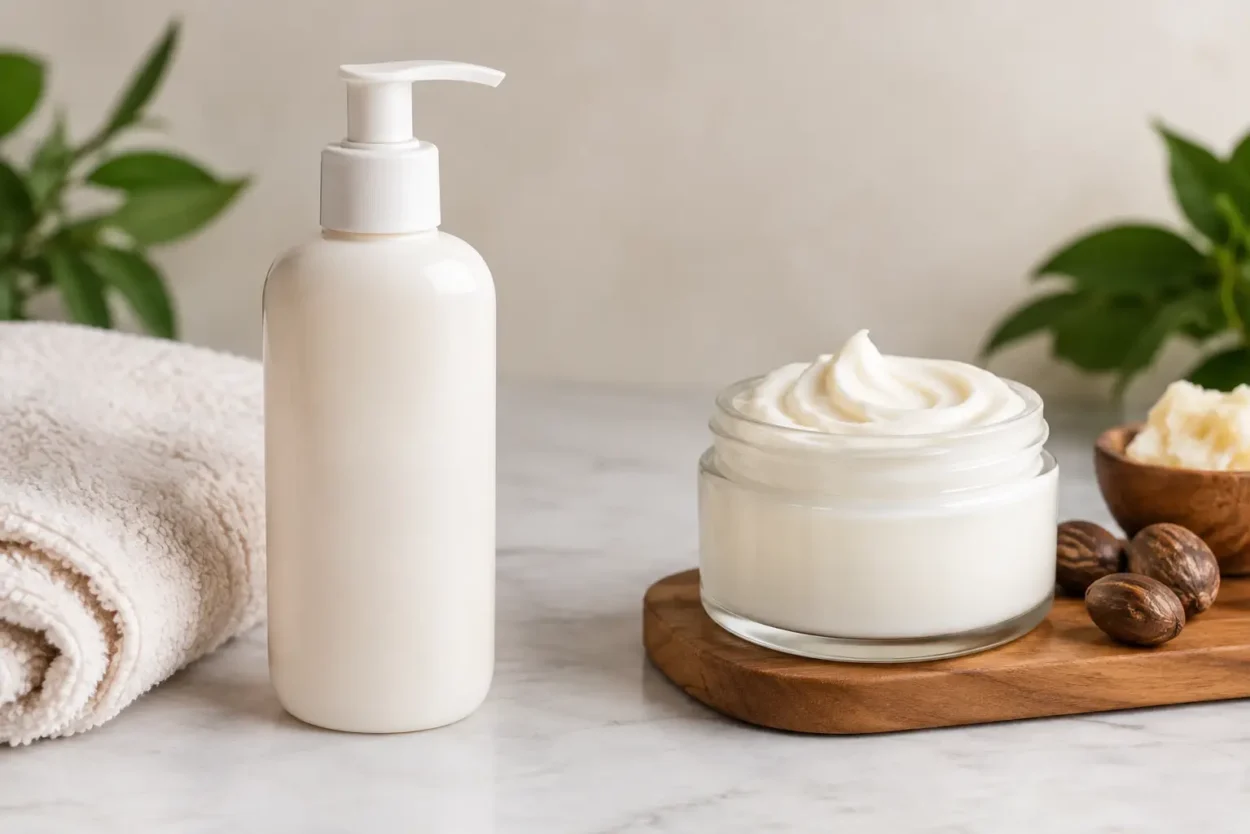
Body butter has a thicker, denser texture. It often relies on plant butters and oils, such as shea butter, cocoa butter, mango butter, coconut oil, or jojoba oil. These ingredients create a more substantial barrier on the skin, helping reduce the moisture that naturally evaporates after bathing or throughout a dry day.
Think of lotion as your reliable daily moisturizer and body butter as your extra-comfort option. There is plenty of overlap, though. A well-formulated lotion can be deeply moisturizing, and a whipped body butter can feel surprisingly light. The ingredient list and your skin’s response matter more than the name printed on the jar.
When Body Lotion Is the Better Choice
Body lotion is an easy match for normal, combination, or slightly dry skin. It works especially well when you want to moisturize your whole body quickly after a morning shower. Because it absorbs fast, you can get dressed soon after applying it without worrying about fabric clinging to your skin.
It is also often the more comfortable choice in humid weather. Heavy products can feel sticky when it is warm outside, particularly on the chest, back, and legs. A lightweight lotion gives skin a soft finish without adding that coated feeling.
If you use moisturizer every day, lotion may also be the product you are most likely to apply consistently. That matters. A formula you enjoy using regularly can do more for dry skin than a richer product that stays untouched in the cabinet.
Look for hydration-focused ingredients
For a lotion that does more than soften the surface, look for ingredients that support hydration and the skin barrier. Glycerin and hyaluronic acid attract water, while ceramides, squalane, and fatty acids help skin feel smoother and less tight. Colloidal oatmeal can be a comforting option for easily irritated skin.
If your skin is sensitive, fragrance-free lotion is often a smart starting point. A pleasant scent can make body care feel more luxurious, but fragrance and essential oils may bother reactive or freshly shaved skin.
When Body Butter Is the Better Choice
Body butter earns its place when skin feels rough, flaky, itchy, or persistently dry. It is particularly useful on areas that tend to need more attention, including elbows, knees, heels, shins, and hands. A richer formula can leave these spots feeling noticeably more cushioned and smooth.
Cold weather is another reason to reach for body butter. Indoor heat, wind, and low humidity can pull moisture from the skin, making even normally balanced skin feel dry. Applying body butter after an evening shower can help you wake up with softer skin instead of that tight, uncomfortable feeling.
It can also be a nice choice before bed, when you do not need to rush into clothes. Apply a small amount to slightly damp skin, then give it a few minutes to settle in. You do not need a huge scoop – a little often goes a long way with a concentrated formula.
Rich does not always mean greasy
Many people avoid body butter because they expect an oily finish. Some formulas are heavy, especially those made with a high amount of coconut oil or thick waxes. Others are whipped or blended with lighter oils, making them easier to spread.
The best approach is to start with a small amount. Warm it between your palms, then press and smooth it over the driest areas first. If your skin still feels slick 10 minutes later, save that butter for nighttime or use it only on targeted areas rather than from head to toe.
Which One Hydrates Dry Skin Better?
For very dry skin, body butter often provides longer-lasting comfort because it contains more oil-based ingredients that help seal in moisture. But it works best when there is moisture to seal in. Applying it immediately after bathing, while skin is still slightly damp, makes a noticeable difference.
That said, dry skin does not always need the heaviest texture available. A lotion with glycerin, ceramides, and a gentle occlusive ingredient can be an excellent everyday option. If you dislike the feel of body butter, you are more likely to stick with lotion – and regular application is a big part of keeping skin comfortable.
A simple middle ground is to use lotion all over and body butter only where you need extra support. This combination works well for people whose arms and torso are comfortable but whose legs and feet become dry easily.
How to Choose Based on Your Skin Type
If your skin is normal or combination, start with lotion and adjust seasonally. You may prefer a lightweight gel-lotion in summer and a creamier lotion in winter.
If your skin is dry, choose a richer lotion for daytime and add body butter at night or on problem areas. You may also benefit from shorter, lukewarm showers, since very hot water can leave skin feeling drier.
If your skin is oily or prone to body breakouts, use a lightweight, non-comedogenic lotion where needed. Thick body butter may be too much for areas that break out easily, such as the chest, shoulders, and back. It may still be perfectly fine for your hands, feet, or lower legs.
If you have sensitive skin, keep the routine simple. Choose fragrance-free formulas and patch-test a new product on a small area first. If you have ongoing redness, cracking, intense itching, or a rash, a dermatologist can help identify whether eczema, contact irritation, or another concern is involved.
Can You Use Body Lotion and Body Butter Together?
Yes, and layering them can be useful when your skin is especially dry. Apply lotion first to add water-loving ingredients and lightweight moisture. Follow with a thin layer of body butter on the driest areas to help hold that moisture in place.
You do not have to layer every day. It is more of a winter, post-shaving, or extra-dry-skin strategy. On a warm morning, lotion alone is usually plenty. On a cold night, the lotion-and-butter combination can feel like a small at-home reset.
The Best Time to Apply Either Product
The most effective time to moisturize is right after bathing, ideally within a few minutes of patting your skin dry. Leave a little water on the skin rather than rubbing yourself completely dry, then apply your product while that moisture is still present.
For lotion, use enough to cover the skin in a thin, even layer. For body butter, focus on dry zones and build up only if your skin needs it. If you use self-tanner, check the product directions first, since heavy moisturizers can affect how some tanning formulas develop or wear.
Body lotion and body butter are not competing products that require one final verdict. Let your skin set the rules: choose lotion for quick, lightweight daily comfort, and reach for body butter when dryness calls for a little more care.