
Learn how to use retinol safely with a simple routine, smart product pairings, and tips to prevent dryness, peeling, and irritation from day one at home.
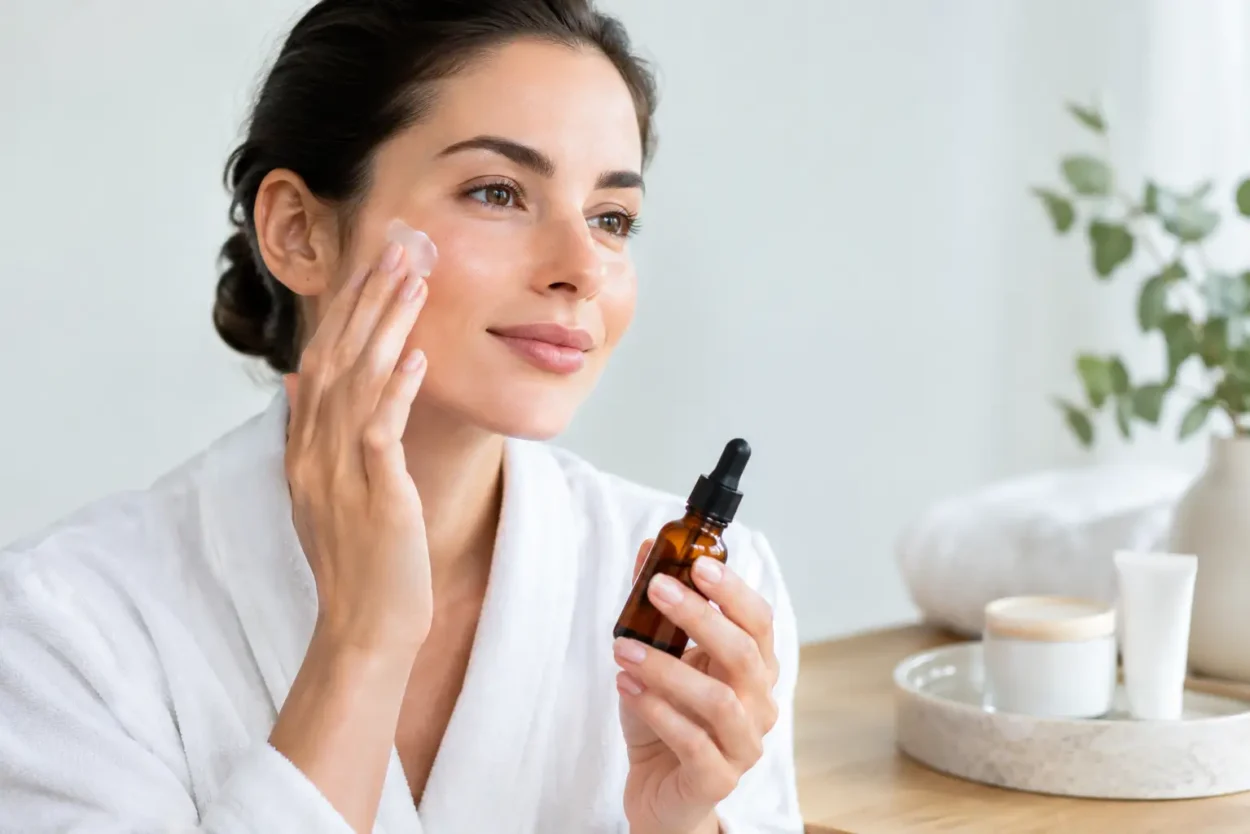
How to Use Retinol Safely Without Irritation
That tiny retinol serum can make a noticeable difference in a skincare routine, but using too much too soon can leave skin tight, flaky, and suddenly sensitive. Learning how to use retinol safely is less about finding the strongest formula and more about creating a routine your skin can actually tolerate.
Retinol is a vitamin A derivative that encourages skin-cell turnover. With consistent use, it can help smooth uneven texture, soften the look of fine lines, fade the appearance of dark spots, and support clearer-looking skin. The catch is that retinol asks your skin to adjust. A slow start is not a setback – it is the strategy that helps you stick with it long enough to see results.
How to Use Retinol Safely: Start Slow
If you are new to retinol, begin with a low-strength over-the-counter formula, often around 0.1% to 0.3%. More advanced users may eventually prefer 0.5% or higher, but a higher number is not automatically better for everyone. Sensitive or dry skin may do beautifully with a gentle formula used only once or twice a week.
Use retinol at night. After cleansing, let your skin dry completely for several minutes before applying it. Damp skin can make products penetrate more quickly, which may increase the chance of stinging and irritation.
Apply an amount about the size of a pea for your entire face. Dot it across your forehead, cheeks, and chin, then spread it in a thin, even layer. Retinol is not a spot treatment, and adding extra product to a dark spot or breakout will not make it work faster.
For the first two weeks, use it one or two nights weekly. If your skin feels comfortable, move up to every third night, then every other night. Some people can use retinol nightly over time, while others get their best results with two or three applications per week. Your ideal schedule depends on your skin, the formula, your climate, and the rest of your routine.
Build a Simple Retinol Routine
The easiest way to avoid problems is to keep retinol nights boring in the best possible way. Skip the temptation to layer every active product you own. A gentle cleanser, retinol, and moisturizer are enough.
If your skin is easily irritated, try the sandwich method. Apply a thin layer of moisturizer first, then retinol, then another light layer of moisturizer. This can slightly cushion the treatment and make the adjustment period more comfortable. It may also slow absorption a little, but for beginners, consistent use of a gentler routine beats quitting an aggressive one.
A basic evening routine can look like this:
- Cleanse with a mild, non-scrubbing cleanser.
- Apply moisturizer first if your skin is dry or sensitive.
- Smooth on a pea-sized amount of retinol.
- Finish with moisturizer, especially around dry areas.
Keep retinol away from the corners of your nose, corners of your mouth, lips, and eyelids unless the product specifically says it is designed for those areas. These spots tend to react first. A small amount of plain moisturizer or petrolatum applied there before retinol can act as a protective buffer.
Do Not Skip Sunscreen the Next Morning
Retinol can make skin more vulnerable to irritation from sun exposure, and sun damage can work against the improvements you are trying to make. Each morning, apply a broad-spectrum sunscreen with SPF 30 or higher as the final step in your skincare routine.
Sunscreen is especially worth prioritizing if you are using retinol for discoloration or uneven tone. Without daily protection, new sun exposure can keep dark spots looking more noticeable. On days spent outdoors, reapply according to the label, especially after sweating or swimming.
This does not mean you have to avoid daylight or hide indoors. It simply means sunscreen becomes part of the retinol plan, much like moisturizer.
Be Careful With Other Active Ingredients
Retinol is usually easiest to introduce when it is the only new active ingredient in your routine. Combining it with too many exfoliating or acne-focused products can cause redness, burning, and peeling that feels more like a damaged skin barrier than a healthy glow.
At first, avoid using retinol in the same routine as strong exfoliating acids, such as glycolic acid, lactic acid, or salicylic acid. Benzoyl peroxide can also be drying and may not pair well with retinol for everyone. You do not necessarily have to give up these ingredients completely. Consider using them on alternate nights instead.
For example, you might use retinol on Tuesday and Saturday, an exfoliant on Thursday, and focus on cleansing, moisturizing, and sunscreen on the remaining days. Once your skin is settled, you can adjust based on your goals and tolerance.
Gentle, barrier-supporting ingredients tend to be easier companions. Look for moisturizers with ceramides, glycerin, hyaluronic acid, squalane, or niacinamide. These can help skin feel more comfortable without turning your routine into a complicated science project.
What Retinol Adjustment Looks Like
A little dryness, mild flaking, or temporary sensitivity can happen when starting retinol. Some people also notice a brief increase in breakouts as clogged pores come to the surface more quickly. This is sometimes called purging, though not every breakout after starting a new product is purging.
Scale back if your skin feels persistently sore, looks very red, burns when you apply basic products, or starts peeling in large patches. Stop using retinol for a few days and focus on a gentle cleanser, plain moisturizer, and sunscreen until your skin feels normal again. When you restart, use a smaller amount less often.
If swelling, hives, intense itching, or a rash develops, stop using the product and seek advice from a healthcare professional. Those symptoms may point to an allergic reaction or significant irritation rather than a normal adjustment period.
Who Should Ask a Professional First?
Retinol is not a one-size-fits-all ingredient. If you have eczema, rosacea, very reactive skin, or a compromised skin barrier, it is wise to check with a dermatologist before adding it to your routine. They can help you choose a gentler option or recommend a different treatment that better suits your skin concerns.
People who are pregnant, trying to conceive, or breastfeeding should ask their obstetrician or dermatologist before using retinol or other topical retinoids. Recommendations can vary, so personal medical guidance is the safest choice.
Prescription retinoids such as tretinoin are stronger than cosmetic retinol and come with their own instructions. Do not assume an over-the-counter schedule applies to a prescription product. Follow the directions from your prescriber.
Choose Consistency Over Fast Results
Retinol is a long-game skincare ingredient. Some people notice a smoother feel after several weeks, but visible changes in texture, tone, or fine lines often take two to three months of steady use. Taking breaks when your skin needs one will not ruin your progress.
It also helps to manage expectations. Retinol can improve the look of many common concerns, but it will not erase deep scars overnight or replace professional treatment for every skin issue. Think of it as a reliable supporting player in a routine built around gentle cleansing, moisturizing, and sun protection.
If you remember one thing, let it be this: skin that feels calm is more likely to stay consistent. Start with less product, give it time, and let comfort guide your next step.