
Pack lighter and travel better with the best carry on essentials, from comfort items to smart organizers that make every flight easier.
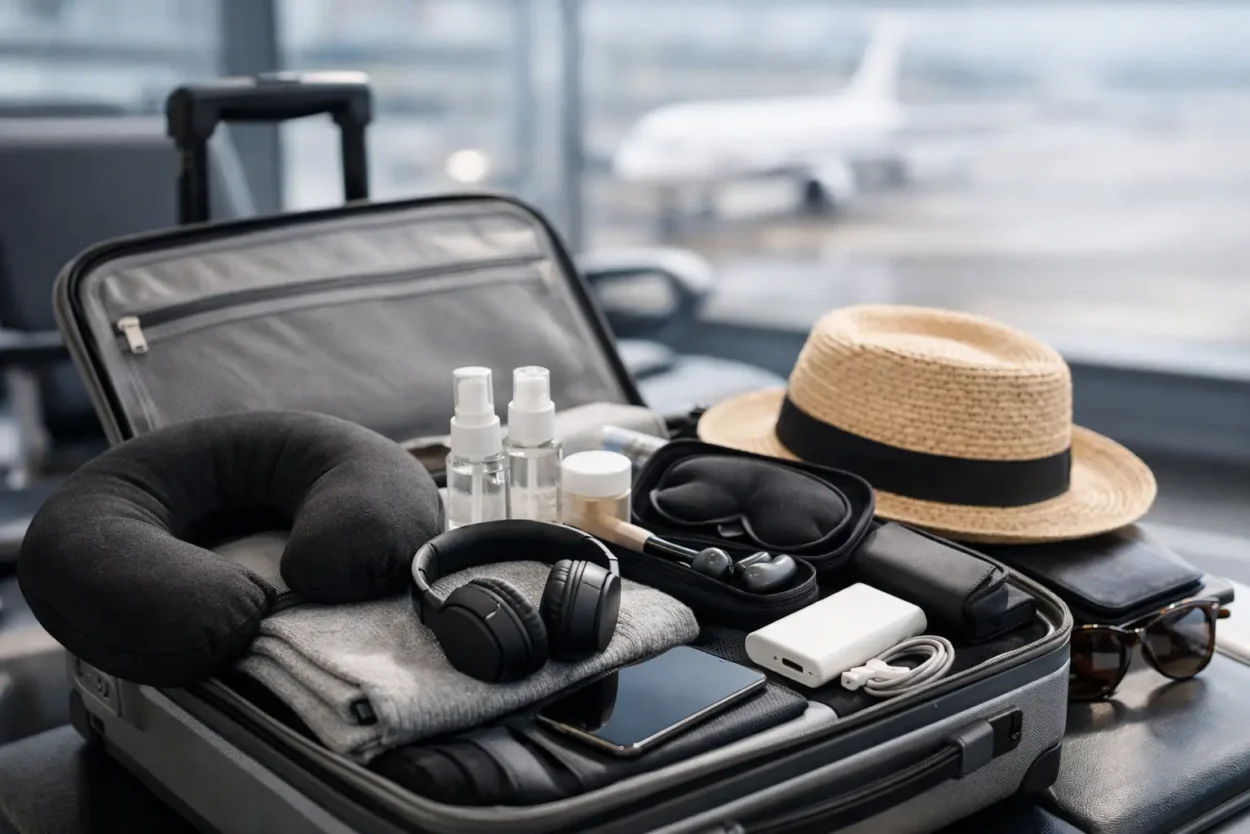
15 Best Carry On Essentials to Pack Smart
A delayed boarding call is when your bag strategy either proves itself or falls apart. If you have the best carry on essentials within easy reach, travel feels calmer fast – even when the gate changes, the overhead bins fill up, or your flight turns into a long day of waiting.
The goal is not to cram your carry-on with every just-in-case item you own. It is to pack the things that actually improve comfort, keep you organized, and help you handle small travel problems without stress. For most travelers, the sweet spot is a compact setup that covers comfort, tech, documents, and a few personal basics.
What makes the best carry on essentials worth packing
A good carry-on item earns its space. That usually means it does at least one of three things: saves time, adds comfort, or prevents hassle. If something is bulky, single-purpose, or easy to buy on arrival, it may not deserve a spot.
This is where people often overpack. They bring too many outfit extras and not enough practical items for the airport and the flight itself. A second sweater might be nice, but a portable charger, water bottle, and pain reliever are usually more useful.
It also depends on the trip. A quick domestic weekend flight calls for a different setup than an international overnight route. Still, there are a few essentials that work almost every time.
Best carry on essentials for a smoother trip
1. Travel documents in one easy-to-grab place
Start with the obvious, because nothing matters if you cannot get through security or boarding. Keep your ID, passport if needed, boarding pass, and a backup payment method in one slim wallet or document pouch. If you are the type to toss receipts and cards into random pockets, this one change can make the entire travel day feel less chaotic.
A phone wallet works for some people, but it is not always ideal. If your battery dies, you do not want your documents tied to the same device. A separate organizer is usually the safer move.
2. Portable charger
This is one of the true non-negotiables. Airports are full of dead outlets, occupied charging stations, and awkward floor sitting. A fully charged power bank keeps your phone alive for maps, boarding passes, ride-share apps, and entertainment.
Choose one that is small enough to carry easily but strong enough for at least one full phone charge. Bigger is not always better if it makes your bag heavy.
3. Reusable water bottle
Cabin air is dry, and airport drinks are expensive. Bringing an empty reusable water bottle through security is one of the easiest travel upgrades. Fill it after screening and keep it handy during the flight.
Insulated bottles are great for long travel days, but they do add weight. If you like to travel light, a slimmer bottle may be the better choice.
4. Headphones or earbuds
The best carry on essentials are often the ones that help you create a little personal space. Good headphones can turn a loud gate area or chatty cabin into something much more tolerable.
Noise-canceling styles are especially helpful on longer flights, though basic wired or wireless earbuds still do the job if you want to save money and space. Just remember that wireless earbuds need battery power, so charge them before you leave.
5. A light layer
Planes run cold often enough that a lightweight sweater, wrap, or zip-up hoodie is worth carrying even in summer. It is one of those items you may not need for every minute of the trip, but when you need it, you really need it.
A soft oversized scarf can also work if you want something more flexible. It can double as a blanket or neck support without taking up much room.
6. Snacks that actually satisfy
Airport food is unpredictable. Sometimes it is overpriced, sometimes it is underwhelming, and sometimes your connection is too tight to grab anything. Packing a few easy snacks gives you backup.
Think simple and low-mess: nuts, protein bars, crackers, dried fruit, or trail mix. The best option is something you will genuinely want to eat, not something healthy-looking that stays untouched at the bottom of your bag.
7. Toiletry mini kit
A small pouch with your most useful personal care basics can make a huge difference, especially during delays or long-haul travel. Lip balm, hand sanitizer, moisturizer, tissues, a toothbrush, and a travel-size deodorant cover most situations without taking over your bag.
You do not need your entire bathroom shelf. Focus on dry cabin air, public-touch surfaces, and anything that helps you feel refreshed after a few hours in transit.
8. Medications and a few just-in-case basics
Always keep prescription medication in your carry-on, never in checked luggage. Add a few practical extras like pain reliever, allergy medicine, motion sickness tablets, or bandages if you use them regularly.
This is not about packing a mini pharmacy. It is about having the basics that can save a trip from becoming uncomfortable fast.
9. Packing cubes or a small organizer pouch
Carry-ons get messy quickly, especially if you are pulling things out at security, at the gate, and mid-flight. Packing cubes or internal pouches help separate clothing, tech, and personal items so you are not digging through everything to find one charger cable.
If you only want one organizer, make it a tech pouch. Loose cords and adapters are some of the easiest things to lose.
10. Pen
It sounds old-school until you need one. A pen comes in handy for customs forms, luggage tags, quick notes, and travel paperwork. It weighs almost nothing and solves a surprisingly common problem.
11. Wet wipes or disinfecting wipes
Tray tables, armrests, and seatbelt buckles are not known for sparkle. A small packet of wipes is useful for a quick clean-up, wiping hands before a snack, or dealing with spills.
They are especially nice if you are traveling with kids, but even solo travelers end up using them more than expected.
12. Sleep support items
If you are taking a red-eye or a long flight, comfort matters more than usual. A neck pillow, eye mask, and earplugs can make sleep a lot more realistic.
That said, this is where personal preference matters. Some travelers love neck pillows and others find them bulky and annoying. If yours clips onto your bag easily, great. If not, an eye mask and a soft hoodie may be the more practical combo.
13. Tablet, e-reader, or downloaded entertainment
Do not count on in-flight entertainment working perfectly, and do not assume airport Wi-Fi will cooperate. Download a few movies, shows, podcasts, playlists, or books before you leave.
A tablet is great for long trips, but your phone may be enough for a short flight. The key is having offline options.
14. A compact crossbody or personal item setup
The best carry on essentials are not just what you pack but how you access them. A small crossbody bag or well-organized personal item keeps your highest-priority items close without opening your main bag every time.
This works especially well for passports, phone chargers, lip balm, and headphones. Less rummaging means less stress.
15. One change of essentials, not a full backup wardrobe
If you are checking a suitcase, your carry-on should still include a minimal backup: clean underwear, socks, and one basic top. That gives you breathing room if your checked bag is delayed.
There is no need to carry a full second outfit unless your trip has a specific reason for it. A few key clothing basics are usually enough.
How to choose the best carry on essentials for your trip
Not every traveler needs the exact same setup. A parent flying with toddlers will prioritize wipes, extra snacks, and entertainment. A business traveler may care more about chargers, a laptop sleeve, and wrinkle-resistant layers. A weekend traveler might want the lightest possible bag with only the basics.
A good rule is to pack for the travel day first, then the destination second. Most carry-on mistakes happen when people think only about what they will wear once they arrive and forget what they will need during six to twelve hours of transit.
It also helps to think in zones. Keep documents and valuables in the easiest-to-reach pocket. Put comfort items near the top. Store less urgent things like backup clothes at the bottom. That way your bag works with you instead of becoming a pile of fabric and cables.
Common carry-on mistakes to avoid
The biggest mistake is bringing too many maybe items and not enough proven essentials. If something has never helped you on a past trip, it probably does not need to come now.
Another common issue is ignoring weight. Even if your bag technically fits airline size rules, a heavy carry-on becomes annoying in security lines, boarding lanes, and crowded terminals. Hard-sided luggage, oversized bottles, and bulky accessories add up quickly.
Finally, do not leave all your organization until the night before. A quick check of chargers, travel-size liquids, downloaded entertainment, and medications can save you from airport purchases you never wanted to make.
A smart carry-on does not need to be perfect or expensive. It just needs to make your trip easier, more comfortable, and a little less hectic from takeoff to arrival. If your bag helps you move through the airport with less stress and more confidence, you packed well.