
This guide to growing lavender covers sun, soil, watering, pruning, and winter care so you can enjoy fragrant plants and better blooms at home all summer.
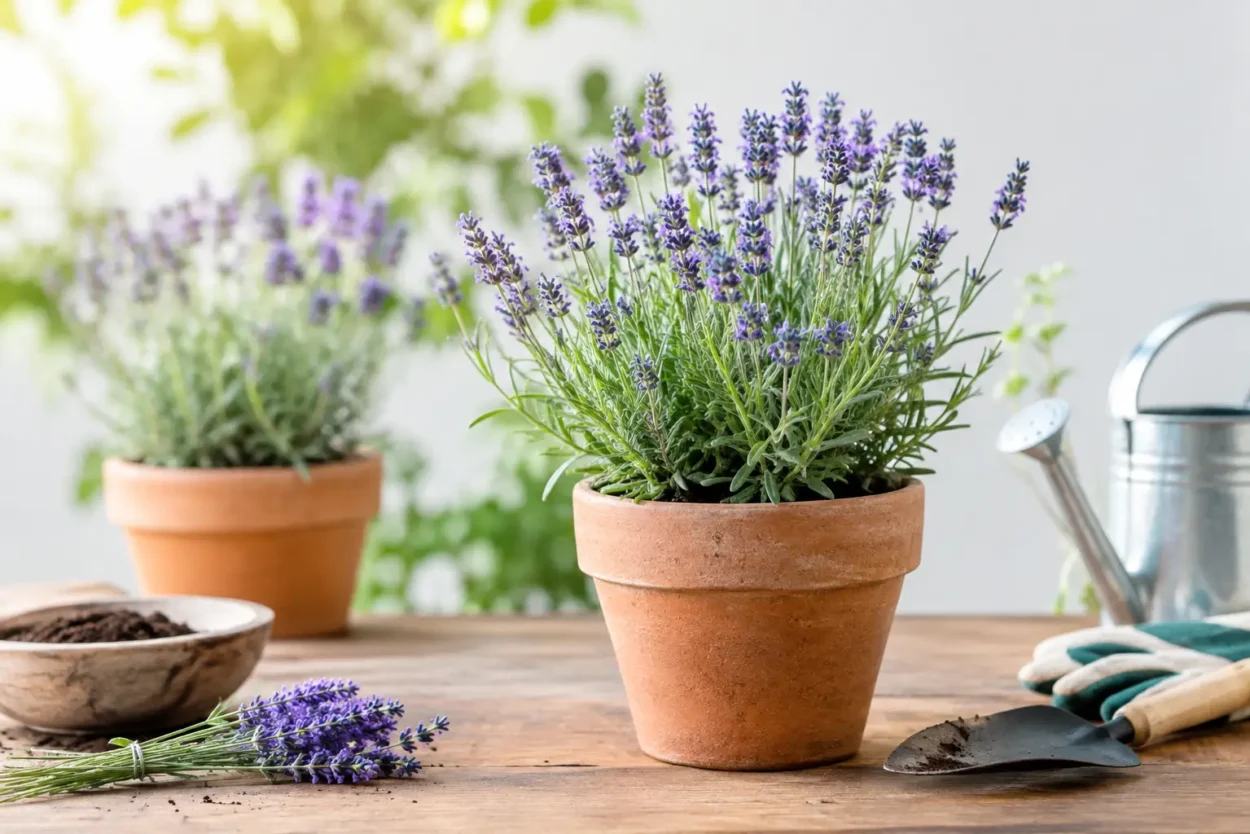
A Simple Guide to Growing Lavender at Home
Lavender looks effortless when it is thriving: silvery leaves, purple flower spikes, and that clean, calming scent every time you brush past it. But this Mediterranean favorite has one non-negotiable preference: dry roots. This guide to growing lavender will help you give it the sunny, well-drained conditions it needs, whether you are planting a garden border, filling a patio pot, or trying your first herb garden.
Start With the Right Lavender for Your Climate
Not every lavender handles American winters the same way. Choosing a variety that suits your region is the easiest way to avoid a plant that looks great in June but fails after its first cold, wet season.
English lavender (Lavandula angustifolia) is often the best choice for colder climates. Varieties such as ‘Munstead’ and ‘Hidcote’ are compact, fragrant, and generally hardy in USDA Zones 5 through 9. They are especially lovely along walkways, in cottage-style beds, and in smaller containers.
French and Spanish lavenders are better suited to warm, mild areas. French lavender (Lavandula dentata) has toothed foliage, while Spanish lavender (Lavandula stoechas) is known for the small petal-like bracts at the top of each bloom. Both bring personality to pots and sunny gardens, but they are less reliable through freezing winters. In colder regions, treat them as container plants that can be protected or replaced each season.
Lavandin is another popular option. A cross between English lavender species, it grows larger and produces long flower stems with a stronger scent. It is a smart pick if your goal is cutting bundles, making sachets, or creating a statement planting.
Choose a Spot With Full Sun and Fast Drainage
Lavender needs at least six hours of direct sunlight daily, although eight hours is even better. A bright south- or west-facing spot usually works well. Plants grown with too little sun become loose and leggy, bloom less generously, and are more likely to struggle with moisture-related problems.
Drainage matters just as much as sunlight. Lavender naturally grows in lean, gritty soil, so it does not appreciate a rich, damp flower bed. Heavy clay holds water around the roots, especially in winter, which can quickly lead to rot.
If your garden soil stays wet after rain, plant lavender in a raised bed, on a slight slope, or in a container. Mixing coarse sand, small gravel, or grit into a planting area can improve texture, but do not expect one bag of amendment to fix a large area of dense clay. Raised planting is usually the more dependable solution.
Lavender also prefers soil that is neutral to slightly alkaline. You do not need to obsess over a soil test for one patio plant, but if lavender repeatedly declines in the same bed, drainage and soil acidity are worth investigating.
How to Plant Lavender Successfully
Plant lavender in spring after the risk of a hard freeze has passed. Fall planting can work in warm regions with mild winters, but plants need time to establish roots before cold, wet weather arrives.
Dig a hole about as deep as the nursery pot and slightly wider. Gently loosen any circling roots, place the plant so the top of its root ball sits level with the surrounding soil, then backfill. Avoid burying the woody base of the plant.
Space plants according to their mature width, not how small they look at the garden center. Compact English lavenders often need 18 to 24 inches of room, while larger lavandins may need 30 to 36 inches. Good airflow helps leaves dry after rain and keeps the planting looking full rather than crowded.
Water thoroughly after planting to settle the soil. Then resist the urge to water on a strict daily schedule. Newly planted lavender needs consistent moisture while establishing, but it should never sit in soggy ground.
Growing Lavender in Containers
A pot is an excellent solution for apartment balconies, small patios, and gardens with heavy soil. Choose a container with a drainage hole, preferably one made from terracotta or another breathable material. Use a fast-draining potting mix, ideally one formulated for cacti, succulents, or Mediterranean herbs.
Container lavender dries out faster than garden lavender, particularly during a hot spell. Check the top couple of inches of soil and water deeply when it feels dry. Let excess water run freely from the bottom of the pot, and never leave the container sitting in a saucer of water.
Water Less Often Than You Think
Overwatering is the most common lavender mistake. Established plants are relatively drought tolerant and often need little help except during long stretches of heat and no rain. A deep, occasional soak is better than frequent light watering, which keeps the surface constantly damp and encourages shallow roots.
The exact schedule depends on your weather, soil, and whether the plant is in a pot. During the first growing season, check young garden plants regularly and water when the soil has dried a few inches below the surface. Once established, water only when conditions are genuinely dry.
Signs of overwatering can look confusingly similar to underwatering at first. Yellowing leaves, drooping stems, and a plant that seems to decline despite regular care often point to wet roots. Before adding more water, feel the soil below the surface.
Skip Heavy Fertilizer
Lavender does not need rich soil or frequent feeding to bloom. Too much nitrogen can produce lots of soft green growth with fewer flowers and a weaker fragrance. In most average garden soils, lavender can go without fertilizer altogether.
If your soil is extremely poor, a light application of a low-nitrogen, slow-release fertilizer in spring may help. But think of fertilizer as an exception, not a routine. Sun, drainage, and thoughtful pruning will do more for your plant than a high-powered plant food.
Mulch deserves a little caution, too. Organic mulch such as shredded bark can trap moisture around the crown. In humid or rainy areas, use a thin layer of pea gravel or small stones instead. It keeps soil from splashing onto foliage while allowing the base of the plant to stay dry.
Prune Lavender for a Fuller, Longer-Lived Plant
Pruning prevents lavender from becoming woody, sparse, and floppy. The best time depends on the variety and your climate, but a light trim after the first major flush of flowers is a reliable starting point. Snip back spent flower stems and shape the leafy growth into a soft, rounded mound.
In spring, remove winter-damaged tips and lightly shape the plant once new growth appears. Avoid cutting deeply into old, leafless wood. Lavender often does not regrow from bare woody stems, so always leave some green growth on each stem.
If you want dried lavender, harvest flower stems when roughly half the tiny blooms on a spike have opened. Cut in the morning after dew has dried, then bundle small groups of stems and hang them upside down in a dry, dim room. For fresh arrangements, wait until more flowers have opened.
Keep Lavender Alive Through Winter
Cold is not always lavender’s biggest winter problem. Wet soil, poor airflow, and repeated freeze-thaw cycles can be tougher on roots than low temperatures alone. Before winter, make sure the plant is not surrounded by thick, moisture-holding mulch or fallen leaves.
In Zones 5 and 6, hardy English lavender benefits from a protected location with excellent drainage. Planting near a stone wall, on a slope, or in a raised bed can make a real difference. Avoid wrapping plants tightly in plastic, which traps moisture. If protection is necessary, use airy evergreen branches after the ground has frozen.
Potted lavender is more exposed because roots do not have the insulation of garden soil. Move pots close to a sheltered wall, protect them from winter rain, or place them in an unheated garage where temperatures stay cold but not severely freezing. Water sparingly while the plant is dormant.
Quick Fixes for Common Lavender Problems
A lavender plant that is not thriving usually needs a change in conditions, not more attention. Watch for these common clues:
- Yellow leaves and drooping growth: Usually overwatering or poorly drained soil. Let the root zone dry and improve drainage.
- Few or no flowers: Often caused by insufficient direct sun, excessive fertilizer, or pruning at the wrong time.
- A woody, open center: The plant may be aging or has not been pruned regularly. Light annual shaping can slow this process.
- Gray, dying stems near the base: This can signal root rot. Move future plants to a drier spot, as badly affected plants are difficult to save.
Lavender rewards a hands-off approach once it is settled in. Give it sunshine, room to breathe, and soil that drains quickly, then let the plant do what it does best: make an ordinary patio, path, or garden bed feel a little more peaceful.