
Can you visit Egypt safely? Get practical advice on regions, tours, transport, scams, health, and smart planning for a confident, memorable trip abroad.
Can You Visit Egypt Safely? A Practical Guide
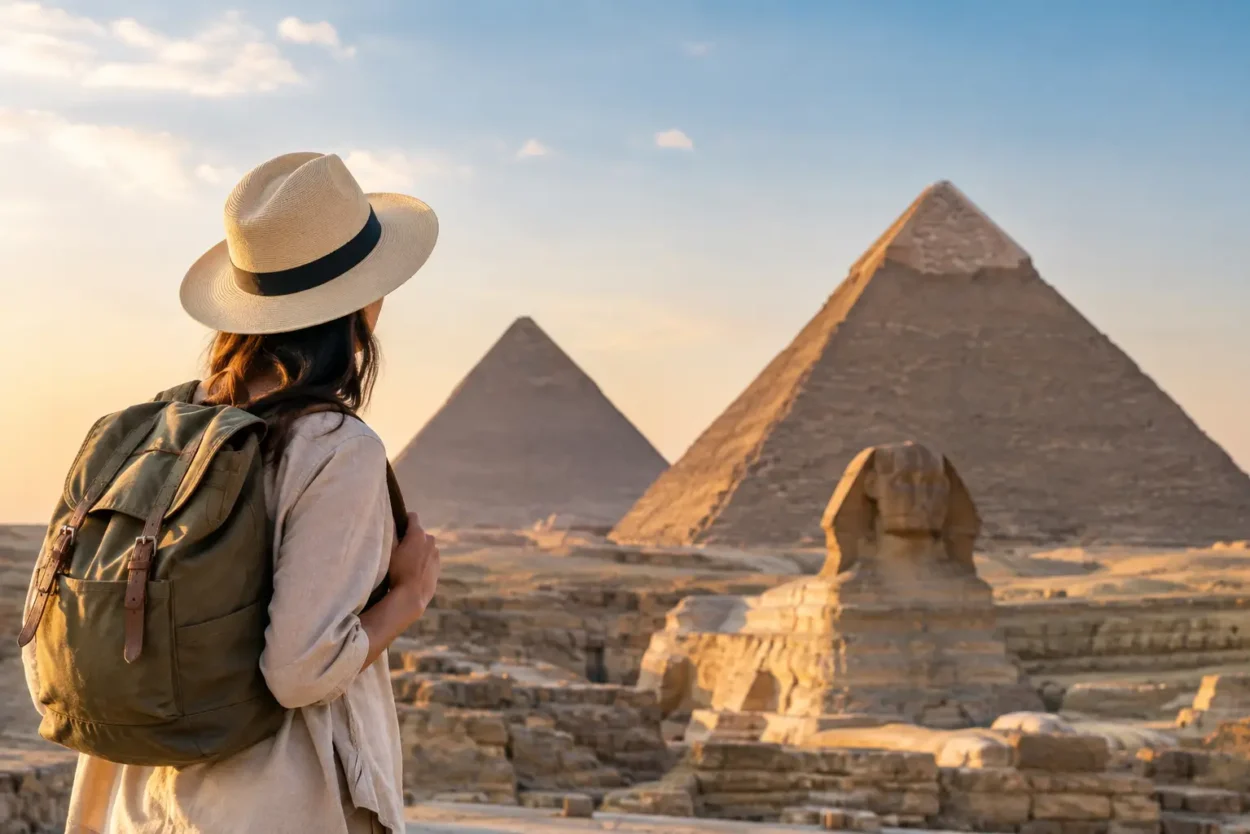
Egypt is the kind of trip that can make your camera roll feel unreal: sunrise over the Nile, the Great Pyramids rising above Cairo, temple columns in Luxor, and bright-red coral reefs in the Red Sea. But can you visit Egypt safely? For many visitors, the answer is yes – with thoughtful planning, realistic expectations, and a willingness to travel a little more carefully than you might in a typical European city break.
The key is not treating Egypt as one single experience. Tourist hubs such as Cairo, Giza, Luxor, Aswan, and Red Sea resorts are very different from remote border areas and parts of the Sinai Peninsula. Choose your route carefully, stay aware in busy places, and book reliable transportation and tours. You can focus on the unforgettable parts of the trip without being careless about the practical ones.
Can You Visit Egypt Safely as a Tourist?
Egypt welcomes millions of international visitors, and its major tourism destinations have well-established hotels, guides, airport transfers, and organized excursions. Most travelers complete their trips without serious problems. Still, travelers should take government travel guidance seriously, especially because regional conditions can change quickly.
The biggest day-to-day concerns tend to be traffic, aggressive sales tactics around major sights, pickpocketing in crowded areas, and occasional unwanted attention rather than violent crime against tourists. Terrorism remains a concern in Egypt, particularly in specific regions, which is why official advisories may recommend avoiding border areas, the Western Desert, or parts of the Sinai Peninsula.
Before booking, check the latest travel advice from the U.S. Department of State and confirm any airline, entry, or regional restrictions. Do this again shortly before departure. Travel conditions are not static, and a good plan should leave room for changing an itinerary if needed.
Choose the Right Itinerary and Base
For a first visit, stick to the classic tourist route. Cairo and Giza offer the pyramids, museums, and an energetic introduction to the country. Luxor and Aswan are ideal for travelers who want ancient temples, Nile views, and a slower pace. Hurghada, El Gouna, and Sharm El Sheikh are popular for beach time, diving, and resort-style stays.
This does not mean you need to avoid independent travel completely. It means being selective. A well-reviewed hotel in a central area, pre-arranged airport pickup, and a licensed guide for busy historical sites can remove a lot of uncertainty from your first few days.
Avoid traveling near international borders or taking unplanned desert excursions. If a tour promises a remote adventure at a price that seems unusually low, that is a reason to pause, not a bargain to grab. Reputable operators should be clear about their route, transportation, group size, and cancellation policy.
Consider a Guide for Cairo and Giza
Cairo is exciting, loud, crowded, and large. A guide is not essential, but it can be a smart choice for a first-time visitor, especially at the Giza Plateau. A good guide can explain what you are seeing, help you avoid common tourist traps, and make transportation easier.
If you prefer to explore on your own, book tickets through official channels when possible, agree on transportation pricing before getting in a car, and politely decline unsolicited offers for camel rides, photos, or “special access.” You do not need to be rude. A calm, firm “No, thank you” usually works best.
Plan Transportation With Safety in Mind
Road safety is one of the most practical reasons to plan ahead. Traffic in Cairo can feel intense, lanes are not always followed in the way American drivers expect, and pedestrians need to be especially alert. Crossing a busy road can be more difficult than navigating a famous landmark.
For airport trips and longer journeys, arrange a hotel car, a reputable transfer service, or transportation through your tour company. In cities, use established ride-hailing services where available and verify the vehicle and driver details before getting in. If you take a traditional taxi, settle the fare in advance or make sure the meter is running.
Overnight trains and domestic flights can be useful for reaching Luxor and Aswan, but schedules and service levels vary. Give yourself extra time between connections and keep essential medication, valuables, a phone charger, and travel documents in your personal bag rather than checked luggage.
Walking is enjoyable in compact areas, resort towns, and around many attractions, but do not assume every route shown on a map is pedestrian-friendly. After dark, use the same common sense you would in any unfamiliar city: stay on well-lit streets, avoid isolated shortcuts, and know how you are getting back to your hotel.
Protect Yourself From Scams and Petty Theft
Tourist scams in Egypt are often more annoying than dangerous, but they can put a dent in your budget and mood. Common examples include overly friendly strangers offering to guide you, vendors claiming an attraction is closed, drivers changing an agreed-upon fare, and sellers pressuring you to buy souvenirs.
A little preparation makes these encounters much easier to manage. Carry small bills for tips and minor purchases, but do not display a large amount of cash. Keep your passport secured at your hotel when you do not need it, and carry a copy instead if appropriate. Use a crossbody bag or zipped day bag in crowded markets, transit stations, and sightseeing areas.
Be clear before accepting any service. Ask, “How much?” before entering a carriage, taking a camel ride, or agreeing to a photo. If the answer is vague, walk away. You are never obligated to buy something because someone gave you directions or started a conversation.
Tipping, often called baksheesh, is common in Egypt. Small tips can be expected for helpful service, but it is okay to set your own limits. Having a supply of small Egyptian pound notes helps you tip comfortably without overpaying or scrambling for change.
Health, Food, and Everyday Comfort
Bring travel insurance that includes emergency medical care and trip disruption. Also pack enough prescription medication for your full stay, plus a few extra days in case of delays. Keep medicines in their original labeled containers, and check in advance whether any medication has restrictions in Egypt.
For food and water, choose busy restaurants with high turnover, eat freshly cooked meals, and use bottled or properly treated water. Many travelers avoid ice and raw foods early in the trip until they know how their stomach is adjusting. Hand sanitizer and a basic stomach-care kit are genuinely useful additions to your carry-on.
Heat can sneak up on travelers visiting temples and archaeological sites. Wear breathable clothing, sunscreen, sunglasses, and a hat, especially from late spring through early fall. Start outdoor sightseeing early, schedule a hotel break during the hottest part of the afternoon, and drink more water than you think you need.
Tips for Women and Solo Travelers
Women travel to Egypt alone and in groups every day, but some may experience staring, comments, or persistent sales pitches. Modest, lightweight clothing can help you feel more comfortable, particularly outside resorts and beach destinations. Think loose pants, midi or maxi skirts, T-shirts or blouses with shoulder coverage, and a light scarf for religious sites.
This is not about blending in perfectly or giving up your personal style. It is about choosing clothes that make it easier to move comfortably through different settings. At a resort, poolwear is normal. At a mosque or in a conservative neighborhood, more coverage is respectful and practical.
Solo travelers may feel more relaxed using licensed guides for certain outings, booking hotels with strong recent reviews, and sharing their day plan with someone at home. Trust your instincts if a person, driver, or situation feels off. Step into a busy hotel, café, or shop and ask staff to help arrange a ride if you need a quick reset.
Respect Local Laws and Customs
Egypt is culturally conservative in many settings, and local laws can be enforced differently than travelers expect. Public displays of affection, intoxication in public, photographing security personnel or government buildings, and flying drones can create problems. Never assume that a photo is harmless simply because a site looks interesting.
Be mindful when discussing politics or religion with people you do not know well. Egyptians are often warm, welcoming, and happy to share their culture, but a visitor does not need to turn every conversation into a debate. Courtesy goes a long way.
Save digital and printed copies of your passport, visa details, insurance information, hotel addresses, and emergency contacts. Registering your trip with the appropriate U.S. traveler enrollment service can also make it easier to receive security updates or contact information during an emergency.
A Safer Trip Starts Before You Land
Egypt rewards travelers who arrive prepared but stay open to surprise. Book your first night somewhere comfortable, arrange your airport transfer, build in time for rest, and leave a little space in the schedule for a long lunch, a sunset felucca ride, or a shop you want to browse twice.
You do not need to plan every minute to visit Egypt confidently. You just need to make the big decisions wisely, stay alert in the places where it matters, and let the country’s history, hospitality, and spectacular scenery do the rest.