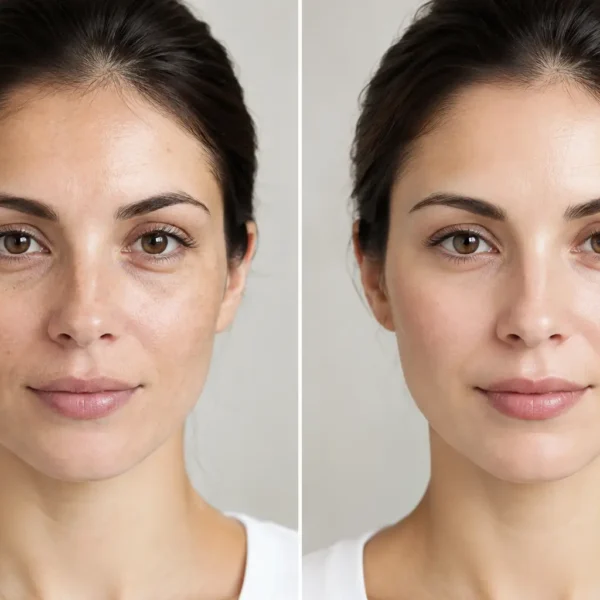
Why does sunscreen pill? Learn what causes those little flakes, how to layer skin care correctly, and simple fixes for a smoother, protected daily finish.
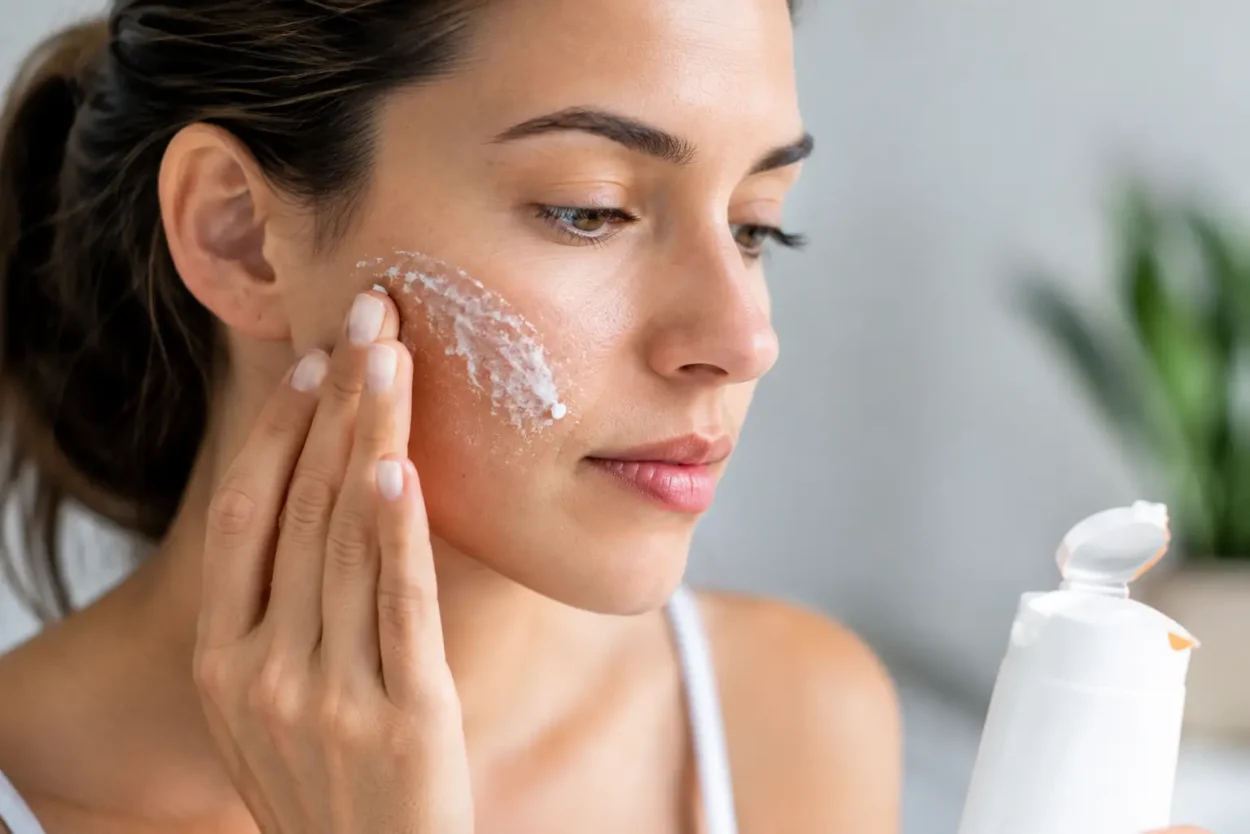
Why Does Sunscreen Pill? Causes and Easy Fixes
You finish your skin care, smooth on sunscreen, and then tiny rolls of product start gathering around your cheeks, hairline, or jaw. If you have ever wondered, why does sunscreen pill, the answer is usually not that you applied it incorrectly. Pilling is often a compatibility issue between products, formulas, timing, and how much you are rubbing your skin.
The good news: it is usually fixable without throwing out your entire routine. A few small adjustments can help your sunscreen sit smoothly, look better under makeup, and still provide the protection you need.
What sunscreen pilling actually is
Sunscreen pilling happens when layers of product do not form an even film on the skin. Instead, they roll into little flakes or soft balls as you spread sunscreen or touch your face. It can look like dry, peeling skin, but it is often product sitting on top of the skin rather than actual flakes coming from your complexion.
This matters because sunscreen needs to create a reasonably even layer to work as intended. A little pilling around the edges does not automatically mean you have zero protection, but heavy pilling can make it harder to apply the full amount and leave parts of your skin unevenly covered. If you are brushing off noticeable product, it is smart to reapply sunscreen rather than assume enough stayed behind.
Why does sunscreen pill? The most common causes
Too many layers underneath
A full morning routine can involve toner, essence, serum, moisturizer, sunscreen, primer, and makeup. None of those steps is automatically a problem, but several rich or film-forming products layered together can create too much slip on the surface of the skin.
This is especially common with hydrating serums, facial oils, thick creams, and products made with silicone ingredients. Sunscreen may have its own silicones, waxes, powders, or polymers to help it spread and stay put. When formulas compete rather than settle together, rubbing can cause them to roll up.
It does not mean you need to avoid silicones or hydrating ingredients. Many people love them. The issue is more about the particular combination and the amount used.
Applying sunscreen before skin care has settled
Your skin care does not need to dry down completely matte before sunscreen, but it should have a moment to settle. When you apply sunscreen immediately over a wet serum or freshly applied moisturizer, the layers can mix and shift instead of forming their own even films.
Give each layer a minute or two, especially if you use a richer moisturizer. If your face still feels very slippery or visibly wet, wait a little longer. This small pause is one of the easiest fixes for sunscreen that pills.
Using more product than your skin can comfortably hold at once
You need a generous amount of sunscreen for your face and neck. The challenge is that applying the whole amount in one thick layer can make certain formulas bunch up, particularly over several skin care products.
Try applying it in two thin, even layers instead. Use the first half, let it settle briefly, then apply the second half. You are not using less sunscreen – you are simply making the application easier for your skin and formula to handle.
Rubbing instead of pressing
Fast, vigorous rubbing is a major trigger for pilling. Friction catches product that is still sitting on the surface and rolls it into flakes. This can happen with sunscreen itself, when applying foundation, or later in the day when you touch your face.
Use gentle, light strokes to spread sunscreen, then press it into areas that tend to pill. Around the nose, eyebrows, hairline, and jaw, a patting motion is often more successful than repeated rubbing.
Your sunscreen and makeup do not play well together
Sometimes sunscreen looks perfect until makeup goes on. A dewy foundation, grippy primer, cream blush, or setting product can disturb the sunscreen layer underneath.
The usual culprit is not simply water-based versus silicone-based products. That rule can be useful as a starting point, but modern formulas are often more complicated than a single ingredient category. Texture matters too. A very emollient sunscreen can shift under a highly moisturizing foundation, while a matte sunscreen may catch on dry patches when paired with a quick-setting base.
Let sunscreen set for five to 10 minutes before makeup. Then apply complexion products with a damp sponge or a pressing motion rather than buffing with a dense brush. If pilling only occurs on makeup days, your sunscreen may be fine – the makeup application method may need the adjustment.
How to stop sunscreen from pilling
Start by simplifying your morning routine for a few days. Cleanse, use one lightweight treatment if needed, apply moisturizer only if your skin feels like it needs it, then add sunscreen. This is not a permanent rule. It is a quick way to identify whether one of your extra layers is causing the problem.
Pay attention to the texture of each product. If you use a hydrating serum and a rich moisturizer, you may find that one is enough before sunscreen. Oily or combination skin often does well with a lightweight lotion or gel moisturizer in the morning, while dry skin may still prefer a cream but benefit from a longer wait time.
When applying sunscreen, use enough for your face, ears, and neck. Many dermatologists recommend the two-finger method for the face and neck, although finger size and product texture can vary. The practical goal is a generous, even layer rather than a tiny dot spread too far.
Use this simple application order:
- Apply light, water-based skin care first.
- Add moisturizer if your skin needs it, then wait until it feels settled.
- Apply sunscreen in two thin layers with light strokes.
- Wait five to 10 minutes before primer or makeup.
- Press makeup on gently instead of aggressively buffing it in.
If you wear makeup daily, consider treating sunscreen as the last skin care step rather than another product to blend into the routine. Its job is to sit in an even layer on your skin, not disappear completely like a serum.
The sunscreen formula may be the problem
Even a well-applied sunscreen can pill if its formula is not a good match for your routine or skin type. Mineral sunscreens are sometimes more likely to feel dry, chalky, or prone to gathering because zinc oxide and titanium dioxide need to be suspended in a base. Some can leave a powdery layer that rolls when layered over rich skin care.
Chemical sunscreens can pill too, especially if they have a primer-like, silicone-heavy finish or a quick-drying texture. No category is automatically better. The best choice depends on what you will use consistently and what works with your other products.
If one sunscreen repeatedly pills, test it on clean skin with no other products underneath. If it still rolls up, the formula may simply not suit you. If it applies smoothly on bare skin, introduce your usual products one at a time until you find the conflict.
For dry skin, look for a sunscreen with a moisturizing finish and keep the layers below it light. For oily skin, a fluid, gel, or lightweight lotion formula may feel more comfortable. For combination skin, you may need less moisturizer on your oilier areas and a little more on dry spots. Skin care is allowed to be flexible by zone.
Do not confuse pilling with peeling or irritation
Not every flake is product pilling. If your skin feels tight, stings, looks red, or has persistent dry patches, you may be dealing with irritation, over-exfoliation, eczema, or a reaction to a product. Retinoids, exfoliating acids, benzoyl peroxide, and harsh cleansers can all leave skin more prone to visible peeling.
In that case, adding more sunscreen or rubbing harder will not solve the problem. Scale back irritating actives, use a gentle moisturizer, and consider checking with a dermatologist if discomfort, redness, or flaking continues. Sunscreen should not burn or cause ongoing irritation.
A smoother sunscreen routine is worth the small tweaks
Pilling is frustrating, especially when you are trying to protect your skin and get out the door. But it is usually a sign to adjust your layering, wait time, technique, or formula – not a sign that sunscreen is impossible to wear. Keep the routine light, apply with a gentle hand, and give each layer room to settle. The right combination should leave you with a finish you are happy to wear every day.