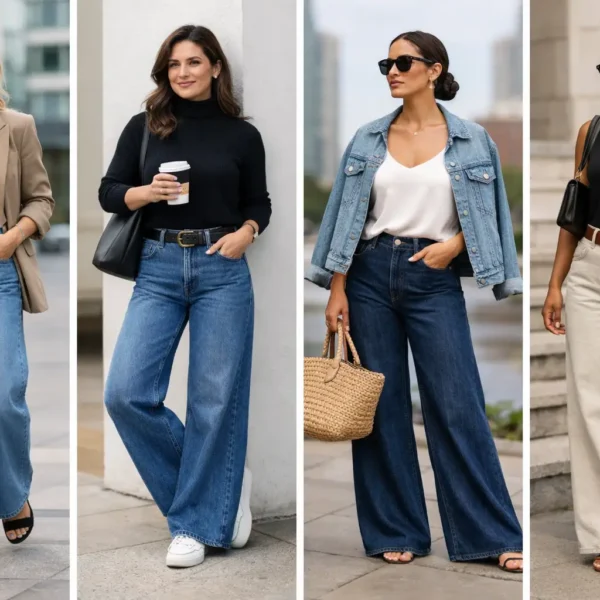
A practical guide to capsule wardrobe basics, with easy steps to edit your closet, choose versatile pieces, and build outfits you’ll wear.
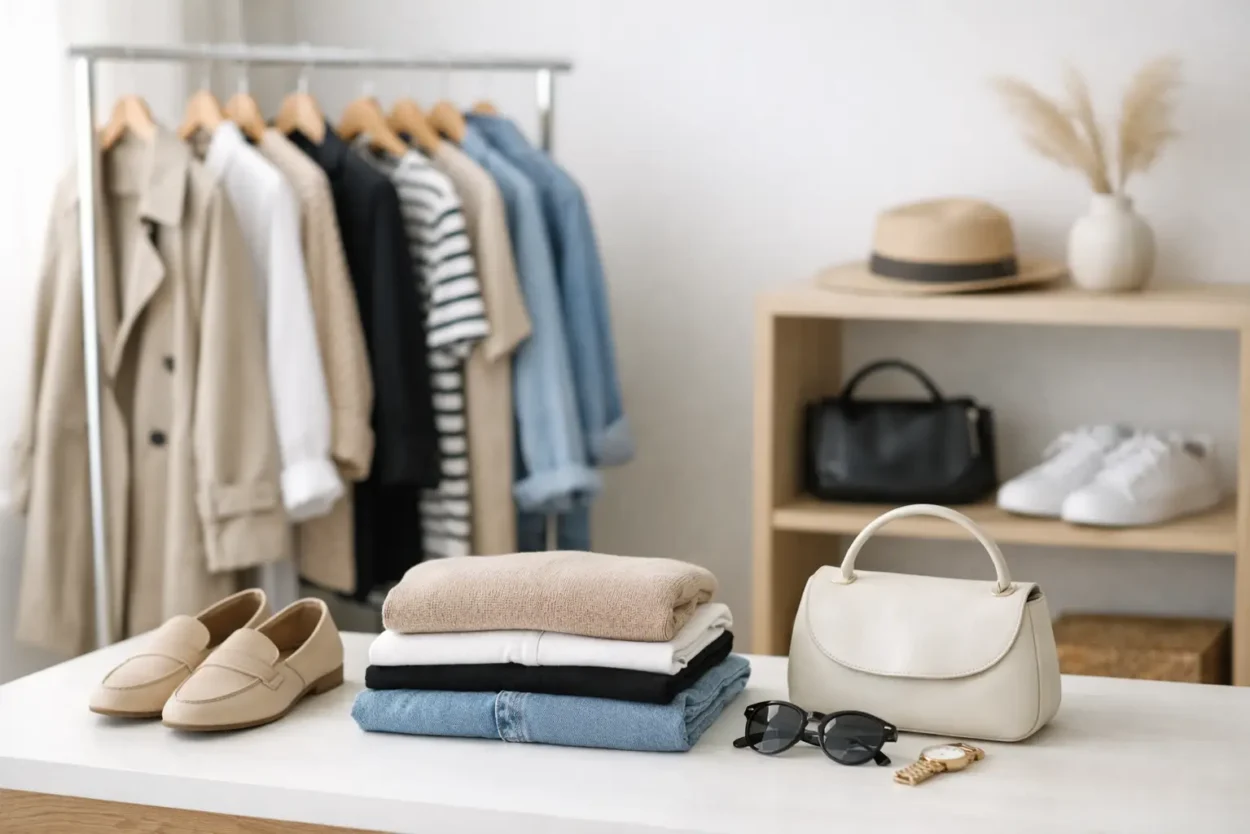
Guide to Capsule Wardrobe Basics
If your closet is full but getting dressed still feels weirdly hard, a guide to capsule wardrobe basics can save you a lot of time and second-guessing. The goal is not to own as little as possible. It is to build a smaller, smarter wardrobe where most pieces work together and getting dressed feels easy on a busy morning.
A capsule wardrobe sounds strict at first, but for most people it is actually a relief. You keep the clothes you wear, love, and can style in multiple ways, then stop letting random purchases take over your closet. That means less clutter, fewer impulse buys, and outfits that feel more like you.
What capsule wardrobe basics actually mean
At its core, a capsule wardrobe is a collection of versatile clothing that can be mixed and matched across different days and situations. Think of it as a practical closet edit, not a fashion rulebook. You are choosing pieces that earn their place because they fit well, suit your lifestyle, and work with several other items you already own.
For one person, that might mean trousers, button-downs, loafers, and knit tops for an office-heavy week. For someone else, it could be straight-leg jeans, sneakers, soft tees, and a great jacket. The right capsule depends on your real life, not an idealized version of it.
That is where people often get stuck. They build a wardrobe for brunch, vacations, or a Pinterest mood board, then realize they mostly need clothes for school drop-offs, work calls, grocery runs, and dinner plans that happen once a week. A useful capsule starts with your routine.
Start with your lifestyle, not a shopping list
Before you buy anything, look at how you actually spend your week. If you work from home, five blazers may not make sense. If your office is formal, three pairs of leggings probably should not be the foundation of your closet.
A simple way to think about it is by percentage. What share of your time is spent at work, at home, running errands, going out, or dressing for special events? Your wardrobe should roughly reflect those categories. This one step makes your capsule more realistic and much more wearable.
It also helps to think about your comfort preferences. If you never wear stiff fabrics, do not force yourself into them because they look polished on someone else. If you hate dry-clean-only items, that is useful information. Good style gets easier when it matches your habits.
Guide to capsule wardrobe basics: the core categories
Most capsules work best when they include a balance of tops, bottoms, layers, shoes, and a few finishing pieces. You do not need a fixed number, but you do need enough variety to avoid boredom while keeping everything cohesive.
Tops usually do the most work. A few neutral T-shirts, a tank or two, one or two elevated blouses or shirts, and a sweater can cover a lot of ground. Bottoms should be the styles you reach for on repeat, whether that is jeans, tailored pants, a midi skirt, or shorts depending on the season.
Layers are what make outfits feel complete. A denim jacket, blazer, cardigan, or trench can turn the same base outfit into something more polished or more relaxed. Shoes matter just as much. A practical capsule often includes everyday sneakers, one more polished flat or loafer, and a boot or sandal depending on weather.
Then come the pieces that add personality without creating chaos. That could be a striped top, a leather belt, simple gold hoops, or a bag that works with most of your outfits. These details keep a capsule from feeling too plain.
Choose a color palette that makes mixing easy
One of the easiest ways to make a capsule wardrobe work is to limit your color palette. This does not mean wearing only black, white, and beige unless that is what you love. It means choosing colors that naturally pair well together so you can get more outfits from fewer pieces.
A lot of people do well with two or three neutrals, such as black, white, navy, gray, cream, tan, or denim. Then add one or two accent colors you genuinely enjoy wearing. Maybe that is olive, burgundy, soft blue, or blush. If most of your clothes live in the same color family, getting dressed becomes much faster.
Prints can work too, but they are easier to manage when they coordinate with your palette. Stripes, subtle florals, and classic checks tend to be more flexible than loud trend prints. If you love bold patterns, keep them to a few pieces that still match your basics.
The best capsule pieces are not always the trendiest
A common mistake is buying trendy items and expecting them to function as basics. Some trends are fun and worth trying, but not every trend deserves permanent closet space. Capsule wardrobe basics should have staying power.
Look for pieces with clean lines, reliable fits, and fabrics that can handle regular wear. A white tee that goes sheer after one wash is not a basic. Neither are shoes that only work with one pair of pants. The more often you can wear an item in different combinations, the better value it gives you.
This does not mean your wardrobe has to be boring. You can absolutely include trend-forward pieces if they fit your style. Just let them play a supporting role instead of becoming the whole structure.
How to edit your closet without making it stressful
You do not need to dump everything on the bed and make 100 decisions in one afternoon. A better approach is to edit in stages.
Start by pulling out what you already wear every week. These pieces are your real basics, even if they are not what you expected. Next, set aside anything that does not fit, feels uncomfortable, needs complicated care, or never seems right once it is on. If you have not worn something in a year and it is not for a specific event, that is a strong sign.
Then look for gaps. Maybe you own lots of tops but only one pair of pants that works for your job. Maybe you have dresses you love but no shoes that make them practical. Gap-filling shopping is much cheaper and smarter than starting over.
If you are nervous about letting things go, create a trial box. Put doubtful pieces away for 30 days. If you do not miss them, you have your answer.
Build outfits before you buy more clothes
This is the step that changes everything. Once you have your likely capsule pieces, start making outfits from them. Try on combinations you would actually wear during the week. Take mirror photos if that helps you remember what worked.
You will quickly see whether your closet is balanced. If one pair of jeans works with six tops, great. If a blouse only works with one skirt and one pair of shoes, it may be less versatile than it seemed. Outfit testing is where a capsule becomes functional instead of theoretical.
Aim for easy combinations that cover your routine. You want enough options for errands, workdays, casual plans, and slightly dressier moments. If every outfit feels like a compromise, your capsule needs adjustment, not more pressure.
A capsule wardrobe should change with the seasons
One reason capsule wardrobes get a bad reputation is that people think they need one fixed set of clothes year-round. In reality, most capsules work best seasonally. Your summer basics probably include breathable dresses, sandals, and linen shirts. Your fall basics may shift toward jeans, boots, knits, and lightweight outerwear.
The foundation can stay similar, but the fabrics and layers should match the weather. This is especially true if you live somewhere with major seasonal swings. Trying to force one tiny wardrobe through every climate can make daily dressing harder, not easier.
It is also fine to keep a few year-round staples, like a favorite white tee, straight-leg jeans, or simple sneakers. Think of your closet as flexible, not fixed.
What to avoid when building capsule wardrobe basics
The biggest trap is copying someone else’s capsule too closely. A wardrobe that looks perfect on social media may be totally wrong for your budget, body, climate, or job. Your basics need to serve your life.
Another issue is buying duplicates too soon. If you find a great black tee, it can be tempting to buy it in five colors. Sometimes that works, but it can also create sameness before you have tested what you really need. Wear the first one for a while, then decide.
Finally, do not confuse fewer clothes with better style. The point is not to hit a magic number. The point is to create a wardrobe that feels useful, cohesive, and easy to wear.
A good capsule wardrobe gives you breathing room. It lets you spend less time digging for an outfit and more time wearing clothes that already feel right, which is usually the kind of style that lasts.