
Learn how to grow mint indoors with simple tips on light, watering, soil, and pruning so your plant stays full, fragrant, and easy to harvest.
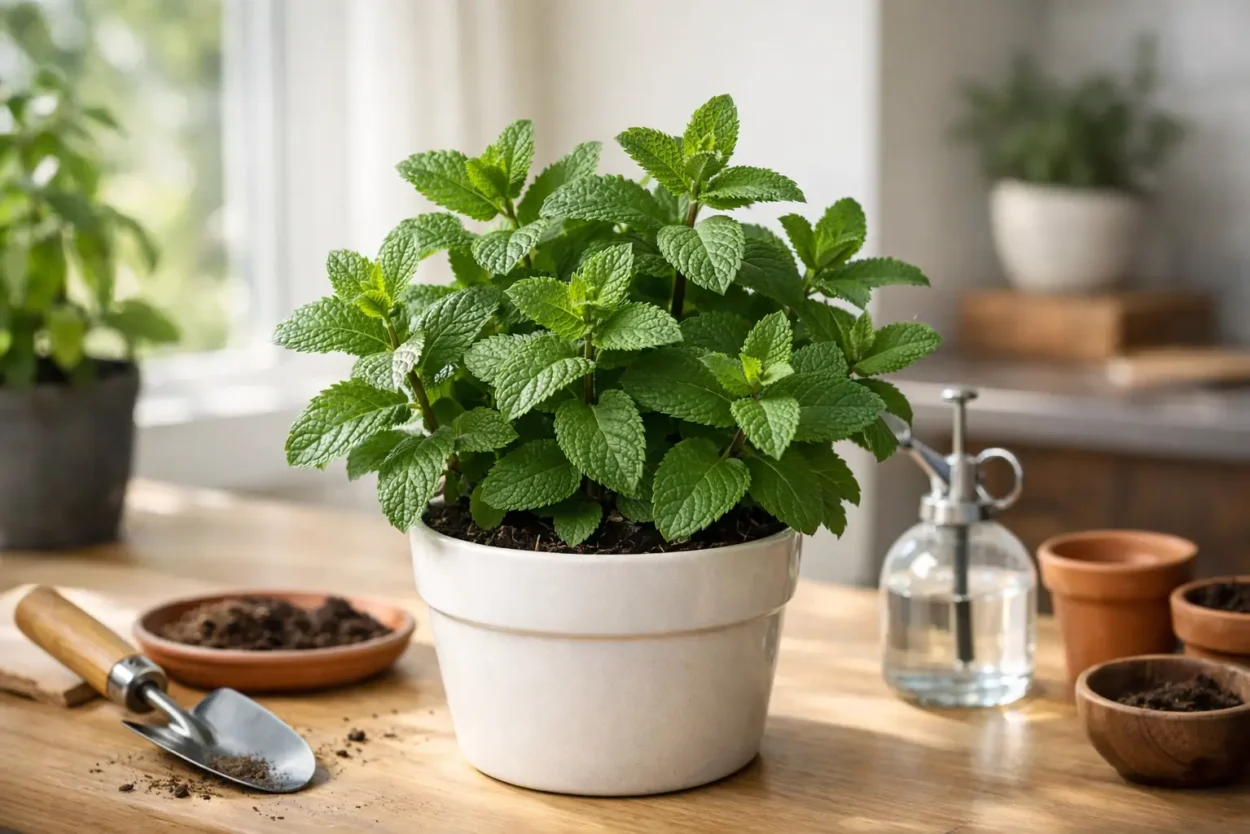
How to Grow Mint Indoors Successfully
Fresh mint has a way of making a kitchen feel more alive. A few leaves in water, tea, fruit, or a quick yogurt sauce can make everyday meals taste brighter, which is exactly why so many people want to learn how to grow mint indoors instead of buying a bunch that wilts in two days.
The good news is mint is one of the easiest herbs to keep inside. The catch is that it grows fast, spreads aggressively, and can go from lush to leggy if its setup is off. If you give it the right pot, decent light, and a little routine trimming, it can stay productive for months.
How to grow mint indoors without frustration
If you are starting from scratch, the simplest route is to buy a small nursery plant. Growing mint from seed is possible, but it takes longer and can be less predictable. For a quick win, a healthy starter plant gives you a much better chance of getting fresh leaves fast.
Mint does best when you treat it like a plant that wants room to grow but not too much attention. It likes bright light, evenly moist soil, and regular harvesting. It does not need a huge container, but it does need drainage. That part matters more than people expect because soggy roots are one of the fastest ways to ruin an indoor herb.
Pick the right mint variety
Spearmint and peppermint are the easiest choices for most homes. Spearmint has a sweeter, softer flavor that works well in drinks, salads, and desserts. Peppermint tastes cooler and stronger, which makes it great for tea and richer recipes.
There are also fun options like chocolate mint or apple mint, but these can vary a little in flavor intensity and growth habit. If your goal is everyday use, spearmint is usually the most versatile place to start.
Choose a pot that helps, not hurts
Mint spreads through roots, so a container is actually ideal. Indoors, a pot around 6 to 8 inches wide is a good starting point for one small plant. As it fills out, you can move it up a size.
The key is drainage holes. A pretty pot without drainage can look nice on a shelf, but it often leads to wet soil that stays wet too long. If you want a decorative look, use a nursery pot inside a cachepot so you can remove the plant for watering.
Use light, airy potting mix
Regular indoor potting mix works well for mint as long as it is loose and drains properly. You do not need anything fancy. A mix designed for herbs or houseplants is usually fine.
Avoid compacted garden soil. It is too heavy for containers and tends to hold water in ways that make indoor root health harder to manage. Mint likes moisture, but there is a difference between moist and swampy.
The best spot for indoor mint
Light is where many indoor herb setups go wrong. Mint can tolerate less-than-perfect conditions better than some herbs, but it still needs enough light to stay full and flavorful.
A bright windowsill is usually the best place. South-facing windows often give the strongest light, while east-facing windows can also work well if they get several hours of sun. If your mint starts stretching toward the window, producing small leaves, or looking pale, that is a sign it wants more light.
If your home does not get much natural sun, a small grow light can make a huge difference. This is especially helpful in winter or in apartments with limited window space. Mint is forgiving, but it cannot stay dense and healthy in a dim corner forever.
Temperature and airflow matter too
Mint likes normal indoor temperatures, which makes it easy to grow in most homes. A range around 65 to 75 degrees Fahrenheit is comfortable. It is not fussy, but it will be happier away from heating vents, blasting AC, or drafty windows.
A little airflow helps prevent mildew and stale growth. You do not need to put a fan directly on it, but avoid cramming the pot into a tight, humid spot with no circulation.
Watering mint indoors the right way
If you only remember one thing about indoor mint care, make it this: water consistently, but do not keep the pot soaked.
Check the top inch of soil with your finger. If it feels dry, water thoroughly until excess drains out the bottom. If it still feels damp, wait another day or two and check again. The exact schedule depends on light, season, pot size, and indoor temperature, so it is better to follow the soil than a rigid calendar.
Mint usually prefers slightly moist soil, especially when it is actively growing. But overwatering is still a real risk indoors because containers dry out more slowly than outdoor beds in some conditions. Yellow leaves can mean too much water, too little light, or both, so pay attention to the full picture.
Should you mist mint?
Usually, no. Misting is not necessary for mint, and it does not replace proper watering. In some homes, extra moisture on leaves can even encourage fungal issues. If your air is very dry, focusing on steady soil moisture is generally more useful than spraying the plant.
Feeding and pruning for fuller growth
Mint is not a heavy feeder, which is one reason it is beginner-friendly. If you are using fresh potting mix, it may not need fertilizer right away. After a month or two, a diluted liquid houseplant or herb fertilizer once in a while during active growth is enough.
Too much fertilizer can make mint grow quickly but taste weaker. This is one of those trade-offs that matters if you are growing it for flavor. More growth is not always better growth.
Pruning, on the other hand, is almost always a good idea. Pinch off the tips regularly, especially when stems start getting tall. This encourages branching and helps the plant stay bushy instead of thin and floppy.
How to harvest mint indoors
Harvest often, but not all at once. Snip stems just above a pair of leaves, and new shoots will usually form from that point. Once the plant is established, taking a little at a time keeps it productive.
If your mint starts forming flower buds, pinch them off unless you specifically want flowers. Flowering can shift the plant’s energy away from leaf production, and the leaves may lose a bit of their best flavor.
Common problems when you grow mint indoors
Even easy herbs have off days. The most common indoor mint issues are leggy growth, yellow leaves, brown tips, and pests.
Leggy mint usually means not enough light. Move it closer to a sunny window or add a grow light, then trim it back so it can regrow more compactly. Yellowing can point to overwatering, poor drainage, or weak light. Brown crispy edges often suggest the plant got too dry at some point or is sitting near hot, dry air.
Spider mites and aphids can occasionally show up, especially if nearby houseplants are affected. If you notice sticky leaves, webbing, or distorted new growth, rinse the plant gently and remove the worst stems. Keeping the plant clean and not overly stressed helps prevent repeat problems.
When to repot mint
Mint grows quickly, so root crowding happens sooner than many people expect. If water runs straight through, roots are circling the bottom, or growth slows even with decent care, it may be time to repot.
Move up just one pot size at a time. A container that is too large can hold excess moisture and make watering trickier. Fresh potting mix can also give a tired plant a nice reset.
Can you grow mint indoors year-round?
Yes, and that is one of its biggest perks. Indoor mint can keep growing through most of the year if it gets enough light and reasonable care. Growth may slow in winter, especially with shorter days, but the plant does not need to be treated as disposable.
That said, year-round success depends on your home. A bright kitchen window in summer is very different from the same window in January. If your mint looks less vigorous in colder months, that does not necessarily mean you are failing. It may just need more light, less water, and a little patience until the season shifts.
Is growing mint indoors worth it?
For most people, yes. Mint is affordable to start, useful in the kitchen, and forgiving enough for beginners. It is also one of the few herbs that can give you a steady harvest without demanding perfect conditions.
The main downside is that it grows fast and needs trimming to stay attractive. If you want a neat, low-maintenance plant you can ignore for weeks, mint is probably not that. But if you like the idea of clipping a few fresh leaves whenever you want, it is one of the easiest indoor herbs to keep around.
Once your plant settles in, indoor mint becomes less of a project and more of a habit – water, snip, enjoy, repeat.

Comments are closed.