
Is castor oil good eyelashes? Learn what evidence says about lash growth, safe application tips, and when to see an eye doctor for personalized advice.
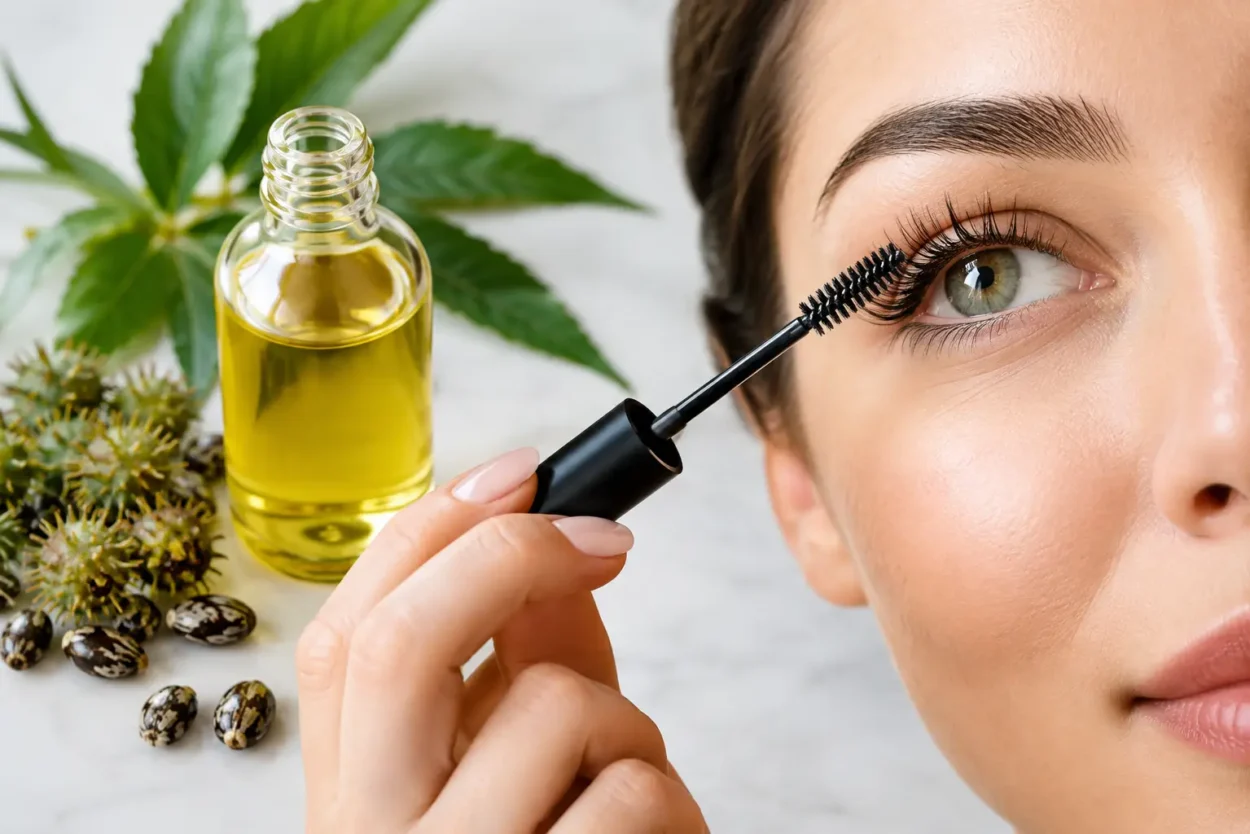
Is Castor Oil Good for Eyelashes? What to Know
A tiny bottle of castor oil can look like the simplest answer to sparse, brittle lashes. If you have searched “is castor oil good eyelashes,” the honest answer is: it may make lashes look conditioned, but there is no strong evidence that it makes them grow longer, thicker, or faster.
That does not mean you have to toss it immediately. Used carefully, castor oil may be a nice addition to a beauty routine for some people. The key is setting realistic expectations and being extra cautious around your eyes.
Is Castor Oil Good for Eyelashes?
Castor oil is a thick plant oil made from castor beans. It is rich in ricinoleic acid, a fatty acid that gives the oil its dense, glossy texture. In skincare and hair care, oils can help reduce the dry, rough feeling that makes hairs appear dull or fragile.
On eyelashes, a very small amount of castor oil may coat the hair shaft, adding shine and helping lashes feel softer. When lashes look less dry or are less likely to snap from rough makeup removal, they can appear fuller over time. That cosmetic effect is likely why so many people swear by it.
But castor oil is not a proven eyelash-growth treatment. There are no high-quality studies showing that applying it to the lash line stimulates new lash growth or changes your natural lash length. Your genetics, age, hormones, health, and normal lash-growth cycle have much more influence.
Think of castor oil as a conditioning product, not a miracle serum. If your goal is healthier-looking lashes, it may be worth trying with care. If your goal is dramatic growth, it is unlikely to deliver the transformation you see in before-and-after videos.
Why It Can Make Lashes Look Better
Lashes go through a natural cycle of growing, resting, and shedding. It is normal to lose a few now and then. Everyday habits such as waterproof mascara, lash curlers, extensions, rubbing your eyes, and sleeping in makeup can make lashes more prone to breakage.
A lightweight coating of oil can make individual lashes look darker, smoother, and more defined, especially when they are bare. It may also make your nighttime makeup-removal routine feel gentler if you use it on a cotton pad away from the eye itself.
There is a trade-off, though. Castor oil is much thicker than many facial oils and can feel sticky. Too much can migrate into the eye, blur your vision, or leave a residue along the lash line. More oil does not mean better results.
How to Apply Castor Oil to Eyelashes Safely
Because the eye area is sensitive, your application method matters more than the amount you use. Choose a plain, cosmetic-grade castor oil with no added fragrance, essential oils, or lash-growth claims. Avoid using kitchen oils or products in packaging that makes it difficult to keep the formula clean.
First, patch-test the oil on your inner arm or behind your ear. Wait 24 to 48 hours to check for itching, redness, swelling, or a rash. A skin reaction is a clear sign to skip it near your eyes.
At night, remove eye makeup completely and wash your hands. Put one tiny drop of oil onto a clean disposable spoolie, a clean cotton swab, or the back of your hand. Then lightly brush it over the lashes, focusing on the mid-lengths and ends rather than pressing oil into the roots or waterline.
You should not need enough product to make your lashes look wet. If oil runs into your eyes, rinse with clean lukewarm water and stop using it if irritation continues. Do not share your applicator, and wash reusable tools after every use. Eye-area hygiene is not the place to cut corners.
What to avoid
Skip castor oil if you have an active eye infection, a stye, eyelid eczema, blepharitis, or unexplained redness and irritation. It is also smart to avoid it right after a lash lift, during a reaction to lash glue, or while your eyes are recovering from a procedure unless your eye-care professional says otherwise.
Contact lens wearers may find that oil residue causes uncomfortable lens smudging. Apply it only after taking lenses out, and make sure your hands and lash line are clean before putting lenses back in the next day.
Castor Oil Risks Around the Eyes
Natural does not automatically mean irritation-free. Even a simple oil can cause problems when it gets into the eye or collects along the eyelid margin. Some people develop contact dermatitis, which can show up as itchy, dry, flaky, swollen, or red skin around the lids.
Oil can also temporarily blur vision and may worsen irritation for people who are already prone to dry eyes or blocked oil glands in the eyelids. If you feel burning, pain, persistent tearing, sensitivity to light, discharge, or notice changes in vision, stop using the product and contact an eye doctor promptly.
Be skeptical of DIY blends that combine castor oil with essential oils, vitamin E capsules, or multiple botanical extracts. These additions can raise the risk of irritation without adding proven lash-growth benefits. The closer a product gets to your eyes, the simpler its ingredient list should be.
What Actually Helps Eyelashes Look Fuller?
If you want to protect the lashes you already have, gentle habits can make a visible difference. Remove mascara without tugging, use a clean mascara wand, replace eye makeup regularly, and take breaks from extensions or strip lashes if you notice thinning. When using a curler, curl bare lashes before mascara rather than after, when hairs are more likely to stick and pull.
For a temporary fuller look, a tubing mascara or lengthening mascara can be easier to remove than a stubborn waterproof formula. A lash conditioner can also improve softness and shine, although it should not be confused with a medication that changes growth.
For people with genuinely sparse lashes, a dermatologist or ophthalmologist can help identify the cause. Nutrient deficiencies, thyroid issues, skin conditions, certain medications, and repeated traction from extensions can all contribute to lash loss. Prescription treatments containing prostaglandin analogs can promote lash growth for some patients, but they need medical guidance because they may cause eye-area irritation, skin darkening, or other side effects.
Over-the-counter lash serums vary widely. Some focus on conditioning ingredients such as peptides and panthenol, while others use ingredients that can be more irritating for sensitive eyes. Read the label, follow the directions exactly, and stop at the first sign of a reaction.
When Castor Oil May Be Worth Trying
Castor oil makes the most sense if your lashes are generally healthy but feel dry, look dull, or seem a little fragile after frequent mascara use. It is inexpensive, easy to find, and may give a subtle polished look when used sparingly.
It is not the best choice if you expect rapid growth, have sensitive eyes, wear contacts often, or already struggle with eyelid irritation. In those cases, a gentle lash-conditioning product designed for the eye area, or advice from an eye-care professional, is usually a more comfortable route.
Give your lashes the same patience you give the rest of your skincare routine: protect them from daily stress, keep the eye area clean, and choose treatments based on evidence rather than viral promises. Healthy-looking lashes often start with the simplest habit of all – being gentle with them.