Can acne scars fade naturally? Learn which marks improve with time, what supports healing, and when dermatologist treatments are worth considering now.
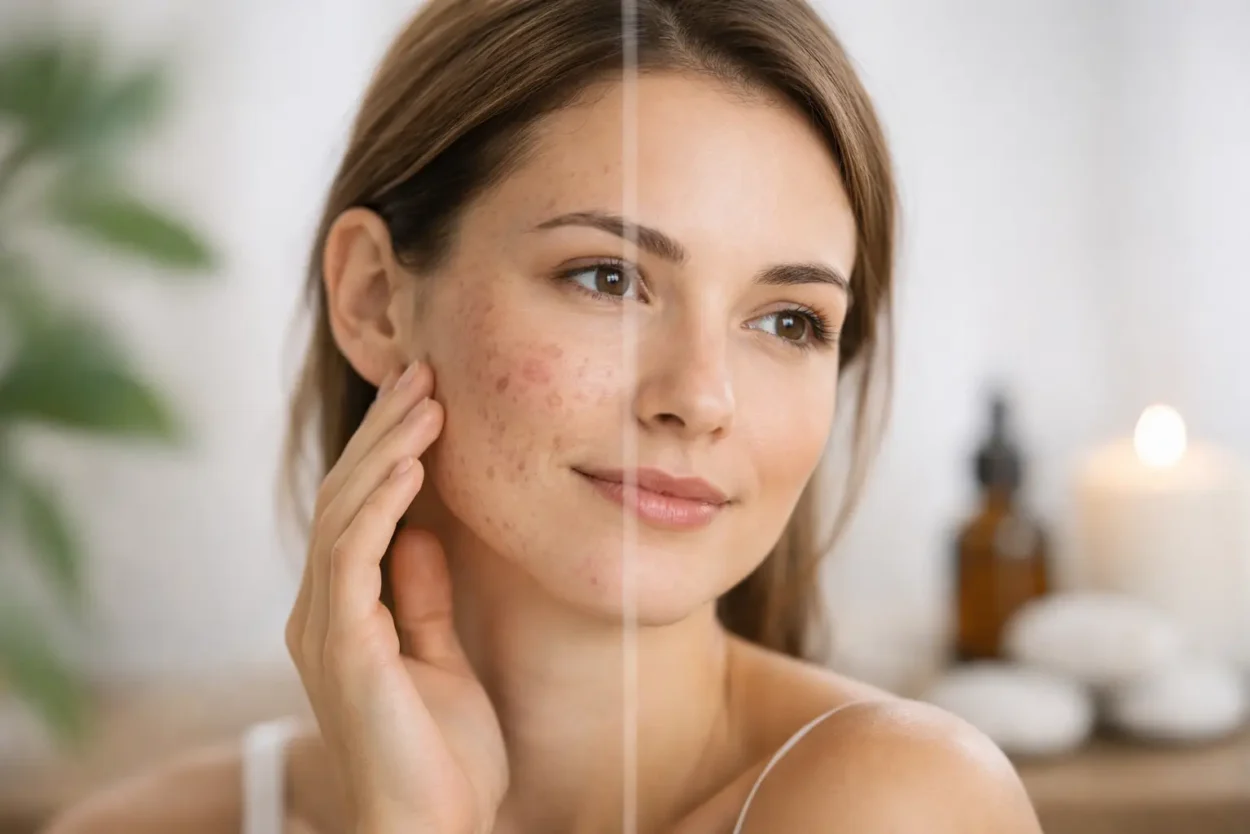
Can Acne Scars Fade Naturally? What to Expect
A breakout finally clears, but the reminder can linger in the mirror for months. If you are asking, can acne scars fade naturally, the honest answer is: some marks can fade significantly on their own, while true scars usually need more than time to fully improve.
The key is knowing what you are looking at. Many of the spots people call acne scars are actually leftover color changes, not permanent changes in skin texture. Those marks often improve with patience, sun protection, and a gentle, consistent routine. Indented or raised scars are different, but there are effective professional options if they bother you.
Can Acne Scars Fade Naturally? It Depends on the Mark
Acne can leave behind several kinds of marks, and they do not all behave the same way. This is why one person’s “scar” may disappear in a few months while another person’s stays visible for years.
Post-inflammatory hyperpigmentation is a flat brown, tan, gray, or purple spot left after inflammation. It is especially common in medium to deep skin tones. This is extra pigment, rather than a scar, and it can gradually fade as skin renews itself. Depending on your skin tone, the depth of the discoloration, and sun exposure, that can take a few months or longer.
Post-inflammatory erythema refers to flat pink or red marks, often seen in lighter skin tones. These marks are related to irritated or enlarged tiny blood vessels after a pimple heals. They can also settle over time, though the process can feel slow.
Atrophic scars are indented scars, including ice pick, boxcar, and rolling scars. They form when inflammation damages collagen during the healing process. Since the skin has lost support beneath the surface, these scars rarely disappear naturally. They may look a little softer over time, but topical products alone cannot reliably rebuild the deeper structure.
Raised scars, including hypertrophic scars and keloids, sit above the skin’s surface because the body makes too much collagen during repair. They may flatten somewhat over time, but they deserve professional guidance, especially if they are growing, itchy, tender, or extending beyond the original breakout area.
What Helps Fading Happen at Home
Natural fading is not about a harsh DIY fix. In fact, aggressive scrubs, picking, and trendy kitchen remedies can create more inflammation, which may leave marks darker and longer-lasting. The most helpful approach is simple: prevent new acne, protect healing skin, and use ingredients that support an even-looking tone.
Wear sunscreen every day
Daily broad-spectrum sunscreen with SPF 30 or higher is one of the most useful steps for post-acne marks. UV exposure can deepen discoloration and make pink or red spots look more noticeable. Apply it each morning, even on cloudy days or when you mostly work near windows. If sunscreen leaves a white cast, look for a sheer chemical formula or a tinted mineral option that suits your skin tone.
Treat active acne early and gently
New breakouts can create new marks, so scar care works best alongside acne prevention. A simple routine may include a gentle cleanser, a non-comedogenic moisturizer, sunscreen, and one acne treatment that your skin tolerates well. Salicylic acid can help unclog pores, while benzoyl peroxide can reduce acne-causing bacteria. Retinoids, including over-the-counter adapalene, can help with breakouts and support skin cell turnover.
Do not start every active ingredient at once. That often leads to dryness, stinging, and irritation – all things that can make discoloration harder to fade. Introduce one product at a time and use it a few nights a week before increasing frequency.
Choose brightening ingredients with realistic expectations
For flat dark marks, ingredients such as azelaic acid, niacinamide, vitamin C, tranexamic acid, and licorice root can be useful additions. Retinoids can also help gradually improve uneven tone and fine surface texture. Results are typically measured in weeks and months, not days.
If your skin is sensitive, start with azelaic acid or niacinamide and keep the rest of your routine basic. If you are pregnant, trying to conceive, or breastfeeding, ask a clinician which acne and brightening ingredients are appropriate before using them.
Leave pimples alone
Picking is one of the fastest ways to turn a temporary breakout into a longer-lasting mark. It pushes inflammation deeper into the skin and raises the chance of infection and scarring. A hydrocolloid pimple patch can be a helpful barrier when you are tempted to touch a spot.
What Not to Use on Acne Scars
Lemon juice, baking soda, toothpaste, undiluted essential oils, and rough sugar scrubs are not scar treatments. They can irritate the skin barrier, cause burns or contact dermatitis, and worsen discoloration. “Natural” does not automatically mean gentle or effective.
Be cautious with at-home microneedling devices, too. Done incorrectly, they can cause infection, more inflammation, or uneven pigment changes. Professional microneedling is different because treatment depth, hygiene, and skin assessment are carefully managed.
When Time Is Enough, and When It Is Not
A useful rule of thumb: if a mark is flat, it has a good chance of fading gradually. If you can feel a dip or raised area when you run a clean finger over it, it is more likely a true scar and may need targeted treatment for a noticeable change.
Give a gentle routine at least eight to 12 weeks before deciding it is not helping. Photograph your skin in the same lighting once a month rather than checking closely every day. Slow progress is still progress, and daily mirror checks can make normal healing feel invisible.
Consider seeing a board-certified dermatologist sooner if you have deep or painful cystic acne, frequent new breakouts, raised scars, rapidly darkening marks, or scars affecting your confidence. Getting active acne under control is often the best way to prevent additional scarring.
Professional Treatments for Textured Acne Scars
A dermatologist can match treatment to the type of scar, your skin tone, and your downtime preferences. There is no single best procedure for everyone, and combination treatment is common.
For indented scars, options may include microneedling, radiofrequency microneedling, chemical reconstruction techniques for narrow ice pick scars, subcision for tethered rolling scars, fillers, and certain laser treatments. Raised scars may respond to steroid injections, silicone-based treatments, laser therapy, or other in-office approaches.
These treatments can be an investment, and some need multiple sessions. They also carry risks such as temporary redness, swelling, pigment changes, or irritation, particularly when performed by an inexperienced provider. A personalized consultation matters more than choosing the buzziest treatment on social media.
A Simple Routine for Marks That Are Still Healing
Keep mornings easy: cleanse if needed, apply a brightening serum if your skin tolerates one, moisturize, and finish with sunscreen. At night, cleanse, use either a retinoid or another gentle treatment, then moisturize.
Avoid stacking strong exfoliating acids, retinoids, and acne spot treatments in one session. If your skin feels tight, flaky, or sore, pause the actives and focus on moisturizer and sunscreen for a few days. Calm skin tends to heal more gracefully than irritated skin.
Acne marks can test anyone’s patience, especially when the original breakout is long gone. Be kind to your skin, protect it consistently, and remember that fading is usually gradual rather than dramatic. If texture remains or the marks are weighing on you, getting professional advice is a practical next step, not a sign that you have failed at skincare.