
Build a Korean skincare routine that suits your skin with easy steps, product tips, and smart ways to avoid overdoing your daily regimen with confidence.
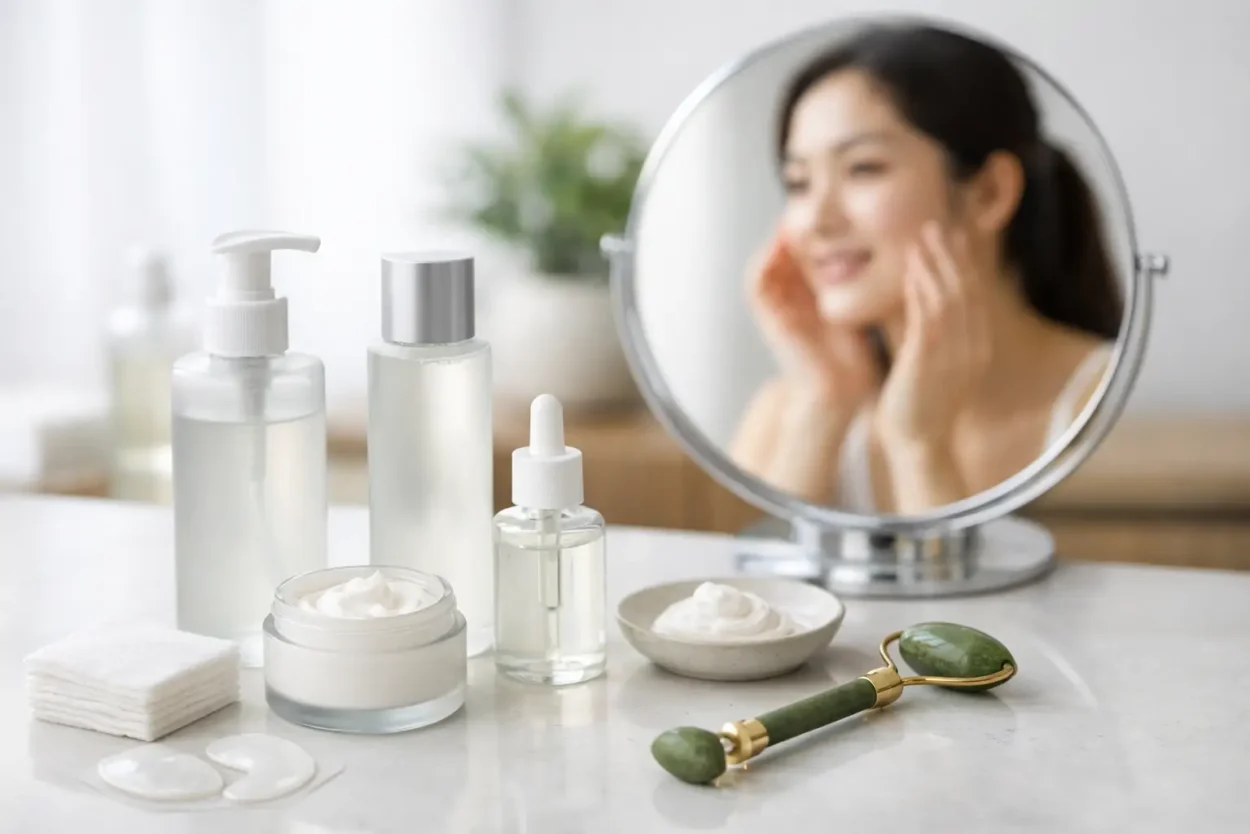
A Simple Korean Skincare Routine for Beginners
A Korean skincare routine is less about owning a crowded shelf of pretty bottles and more about giving your skin the right support consistently. The well-known 10-step version can be fun to try, but it is not a daily requirement. A simple routine built around cleansing, hydration, moisturizer, and sunscreen can look polished, feel calming, and be much easier to keep up with.
The best place to start is with your skin’s current needs. If it feels tight or flaky, focus on gentle formulas and moisture. If you deal with oiliness or breakouts, choose lightweight products and introduce treatment ingredients slowly. The goal is comfortable, balanced skin, not a complicated routine you abandon after a week.
What Makes a Korean Skincare Routine Different?
Korean beauty is often associated with layering, but the bigger idea is thoughtful layering. Products tend to be chosen for a specific purpose, such as adding water-based hydration, supporting the skin barrier, smoothing texture, or providing sun protection. Rather than relying on one heavy cream to do everything, you can use a few lightweight products that work well together.
This approach also puts prevention front and center. Daily sunscreen, gentle cleansing, and regular hydration are treated as everyday habits, not occasional fixes. That can be especially useful if your skin becomes reactive when you switch products too often or use harsh scrubs to chase quick results.
Still, more steps do not automatically mean better skin. Using too many active ingredients at once can lead to redness, dryness, and breakouts. Consider the Korean routine a flexible menu, not a rulebook.
Build Your Korean Skincare Routine Step by Step
Start with the basic four steps below. Once they feel easy and your skin is happy, you can add one or two extras based on your goals.
1. Cleanse without stripping your skin
In the evening, cleansing removes sunscreen, makeup, sweat, and the general buildup of the day. If you wear water-resistant makeup or a generous layer of sunscreen, try double cleansing: begin with a cleansing oil or balm, then follow with a gentle water-based cleanser.
The first cleanse helps dissolve oil-based products. The second cleanse takes care of leftover residue and leaves your skin fresh. If you do not wear makeup and your sunscreen comes off easily, one gentle cleanser may be enough.
In the morning, many people only need a splash of lukewarm water or a mild cleanser. A squeaky-clean feeling is usually a sign that your skin has been stripped of too much oil.
2. Add a hydrating toner or essence
Toners in Korean skincare are often designed to hydrate rather than sting. Look for formulas with ingredients such as glycerin, hyaluronic acid, panthenol, rice extract, green tea, or centella asiatica. Pat a small amount onto slightly damp skin with clean hands.
An essence is similar but may feel a little more nourishing or serum-like. You do not need both a toner and an essence when you are starting out. Pick one, use it consistently, and see how your skin feels.
3. Use a serum for one clear concern
This is the step where you can tailor your routine. A hydrating serum can help skin look plumper and feel less tight. Niacinamide is a popular option for excess oil, visible pores, uneven tone, and a weakened moisture barrier. Vitamin C is commonly used in the morning for dullness and the appearance of dark spots.
For acne or rough texture, exfoliating acids can help, but use them with care. A salicylic acid product may suit clogged pores, while gentle lactic or mandelic acid can support smoother-looking skin. Start one or two nights a week, not every day. If your face starts burning, peeling, or becoming unusually red, pause the product and return to a basic routine.
4. Seal in moisture with a moisturizer
Moisturizer is not just for dry skin. Oily and combination skin also benefits from moisture, especially when using acne treatments or exfoliants. The difference is texture. A gel cream may be comfortable for oily skin, while a cream with ceramides, squalane, or shea butter can be more satisfying for dry skin.
Apply moisturizer after water-based products to help reduce moisture loss. At night, you can use a slightly richer formula if your skin feels dry in the morning or during colder months.
5. Finish with sunscreen every morning
Sunscreen is the non-negotiable daytime step. Choose broad-spectrum SPF 30 or higher and apply it as the last part of your morning routine. Korean sunscreens are especially popular because many have lightweight, dewy textures that layer nicely under makeup.
Use enough to cover your face, ears, and neck, then reapply when you are outdoors for extended periods, sweating, or wiping your face. If you are working near a sunny window, driving frequently, or treating dark spots, daily sunscreen matters even more.
Easy Morning and Night Routines
A realistic morning routine can be as simple as cleanse or rinse, hydrating toner or essence, moisturizer if needed, and sunscreen. If you use vitamin C, apply it before moisturizer and sunscreen.
At night, cleanse, add toner or essence, apply a serum or treatment, and finish with moisturizer. On dry days, a sleeping mask can take the place of your regular night cream once or twice a week. Think of it as an extra comfort step, not something your skin must have every night.
If you want to use a sheet mask, use it after cleansing and toner, then apply moisturizer afterward. Sheet masks can feel soothing and give a temporary hydrated glow, but they are not a replacement for everyday moisturizing.
Choose Products for Your Skin Type
Dry skin often responds well to creamy cleansers, hydrating essences, and barrier-supporting ingredients such as ceramides and panthenol. Avoid using strong exfoliants too often, especially if your skin is already flaky or sensitive.
Oily or acne-prone skin may prefer lightweight gel moisturizers and non-greasy sunscreen. Ingredients like niacinamide and salicylic acid can be useful, but adding several acne products at once can backfire. Give one new treatment a few weeks before deciding whether it works.
Combination skin can be a little more flexible. Use a lighter moisturizer across your face, then add a richer cream only to dry areas such as the cheeks. Sensitive skin usually does best with short ingredient lists, fragrance-free formulas, and a slow pace. Patch-test new products on a small area before applying them everywhere.
Common Mistakes That Make Routines Harder
The biggest mistake is starting with every step at once. New products can cause irritation, and if you introduce five products in a single week, it becomes nearly impossible to know what caused the problem. Add one new item at a time, ideally every one to two weeks.
Another common issue is combining strong treatments without a plan. For example, retinoids, exfoliating acids, and benzoyl peroxide can all be helpful, but using them together on the same night may be too much for many people. Alternate treatment nights and use a plain moisturizer when your skin needs a break.
Do not judge a routine only by a one-day glow, either. Hydration can make skin look fresh quickly, but concerns such as breakouts, uneven tone, and texture usually need steady care over several weeks. If you have persistent acne, painful irritation, or a skin condition such as eczema or rosacea, a dermatologist can offer more personalized guidance.
A Korean skincare routine should make your day feel a little more cared for, not more complicated. Keep the products you enjoy, skip the steps that do not serve your skin, and let consistency do the quiet work.