
Try this healthy weekly meal prep example with simple breakfasts, lunches, dinners, and snacks that save time, money, and weekday stress.
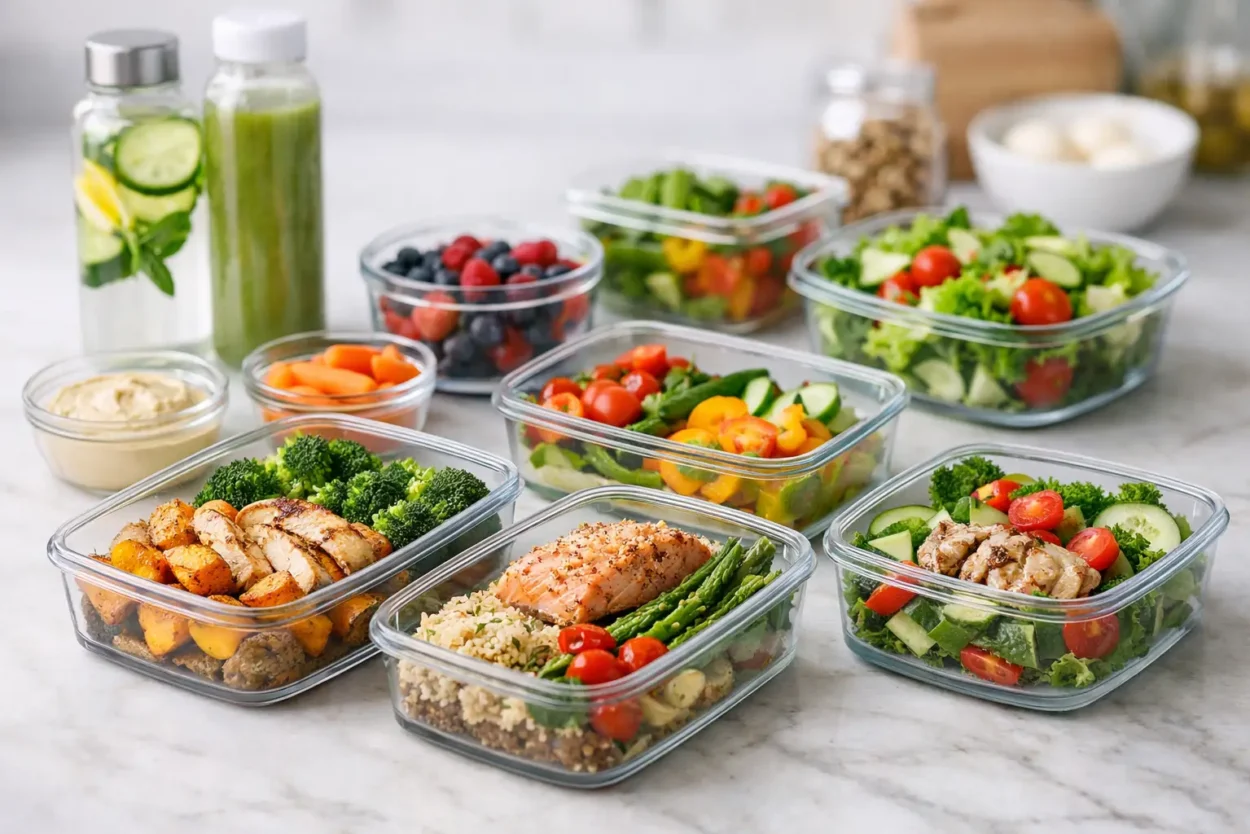
Healthy Weekly Meal Prep Example That Works
Sunday at 5 p.m. is when a lot of good intentions fall apart. You want easier lunches, fewer takeout orders, and dinners that do not feel like a last-minute puzzle – but you also do not want to spend your whole weekend cooking. A healthy weekly meal prep example works best when it feels realistic, flexible, and good enough to repeat next week.
This is not a bodybuilder meal plan or a fridge full of identical containers. It is a practical setup for a busy adult who wants balanced meals, simple ingredients, and less decision fatigue from Monday through Friday. The goal is to prep smart, not perfectly.
What a healthy weekly meal prep example should include
The most useful meal prep plan has a mix of protein, fiber, healthy fats, and produce, but it also needs variety. If every meal tastes the same by Wednesday, even the healthiest prep can end up in the trash. That is why it helps to prep components that can be used in different ways instead of fully cooking seven identical meals.
For one workweek, think in terms of three breakfasts, three to four lunches, two dinner bases, and a few snacks. That usually gives enough structure without making your fridge feel overpacked. It also leaves room for one easier night, leftovers, or a social plan.
A strong prep week often includes one cooked protein, one no-cook backup, a grain or starch, washed produce, a sauce or dressing, and a couple of easy snack options. That balance gives you convenience without locking you into a rigid menu.
A healthy weekly meal prep example for 5 days
Here is one simple setup that fits a typical Monday through Friday routine. It is balanced, budget-friendly, and easy to adjust if you are cooking for one or two people.
Breakfast
Prep overnight oats for three days using rolled oats, Greek yogurt, chia seeds, milk of choice, and frozen berries. They keep well, taste good cold, and actually feel satisfying thanks to the protein and fiber. For the other two mornings, make egg muffins with spinach, bell peppers, and shredded cheese. Pair those with fruit or whole grain toast.
This split matters because breakfast boredom is real. Some people are happy eating the same thing daily, but most want at least a little variety. Oats are great for grab-and-go mornings, while egg muffins feel more savory and substantial.
Lunch
Build four grain bowls using cooked brown rice or quinoa, roasted chicken, chopped cucumber, cherry tomatoes, shredded carrots, and roasted broccoli. Add hummus or a simple lemon-tahini dressing just before eating. These bowls travel well, and the ingredients hold up better than delicate greens if they sit in the fridge for a few days.
For the fifth lunch, keep a backup option that takes almost no effort, like a whole grain wrap with turkey, avocado, greens, and mustard. This gives you a break from bowls and helps on days when you forget to pack a container or need something fast.
Dinner
Dinner is where meal prep often gets too ambitious. Instead of cooking five separate dinners in advance, prep two dinner foundations and rotate them.
The first is sheet pan salmon with sweet potatoes and green beans. Roast everything at once, then portion two to three servings. The second is a turkey taco skillet made with lean ground turkey, black beans, onions, taco seasoning, and salsa. Serve it over rice, in lettuce cups, or in tortillas depending on your mood.
This approach works because the dinners feel different even if some ingredients overlap. Sweet potatoes can also show up at lunch, and extra taco mixture can become a quick lunch if plans change.
Snacks
A healthy weekly meal prep example is more likely to succeed when snacks are ready too. Otherwise, the 3 p.m. slump sends you straight to vending machine decisions.
Keep it simple with cut bell peppers, cucumber slices, apples, hard-boiled eggs, cottage cheese, and a small container of mixed nuts. If you want something slightly sweeter, prep energy bites with oats, peanut butter, and a little honey. You do not need a huge snack menu – just enough to make the easy choice the obvious one.
Your shopping list for this meal prep week
To make this plan happen, shop with overlap in mind. That keeps costs down and reduces waste.
You would want basics like rolled oats, chia seeds, Greek yogurt, eggs, milk, brown rice or quinoa, whole grain wraps, chicken breast, salmon, lean ground turkey, black beans, hummus, and shredded cheese. For produce, grab berries, apples, spinach, bell peppers, broccoli, cucumbers, cherry tomatoes, carrots, green beans, onions, sweet potatoes, lettuce, avocado, and lemons.
Pantry staples such as olive oil, taco seasoning, garlic powder, salt, pepper, salsa, and tahini help tie everything together. If you already have those at home, your grocery bill gets even friendlier.
How to prep it in about 90 minutes
You do not need a full Sunday lost to chopping. A streamlined session is usually enough.
Start with the oven. Roast sweet potatoes and broccoli on one tray, and bake the salmon on another during the last part of the roasting time. While those cook, make the rice or quinoa and brown the turkey with onions and seasoning on the stove. At the same time, hard-boil a few eggs and mix the overnight oats.
Once the hot food is underway, chop raw vegetables for lunches and snacks. Then make the egg muffins and slide them into the oven after the roasted vegetables come out. While they bake, portion lunches into containers and mix a quick dressing.
The order matters. Cooking the longest items first keeps the process moving, and using overlapping ingredients cuts down on both prep time and cleanup.
How to keep it healthy without making it bland
Healthy meal prep goes wrong when it focuses only on calories and forgets satisfaction. If your meals are technically balanced but not enjoyable, they will not last long.
Flavor makes the difference. Use acids like lemon juice, creamy elements like hummus or avocado, and seasoning blends that change the mood of a meal. The same chicken and rice can feel completely different with tahini one day and salsa the next.
Texture matters too. Pair soft foods with crunchier vegetables, nuts, or seeds. A grain bowl with roasted vegetables, fresh cucumber, and a creamy dressing feels much more interesting than a plain container of chicken and rice.
Easy ways to customize this healthy weekly meal prep example
One of the best things about this setup is that it is easy to adapt. If you do not eat salmon, swap in shrimp, tofu, or extra chicken. If you want a lower-carb lunch, skip the grain and use chopped romaine as the base. If dairy is not your thing, use a plant-based yogurt for oats and skip the cheese in the egg muffins.
Budget can change the plan too. Salmon is great, but it is not always the most affordable choice. Canned tuna, rotisserie chicken, or extra beans can lower the total cost while still keeping meals balanced.
If you are feeding more than one person, you may want to prep fewer individual lunch boxes and more larger containers of ingredients buffet-style. That gives everyone room to assemble meals their own way.
Common meal prep mistakes to avoid
The biggest mistake is making too much food that expires before you want to eat it. Start smaller than you think you need, especially if you are new to prepping. Three to five days is usually the sweet spot for freshness.
Another issue is choosing recipes that do not hold well. Delicate greens, sliced avocado, and crispy foods often lose their appeal after a day or two. That does not mean you should avoid them completely – just add them right before eating when possible.
It also helps to be honest about your schedule. If you know Wednesday is your busiest night, prep your easiest dinner for that day. Meal prep should support real life, not an ideal version of it.
Why this kind of prep actually sticks
A lot of meal plans fail because they ask for too much change all at once. This one works better because it builds in repeat ingredients, a little variety, and enough convenience to make weekdays easier. It is healthy, but it still feels like normal food.
That is the sweet spot. You want a system that helps you eat well when life gets busy, not one that turns cooking into another stressful job. Start with one healthy weekly meal prep example like this, notice what you actually enjoy eating, and let next week get a little easier from there.


Comments are closed.