
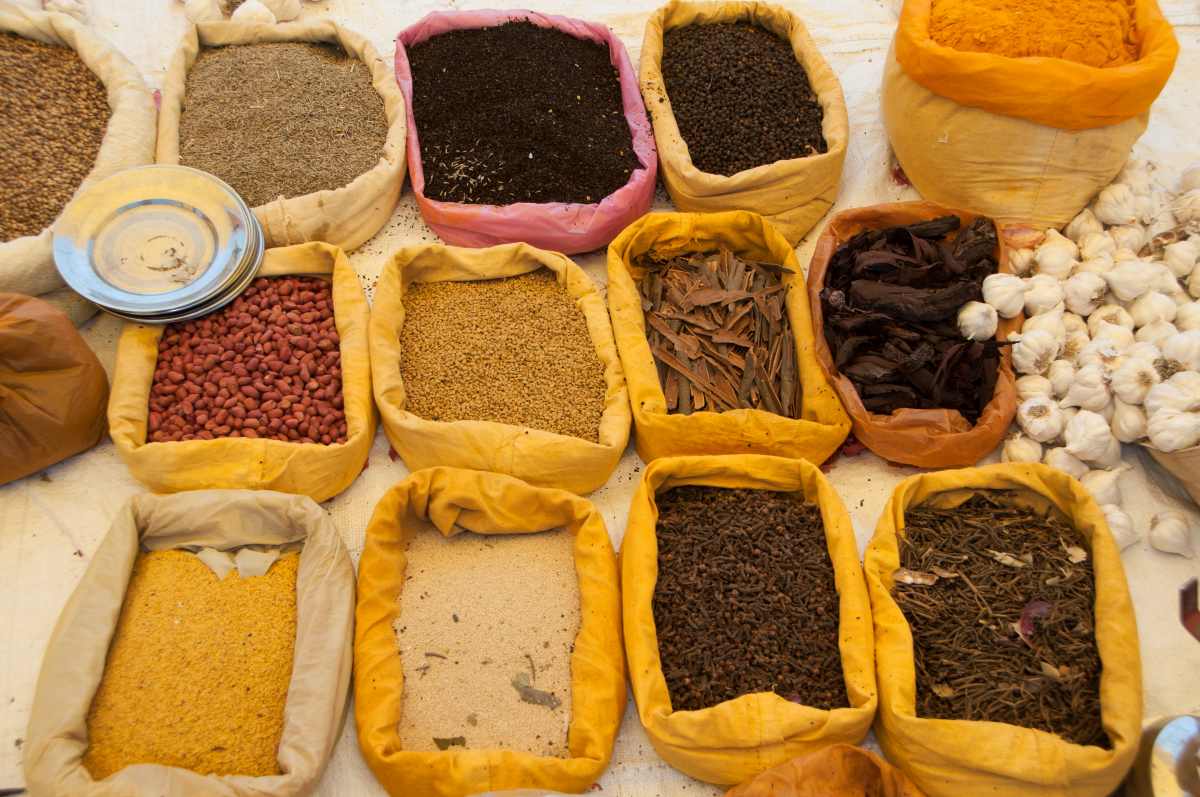
Hello, dear housewives and cooking enthusiasts! Today I want to share with you everything I have learned about middle eastern spices and how they can transform the dishes in your kitchen, bringing authentic and unmistakable flavors.
Whether you are cooking chicken, beef, mutton, fish or food in general, spices in Arab cuisine can help you achieve delicious dishes full of flavor and health benefits.
Why do we choose middle eastern spices?
Middle eastern spices are famous for the complexity of flavors they impart to dishes. They add not only taste, but also color and texture to dishes, making them memorable. Each spice brings a specific note:
- Cumin: it gives an earthy, slightly spicy flavor.
- Coriander: adds freshness and a subtle citrus note.
- Cinnamon and cloves: creates a heat and sweetness effect, perfect for mutton or beef dishes.
- Cardamom: gives an exotic, slightly mentholated taste, ideal for desserts and aromatic dishes.
- Turmeric: not only does it provide vibrant color, but also a slightly bitter flavor and anti-inflammatory benefits.
- Sumac: it brings a tangy and fresh note, great for fish and salads.
- Paprika: it can be sweet or spicy, providing an extra color and a smoky taste.
In addition, specific spice mixes such as the baharat, combines several of these spices to create a balanced and sophisticated blend.
Baharat – The Essential Blend of Arab Cuisine
Bahar is one of the most popular spice mixes in Arab cuisine and is used to season a variety of dishes. Why is it so special? Here’s what it contains and what tastes it brings:
- Typical ingredients: Black pepper, coriander, cumin, paprika, cardamom, cinnamon, cloves, nutmeg and sometimes dried rose petals.
- What taste it brings:
- Black pepper and cardamom it gives a spicy and aromatic note.
- Coriander and cumin it adds an earthy and slightly citrus flavor.
- Cinnamon, cloves and nutmeg they bring a warm, sweet and spicy effect, balancing acidity and pepper.
- Rose petals (if included) add a delicate floral note.
This mix is ideal for seasoning meat, vegetables, soups or even rice, giving dishes a complex and unmistakable taste.
Other mixes of Arabic spices
In addition to baharat, there are some Arabesque spice mixes worth trying in the kitchen:
- Za’atar: A classic mixture containing dry thyme, sumac, sesame seeds and salt, ideal to give a slightly acidic and aromatic note, perfect for bread, salads and various vegetable dishes.
- Dukkah: Originally from Egypt, this mix is made from roasted nuts (hazelnuts, almonds or walnuts), seeds (coriander, cumin and/or sesame seeds) and spices. Dukkah adds a crunchy texture and a complex, slightly spicy taste, great for serving with bread and olive oil or seasoning meat and vegetables.
- Ras el Hanout: A sophisticated mix, specific to North African cuisine, which can contain up to 30 spices (such as cinnamon, cloves, cardamom, cumin, coriander, turmeric, black pepper, etc.). This blend adds a deep and complex flavor, making it ideal for marinades, stews, and meat or vegetable dishes.
These mixes bring depth and character to the dishes, each offering a unique balance of flavors that perfectly complement the specifics of middle eastern dishes.
Spices for Different Types of Meat
1. Chicken meat
For chicken, Arabic spices can transform a simple steak or stew into a dish full of flavors:
- Cumin and Coriander: They are ideal for giving chicken an earthy and slightly citrus flavor. These spices go great with marinating before grilling or baking.
- Paprika : It adds color and a slightly smoky note, perfect for steaks or roast chicken.
- Turmeric: It provides an intense golden color and a subtle taste, complementing the flavors without dominating the dish.
- Sumac: It can be sprinkled at the end of cooking to add an acidic and fresh note, intensifying the taste.
2. Beef
For beef, middle eastern spices add depth and complexity:
- Cinnamon, cloves and nutmeg: These spices add a warm, sweet kick that’s perfect for beef stews or roasts.
- Black pepper and cumin: It gives a slightly spicy and earthy taste, essential for marinades and sauces.
- Seasoning: It is an ideal mix for beef, combining the flavors mentioned above and giving the dish an authentic oriental taste.
3. Mutton
Mutton is often rich and intense, and middle eastern spices can bring out the best flavors:
- Dried Rosemary: It offers a fresh, woody note, ideal for baked or grilled dishes.
- Coriander and cumin: It helps reduce the specific mutton taste, bringing more subtle flavors to the fore.
- Seasoning: The combination of baharat spices goes perfectly with the mutton, giving it an exotic and complex touch.
4. Fish
Fish is best prepared with spices that do not cover its delicacy:
- Sumac: It is excellent for fish, thanks to its acidic notes, which balance its natural fat.
- Turmeric and Ginger: It adds a slightly spicy aroma and fresh taste, perfect for Asian and Arabic dishes.
- Dried lemon (or za’atar): For added freshness, you can use za’atar – a mix of herbs with sumac and sesame seeds – or dried ground lemon, which intensifies the flavor of baked or grilled fish.
Spices for Food in General
In Arabic cuisine, many dishes are based on a harmonious combination of spices. Here are some universal options:
- Coriander and cumin: They are the basis of many Arabic recipes, bringing a distinct, slightly spicy and earthy flavor.
- Paprika and Turmeric: They are ideal for providing color and a slightly smoky taste, suitable for a variety of soups, stews and rices.
- Mixes like baharat: For complex dishes, the baharat blend adds a depth of flavor that balances sweet, spicy and aromatic, perfect for meats, vegetables and even desserts with oriental flavors.
Arabic spices are the key to transforming the dishes in your kitchen into an authentic and flavorful culinary experience.
Whether you are preparing chicken, beef, mutton or fish, or want to give an oriental twist to classic recipes, spices such as cumin, coriander, paprika, turmeric, sumac and, of course, baharat mix are indispensable.
Using these spices, you will get dishes full of complex and balanced flavors that will delight your taste buds and bring a touch of oriental magic to your kitchen. Experiment, adapt the recipes to your taste and enjoy the authentic taste of Arabic food!
Bon appetit and happy cooking!

Leave a Comment