See viral YouTube shorts examples that use strong hooks, quick pacing, and satisfying payoffs, then adapt the ideas for your own channel today with ease.
10 Viral YouTube Shorts Examples That Get Views
A Short that earns thousands or millions of views rarely starts with a polished intro. It starts with a moment viewers immediately want resolved: a messy room becoming calm, a $5 ingredient turning into dinner, or a surprising fashion fix that actually works. These viral YouTube shorts examples show how simple ideas can become highly watchable when the first second, the pacing, and the ending all work together.
The goal is not to copy another creator frame for frame. It is to recognize a structure people already enjoy, then bring it into your own niche, personality, and point of view. Whether you post recipes, beauty tips, home projects, travel clips, or everyday lifestyle content, the formats below offer practical inspiration.
What Makes a YouTube Short Go Viral?
Viral does not always mean the same thing for every channel. A Short with 50,000 views can be a major win for a newer creator, while an established account may need far more reach to see real growth. Still, the most shared Shorts tend to have a few things in common: a clear idea, a visual change or surprise, and an ending that feels worth waiting for.
The first one or two seconds matter most. Skip greetings, logos, and long explanations. Show the finished result, the problem, or the most unexpected moment first, then let the viewer watch to see how it happened.
Shorts also benefit from a tight promise. “I tried a viral pasta recipe” is broad. “This three-ingredient pasta sauce saved my weeknight dinner” gives people a reason to stay. The best promise is specific without giving away every detail.
10 Viral YouTube Shorts Examples to Adapt
1. The dramatic before-and-after
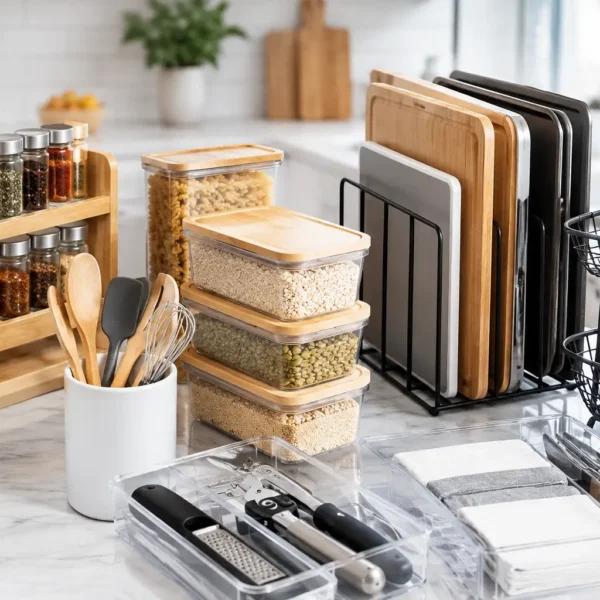
A cluttered kitchen counter, dull rental bathroom, unstyled bookshelf, or tired-looking patio can make a powerful opening image. Show the “before” immediately, then cut through the process quickly before revealing the final space.
This format works because viewers love transformation. The bigger the contrast, the stronger the payoff. You do not need a major renovation, either. Organizing a junk drawer or refreshing a front porch with thrift-store finds can work if the end result feels satisfying and achievable.
Try opening with text such as: “My entryway looked like this for six months.” Let the final shot linger for an extra second so viewers can take in the details.
2. The quick recipe with a texture reveal
Food Shorts often go viral when they make viewers imagine the taste and texture. Think of a spoon breaking through crispy baked feta, a stack of fluffy pancakes being pulled apart, or melted cheese stretching from a skillet meal.
Start with the best visual, not the ingredient lineup. Then use short cuts to show only the key steps. The finished bite or texture reveal should be the last moment. A recipe needs to be genuinely easy enough to follow, especially if you promise a 15-minute meal or a budget-friendly dessert.
The trade-off is that overly fast recipe videos can feel impossible to recreate. Include ingredient amounts in on-screen text or the caption so the video remains useful after the first view.
3. The “I tested it so you don’t have to” review
People are naturally curious about products and trends they keep seeing online. A creator who tests a popular heatless curler, skin care tool, drugstore foundation, kitchen gadget, or travel accessory can turn that curiosity into a strong Short.
The key is honesty. Show the product in use, state what you expected, and give a clear final verdict. Did it save time? Was it uncomfortable? Did it only work under certain conditions? Specificity builds trust and makes the video more useful than a generic rave review.
A strong opening could be: “Everyone says this $12 tool gives salon results, so I used it for a week.” The viewer now knows exactly what question the Short will answer.
4. The one-problem beauty fix
Beauty content performs well when it addresses a small, recognizable frustration. Examples include makeup separating around the nose, mascara smudging under the eyes, dry lipstick, or hair that falls flat by lunchtime.
Show the problem close up, then demonstrate one fix. Avoid cramming five unrelated tips into 20 seconds. A single useful idea is easier to remember, save, and share with a friend.
Results should stay realistic. Lighting, skin type, and product preferences affect outcomes, so it helps to say who a tip may work best for. That small bit of nuance makes a beauty Short feel more trustworthy.
5. The tiny apartment or small-space solution
Small-space content gets attention because it solves a problem many people have right now. Show how you made a studio apartment feel larger, created a work area in a bedroom, or organized a bathroom with limited storage.
The strongest version focuses on one clever change rather than a full room tour. For example, a narrow rolling cart tucked beside a washer can become a practical laundry station. A bed skirt can hide under-bed storage without making the room feel crowded.
Use clear labels for dimensions, prices, or storage capacity when relevant. Viewers are more likely to save a Short when they can picture the idea in their own home.
6. The unexpected comparison
Comparison Shorts turn a common decision into a mini story. You might compare a homemade iced coffee with a coffee-shop version, a $10 drugstore product with a luxury alternative, or an airport outfit with a more comfortable travel outfit.
The comparison should be fair. Use the same lighting for beauty products, similar ingredients for recipe tests, or the same room for home decor options. Then give your final choice and explain why it won.
Not every comparison needs a dramatic winner. Sometimes “both are good, but one is better for dry skin” is the most helpful takeaway. Viewers appreciate a recommendation that recognizes different needs and budgets.
7. The satisfying reset routine
A Sunday reset, post-trip unpacking, desk cleanup, or evening kitchen reset can be surprisingly addictive to watch. These Shorts work best with close-up sounds, smooth cuts, and visible progress.
Rather than filming every chore, choose the most satisfying moments: folding fresh towels, wiping a shiny counter, sorting a crowded drawer, or making the bed. A simple beginning-to-end story gives the routine a sense of completion.
To keep it from feeling generic, add one personal detail. Maybe you use a five-minute timer, a favorite room spray, or a rule that makes the reset manageable after a busy week.
8. The travel tip that saves money or stress
Travel Shorts need a practical angle. “Come with me to Miami” may appeal to existing followers, but “the hotel room item I always pack for better sleep” gives strangers a reason to watch.
Strong examples include a carry-on packing method, a simple way to organize travel documents, an affordable neighborhood food find, or a mistake to avoid when booking a popular attraction. Use footage from the trip, but make the tip the main character.
Be careful with prices, rules, and airport advice because they can change. If information may vary by location or season, frame it as your experience rather than a universal guarantee.
9. The mini challenge with a visible result
Challenges add natural tension. You could style one pair of jeans three ways, cook dinners from pantry staples for three days, refresh a bedroom with a set budget, or wear the same hair routine for a week.
A challenge works when the rules are clear and the ending proves whether it was worth doing. Show the limitation early: “I gave myself $30 to improve this balcony.” Then reveal what the money bought and how the space looks at the end.
This format is especially useful for lifestyle creators because it can become a repeatable series. Just make sure each episode has a fresh problem or result, not the same idea with a different background.
10. The opinion viewers want to debate
A thoughtful hot take can inspire comments, but it should invite conversation rather than insult people. For example: “You do not need a 10-step skin care routine,” or “The best guest room upgrade is not expensive bedding.”
State your opinion, show the reasoning, and leave room for another perspective. The point is not to manufacture outrage. It is to share a clear, useful point of view that helps viewers decide what fits their own routine.
How to Turn an Example Into Your Own Short
Pick one format and write a one-sentence promise before filming. If that sentence feels vague, your video will probably feel vague too. Then film the result or most interesting moment first, even if it appears at the end of the actual process.
Keep captions easy to read, use cuts whenever the visual stops changing, and choose music or audio that supports rather than overwhelms the idea. A voiceover can add warmth and personality, but it is not required if the visuals tell the story clearly.
Most importantly, make the payoff match the hook. If you promise an easy organization fix, show the finished system and explain why it works. When viewers get what they came for, they are more likely to watch another video from you. Start with an idea you can genuinely repeat, improve, and enjoy making – that is often where lasting channel growth begins.