Face oil vs moisturizer: learn what each one does, which skin types benefit most, and how to layer them for soft, balanced-looking skin every day at home.
Face Oil vs Moisturizer: Which Does Skin Need?
Your skin can feel tight right after cleansing, then look shiny by lunch. That is exactly why the face oil vs moisturizer question gets confusing: both can make skin feel softer, but they work in different ways. Choosing the right one is less about following a trend and more about understanding what your skin is asking for.
A moisturizer is usually the everyday essential because it helps hydrate the skin and support its protective barrier. A face oil can be a beautiful extra step, especially when skin feels dry, rough, or uncomfortable. For many routines, the answer is not one or the other. It is using the right product, in the right amount, at the right time.
Face Oil vs Moisturizer: The Main Difference
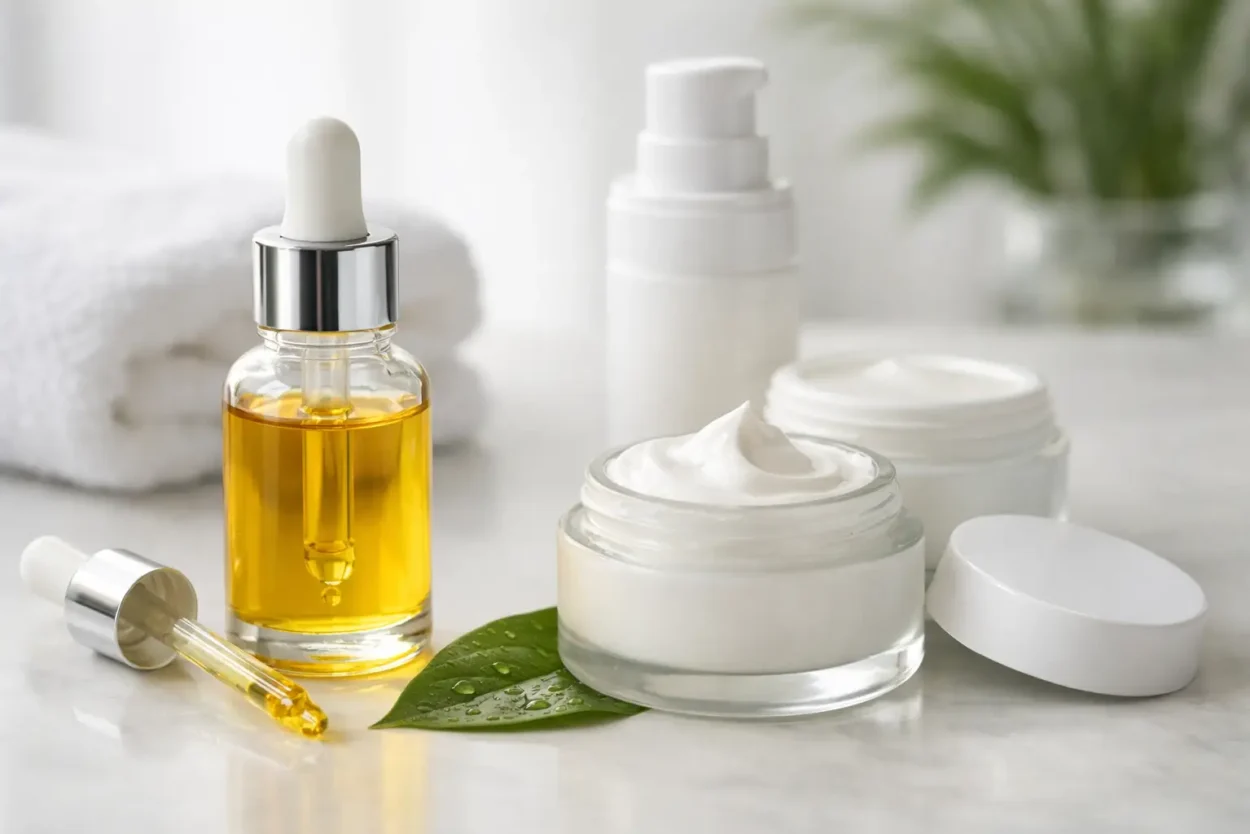
The simplest distinction is this: moisturizers add and hold water in the skin, while face oils primarily soften skin and help reduce moisture loss.
Most moisturizers combine three types of ingredients. Humectants, such as glycerin and hyaluronic acid, draw water into the outer layer of skin. Emollients smooth rough texture and make skin feel supple. Occlusives create a light seal that slows water from evaporating. The exact formula can be a gel, lotion, cream, or balm, depending on how rich it is.
Face oils are made with plant oils, squalane, or other oil-based ingredients. They are rich in fatty acids and skin-softening compounds that can leave a healthy-looking glow. But oil is not the same as hydration. If your skin is dehydrated, applying oil alone may make it feel smoother temporarily without giving it the water it needs.
Think of moisturizer as the glass of water and face oil as the lid that helps keep that water from disappearing too quickly.
What a Moisturizer Does for Your Skin
Moisturizer is the more versatile choice for most people because every skin type needs some level of hydration and barrier support. Your skin barrier is the outer layer that helps keep moisture in and potential irritants out. When it is stressed, skin may feel dry, sting when you apply products, look flaky, or become more reactive than usual.
A well-matched moisturizer can help skin feel comfortable without leaving it greasy. Gel moisturizers often suit oily or acne-prone skin because they feel light and absorb quickly. Lotions offer a middle ground for normal or combination skin. Rich creams are often a better fit for dry skin, cold weather, or anyone using potentially drying active ingredients like retinol or exfoliating acids.
Moisturizer can also be a practical way to add treatment ingredients without overcomplicating your routine. You may find formulas with ceramides for barrier support, niacinamide for a more even-looking complexion, or soothing ingredients such as colloidal oatmeal and panthenol.
What Face Oil Does Best
Face oil shines when your skin needs comfort, softness, and a little extra protection from dryness. It can give dull skin a more luminous finish and make makeup sit more smoothly over dry patches. A few drops may also help when indoor heat, air conditioning, travel, or winter wind leave your complexion feeling parched.
Not every oil feels the same. Squalane is lightweight and often works well for a wide range of skin types. Jojoba oil has a light texture and can be a comfortable option for combination skin. Rosehip oil is popular for its nourishing feel, while richer oils such as marula or avocado may be better reserved for very dry skin.
The trade-off is that an oil can be too heavy for some people. If you are very oily, prone to clogged pores, or dealing with active breakouts, a richer face oil may feel uncomfortable or contribute to congestion. This does not mean all oils are off-limits, but it does mean texture and amount matter.
Do You Need Both?
You do not have to use both products. A moisturizer alone is enough for many daily routines, particularly if your skin is balanced, oily, or sensitive. A face oil is best viewed as an optional support step rather than a replacement for moisturizer.
Using both can make sense if your skin is dry, dehydrated, mature, or exposed to harsh weather. It can also help if you use retinol, prescription acne treatments, or exfoliating products that leave your skin feeling less comfortable. Start with moisturizer, then press one to three drops of oil over it at night.
That order matters. Moisturizer is typically water-based, while oil-based products sit on top and create a more protective finish. Applying oil first can make it harder for a water-based moisturizer to spread evenly across the skin.
How to Choose Based on Your Skin Type
Your skin type is a useful starting point, but how your skin feels from week to week matters just as much. Seasons, hormones, stress, and new products can all change what works best.
Dry skin
Choose a cream moisturizer with ingredients such as ceramides, glycerin, or hyaluronic acid. If skin still feels tight, add a few drops of face oil at night. Skip heavily fragranced formulas if your skin is easily irritated.
Oily or acne-prone skin
A lightweight gel or lotion moisturizer is usually the priority. Look for non-greasy formulas that hydrate without a thick finish. You may not need a face oil at all, though a very light oil like squalane can work for some people. Patch test first and introduce only one new product at a time.
Combination skin
Combination skin often benefits from a light moisturizer across the whole face, with extra richness only where needed. You might use face oil on dry cheeks but avoid the oilier forehead, nose, and chin area.
Sensitive skin
Keep the routine simple. Choose a fragrance-free moisturizer with calming, barrier-supporting ingredients. If you want to try an oil, select a minimal formula and patch test it on a small area for several days. Essential oils and heavily scented blends can be irritating for sensitive skin.
Dehydrated skin
Dehydration means skin lacks water, and it can happen even if your face produces plenty of oil. Focus on a hydrating moisturizer or serum first. A face oil can help seal in that hydration, but it should not be the only product doing the work.
How to Layer Face Oil and Moisturizer
A simple routine is usually the easiest routine to stick with. In the morning, cleanse gently or rinse with water, apply any lightweight treatment product, moisturize, and finish with sunscreen. If you love the look of face oil during the day, use one drop mixed into moisturizer rather than applying a full layer underneath sunscreen.
At night, cleanse, apply treatment products if you use them, then moisturize. Press face oil over your moisturizer as the last step. You do not need to massage aggressively. Gentle pressure is enough, especially around the eyes and any irritated areas.
If your foundation pills or sunscreen slides around, save face oil for evening. Glowing skin is great, but your daytime routine also needs to feel comfortable and wear well.
Common Mistakes to Avoid
The biggest mistake is treating face oil as a substitute for hydration. If your skin feels tight beneath the oil, add a moisturizer rather than adding more drops. Another common issue is using too much. Two or three drops are usually plenty for the entire face.
It is also easy to blame every breakout on oil. Breakouts can come from many factors, including new makeup, over-exfoliation, hormonal shifts, or a moisturizer that is too rich. Give a new product a fair trial, but stop using it if you notice persistent irritation, itching, or worsening congestion.
Finally, do not forget sunscreen. Neither moisturizer nor face oil replaces daily broad-spectrum SPF, which is one of the most helpful habits for protecting your skin from sun-related damage.
The Best Choice for Your Routine
If you are building a routine from scratch, start with a gentle cleanser, a moisturizer that suits your skin type, and sunscreen for daytime. Add face oil later if you want more softness, glow, or nighttime comfort. This approach keeps your routine affordable and makes it easier to tell what is actually helping.
Your skin does not need the longest shelf of products to look cared for. A moisturizer that feels good every day, plus a face oil when your skin wants extra comfort, can be more than enough to make your routine feel like a small, calming ritual.