Squalane vs hyaluronic acid: learn the real difference, who each ingredient suits, and how to use both for softer, smoother skin.
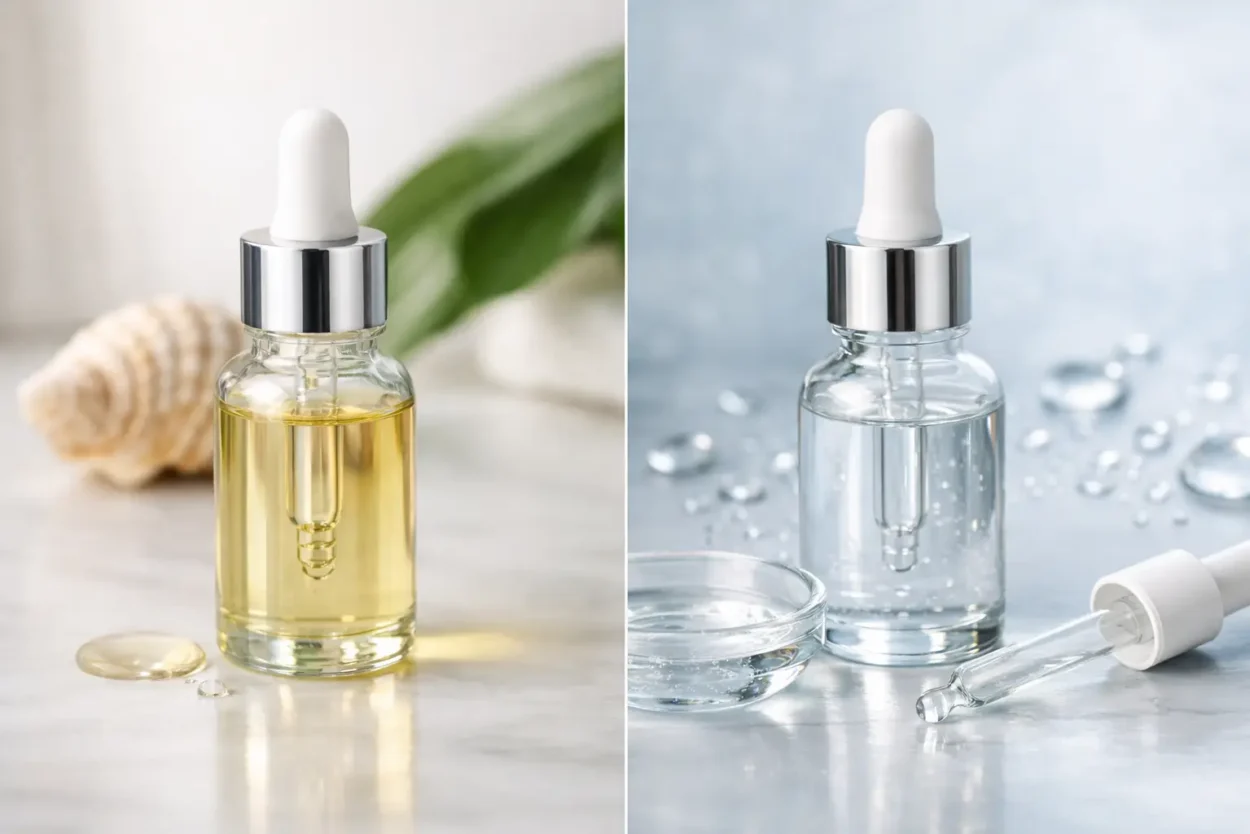
Squalane vs Hyaluronic Acid: Which to Use?
If your skin feels tight after cleansing but also gets shiny by noon, the squalane vs hyaluronic acid question is probably more relevant than it sounds. These two ingredients are both known for hydration, but they do very different jobs on the skin. One helps prevent moisture loss, while the other helps pull water into the skin. That difference matters when you’re trying to build a routine that actually feels better day to day.
A lot of skincare confusion starts because products are labeled with broad promises like hydrating, plumping, or moisturizing. Those words sound similar, but the ingredients behind them are not interchangeable. Squalane and hyaluronic acid can both make skin look healthier, yet they work in different ways and suit different skin needs.
Squalane vs hyaluronic acid: what is the difference?
The simplest way to think about it is this: hyaluronic acid is a humectant, and squalane is an emollient.
Hyaluronic acid helps attract and hold water. When applied correctly, it can make skin feel bouncier, fresher, and less dehydrated. It’s especially popular in serums because it gives that quick, hydrated look many people want.
Squalane is an oil-like ingredient that helps soften the skin and reduce moisture loss. It supports the skin barrier and leaves the skin feeling smoother and more comfortable. Even though it sounds heavy, squalane is usually lightweight and well tolerated by many skin types.
So if your skin lacks water, hyaluronic acid can help. If your skin struggles to keep moisture in, squalane can help. And if your skin does both, which is very common, using both may make the most sense.
What hyaluronic acid does best
Hyaluronic acid is best known for hydration. It binds to water and can help the surface of your skin feel more plump and less drawn out. This can be especially useful if your skin feels dull, tight, or dehydrated from dry weather, over-cleansing, indoor heating, or too many active ingredients.
For many people, hyaluronic acid works best when applied to slightly damp skin and followed with a moisturizer. That extra step matters. If you use a humectant without sealing it in, you may not get the comfortable, lasting hydration you’re hoping for.
This ingredient is often a good fit for oily, combination, and acne-prone skin because it gives hydration without feeling greasy. It also layers well under sunscreen and makeup, which is part of why it shows up in so many daily routines.
That said, hyaluronic acid is not always the miracle step it’s made out to be. In very dry environments, some people find that it does not feel as helpful on its own. If the rest of your routine is too light, your skin may still feel dry later in the day.
What squalane does best
Squalane shines when your skin needs softness, comfort, and barrier support. It helps smooth rough areas, reduces that papery feeling dry skin can get, and gives a more supple finish. If your skin feels stressed, flaky, or easily irritated, squalane can be a very welcome addition.
Unlike heavier facial oils, squalane is generally lightweight and less greasy than people expect. It can work well for dry skin, sensitive skin, and even some acne-prone skin types that want moisture without a thick finish.
Squalane is also simple to use. You can press a few drops over moisturizer, mix a drop into cream foundation, or apply it as the last step in your nighttime routine. It tends to pair well with many other ingredients because its main job is comfort and moisture retention, not exfoliation or resurfacing.
The trade-off is that squalane does not pull water into the skin the way hyaluronic acid does. If your skin is dehydrated and you only use squalane, you may get softness without that fresh, water-filled look. That’s why it often works best as part of a broader routine rather than as the only hydrating step.
Squalane vs hyaluronic acid for dry skin
If your skin is dry, the answer is often not either-or. Dry skin usually needs both water and oil support. Hyaluronic acid can help increase hydration, while squalane helps keep that hydration from escaping too quickly.
If you had to choose one, squalane may be the more immediately comforting option for truly dry skin because it helps relieve roughness and supports the barrier. But if your dryness also comes with tightness and dehydration, using hyaluronic acid underneath and squalane or moisturizer on top is usually the better move.
This is where product texture matters too. A thin hyaluronic acid serum can disappear fast, while a squalane-based product tends to leave more of a protective feel behind. Some people love that. Others prefer something lighter during the day and richer at night.
Which ingredient is better for oily or acne-prone skin?
Hyaluronic acid usually wins for oily skin because it hydrates without adding much weight. If you dislike the feeling of creams or oils, a simple hyaluronic acid serum under a gel moisturizer can feel easier to live with.
Still, oily skin can be dehydrated. In fact, over-washing and strong acne treatments often leave skin low on water but high in surface oil. In that case, hyaluronic acid helps, but a tiny amount of squalane may also improve comfort and reduce the urge to overproduce oil. The key is using a light hand.
For acne-prone skin, both ingredients are generally considered friendly options. But formulas matter more than buzzwords. A well-formulated squalane product may feel great, while a product loaded with fragrance or heavy extras may not. The same goes for hyaluronic acid serums that pill, sting, or dry down awkwardly.
Sensitive skin and damaged skin barriers
When your skin is irritated, over-exfoliated, or just feeling off, squalane often has the edge. It is simple, soothing, and barrier-focused, which makes it appealing when you want less drama in your routine.
Hyaluronic acid can still be useful for sensitive skin, but it depends on the formula and the condition of your skin. Some people with very reactive skin do fine with it. Others find certain hydrating serums sting when their barrier is compromised. If that sounds familiar, squalane or a basic moisturizer may feel easier until your skin settles down.
Can you use squalane and hyaluronic acid together?
Yes, and for many people, that’s the sweet spot.
Hyaluronic acid and squalane are not competitors in the strict sense. They play different roles, so they layer well together. A common order is hyaluronic acid first on slightly damp skin, then moisturizer, then squalane as the final step if you need extra softness or sealing power.
You do not always need all three steps, especially if your moisturizer already includes one or both ingredients. But if your skin gets dehydrated and dry at the same time, combining them can make a noticeable difference.
Morning and night routines can look different too. You might prefer hyaluronic acid in the morning for a lighter feel under sunscreen, then use squalane at night when you want more nourishment.
How to choose between them
Choose hyaluronic acid if your skin feels dehydrated, tight, dull, or oily-but-parched. It is usually the easier starting point if you want weightless hydration and simple layering.
Choose squalane if your skin feels rough, flaky, sensitive, or unable to stay comfortable for long. It is especially useful when your barrier needs support or your moisturizer never seems to be enough.
Choose both if your skin feels thirsty and dry, if you use retinoids or exfoliants, or if seasonal weather keeps throwing your routine off. A lot of skin concerns are not one-note, and your hydration strategy does not need to be either.
The bottom line on squalane vs hyaluronic acid
Squalane vs hyaluronic acid is not really about which ingredient is better overall. It’s about what your skin is missing. If you need water, hyaluronic acid is the better fit. If you need softness and moisture retention, squalane makes more sense. If your skin needs both, using both is often the smartest and easiest solution.
Good skincare gets simpler when you stop chasing the most talked-about ingredient and start paying attention to how your skin feels a few hours after application. That little check-in usually tells you more than the label ever will.